









For many anglers, muskie fishing is less a sport and more a passionate quest. Known as the “fish of 10,000 casts,” muskellunge (or “muskies”) are elusive, powerful, and can grow to impressive sizes. This feature article delves into the intricate art of muskie fishing by gathering insights from seasoned professionals who dedicate their lives to mastering this challenging pursuit.
The Muskie: An Icon of Freshwater Fishing
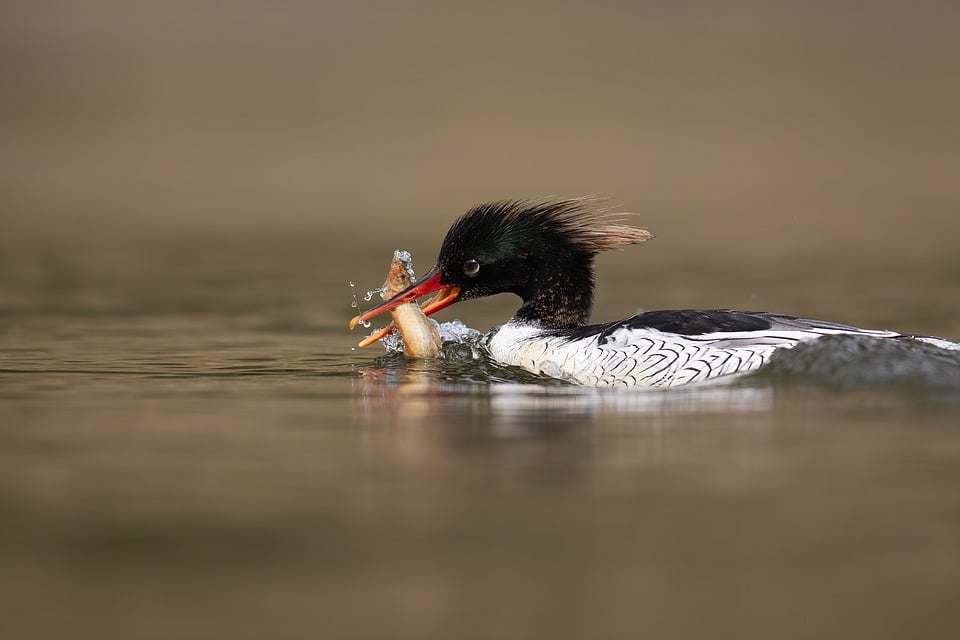
The muskellunge, native to North America, can be found in lakes and rivers across the Midwest and parts of Canada. These apex predators can grow over 50 inches long, and their mottled bodies are a sight to behold. Unlike more common species, muskie fishing often requires specialized techniques and gear, making it a unique experience.
Choosing the Right Gear
Rods and Reels
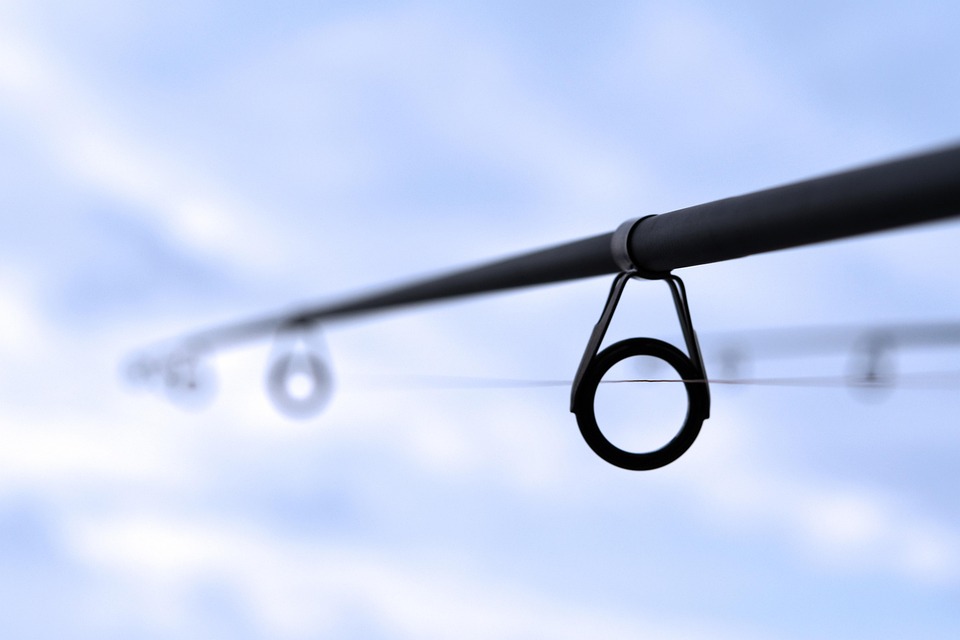
When it comes to muskie fishing, not just any rod and reel will do. Professionals suggest using a heavy-action rod, typically between 7 to 9 feet long, to cast heavy lures and provide the necessary control during a fight. A quality baitcasting reel with a strong drag system is essential, as muskies are known for their power and acrobatic displays.
Lines and Leaders
Choosing the right line can significantly impact your success. Most experts recommend braided lines in the 80-100 lb test range, providing the strength needed to handle large fish. Additionally, using a steel or titanium leader is crucial to withstand a muskie’s sharp teeth, helping prevent bite-offs.
Effective Lures and Baits
One of the most exciting factors of muskie fishing is the variety of lures available. From topwater baits to deep-diving crankbaits, professionals often have specific preferences based on conditions and personal experience.
Topwater Lures
Topwater lures, such as buzzbaits or surface plugs, are incredibly popular during the early morning and late evening. They create commotion on the surface, enticing muskies to strike. Pro angler and muskie guide, Mike Lazarus, emphasizes, “Nothing compares to the heart-stopping excitement of a muskie hitting a topwater lure.” The visual aspect elevates the experience, making every cast thrilling.
Jerkbaits and Crankbaits
Jerkbaits and crankbaits are must-haves for creating erratic movements that mimic injured prey. Fishing guide, Sarah Johnson, recommends using larger baits during the summer months when muskies have become reclusive due to warmer water. “In these situations, you need something big and bold to get their attention,” she advises.
Techniques from the Pros
Understanding Seasonal Patterns
Pro anglers emphasize the importance of understanding seasonal patterns when targeting muskies. Each season offers unique challenges and opportunities:
- Spring: Muskies are active and feeding aggressively post-spawn. Target shallow areas with warmer water.
- Summer: Fish deeper waters during the day and focus on shallow weeds or structure during dusk and dawn.
- Fall: Muskies feed heavily in preparation for winter. Look for them near baitfish and along migration routes.
- Winter: Ice fishing can be productive, but requires specific gear and techniques.
Presentation Techniques
The way you present your bait can make the difference between a caught fish and an empty hook. Pros commonly advise varying your retrieve speed, making abrupt pauses, and incorporating jerks to simulate an injured fish. Understanding when to change tactics is a crucial skill of any experienced angler.
The Importance of Patience and Persistence
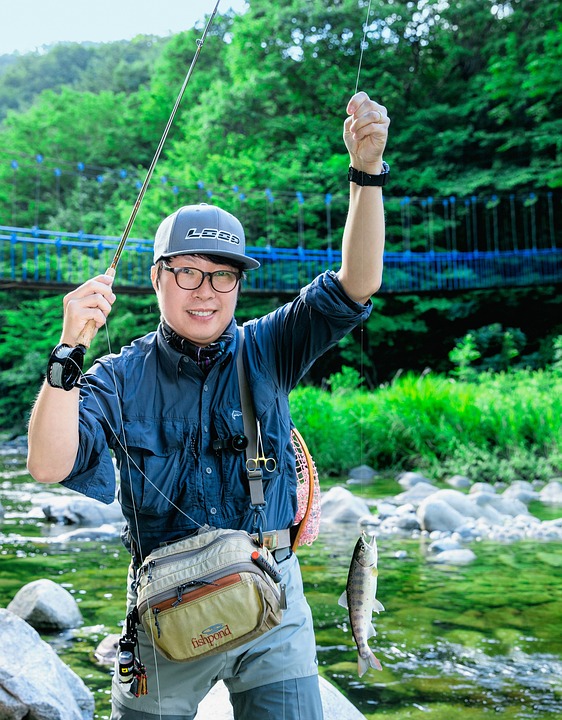
Fishing for muskies is not for the faint of heart; it demands patience and persistence. “Some days you can cast for hours without a bite, and that’s just part of the game,” shares veteran muskie angler John Robinson. The thrill of fishing for muskies lies not only in the catch but in the process itself. Many pros prioritize enjoying the experience, creating lasting memories over the thrill of the catch.
Conservation and Ethics
With the allure of muskie fishing comes the responsibility of conservation. The muskie population must be preserved for future generations to enjoy. Professional anglers advocate for careful catch-and-release practices to maintain healthy ecosystems. Some guiding services even offer educational sessions focused on responsible fishing techniques and environmental considerations.
Conclusion
Muskie fishing is an art that blends skill, knowledge, and an appreciation for nature. From the gear selection to understanding techniques and respecting the environment, professional anglers reveal the multifaceted approach required to successfully pursue this majestic fish. While the thrill of the chase is always in the balance, the camaraderie, patience, and respect for the environment elevate the experience, making it a cherished tradition for many anglers.
FAQs
What is the best time of year to fish for muskies?
The best times are typically spring and fall when muskies are actively feeding. However, tactics change with the season, and summer fishing can still be productive during specific times of day (early morning or late evening).
What type of lures work best for muskies?
Topwater lures, jerkbaits, and crankbaits are all effective. The choice often depends on the season and water conditions.
How do I handle a muskie once I catch one?
It’s essential to handle muskies with care, using wet hands to avoid damaging their slime coat. Remove hooks quickly, and if possible, use a net or cradle for a safe release.
Are there specific regulations for muskie fishing?
Yes, regulations vary by state and province, including size limits and catch-and-release policies. Check local guidelines before fishing.
- advanced predator fishing
- aggressive fish fishing
- barracuda fishing
- barracuda lure fishing
- freshwater predator fishing
- large predator fishing
- muskie fishing
- muskie lure fishing
- pike fishing
- pike lure fishing
- predator angling
- predator fishing
- predator fishing baits
- predator fishing destinations
- predator fishing for beginners
- predator fishing gear
- predator fishing guides
- predator fishing lures
- predator fishing reels
- predator fishing rigs
- predator fishing rods
- predator fishing seasons
- predator fishing spots
- predator fishing tactics
- predator fishing techniques
- predator fishing tips
- predatory fish fishing
- saltwater predator fishing
- zander fishing
- zander jigging









Leave a comment