














Fishing has long been a favored pastime for those looking to relax, bond with nature, and bring home a prized catch. While many anglers enjoy using lures and artificial bait, live bait presents a whole new level of fishing prowess. In this article, we will explore the intricate world of live bait fishing, offering tips and techniques to master this art.
The Allure of Live Bait
Live bait fishing is renowned for its effectiveness in attracting fish. The movement and scent of live bait can provoke even the most cautious fish into biting. Common live bait options include:
- Worms: Nightcrawlers and red wigglers are popular choices due to their availability and ability to entice various species.
- Minows: Used frequently for larger fish, they provide a natural food source that predatory fish cannot resist.
- Crawfish: Ideal for bass fishing, crawfish mimic the natural environment of many freshwater species.
- Insects: Grasshoppers and crickets can be particularly effective in summertime.
Understanding the Basics
Before diving into the mechanics of live bait fishing, it’s important to understand some foundational aspects:
Choosing the Right Equipment
Your tackle box should include:
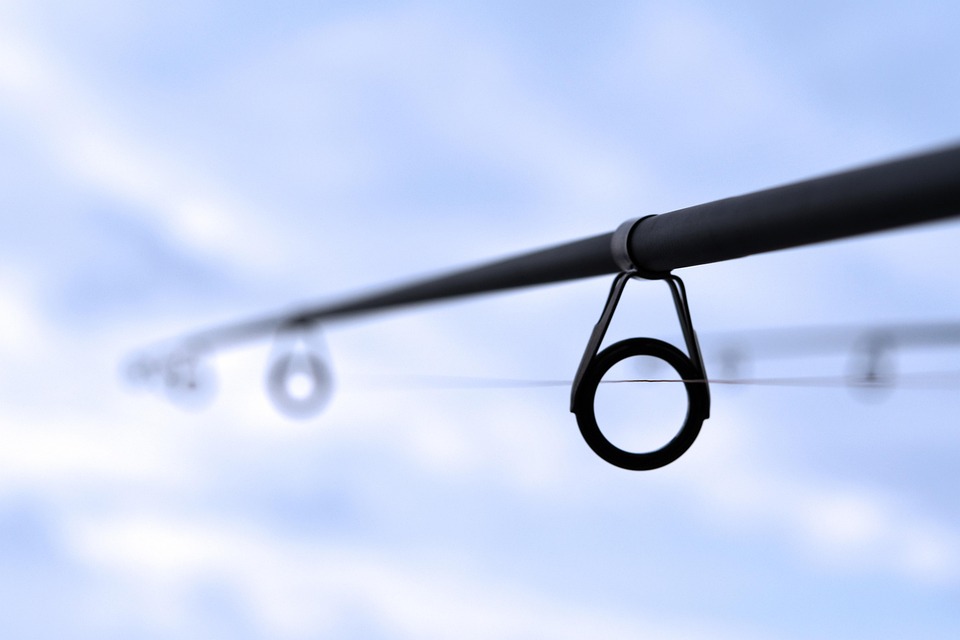
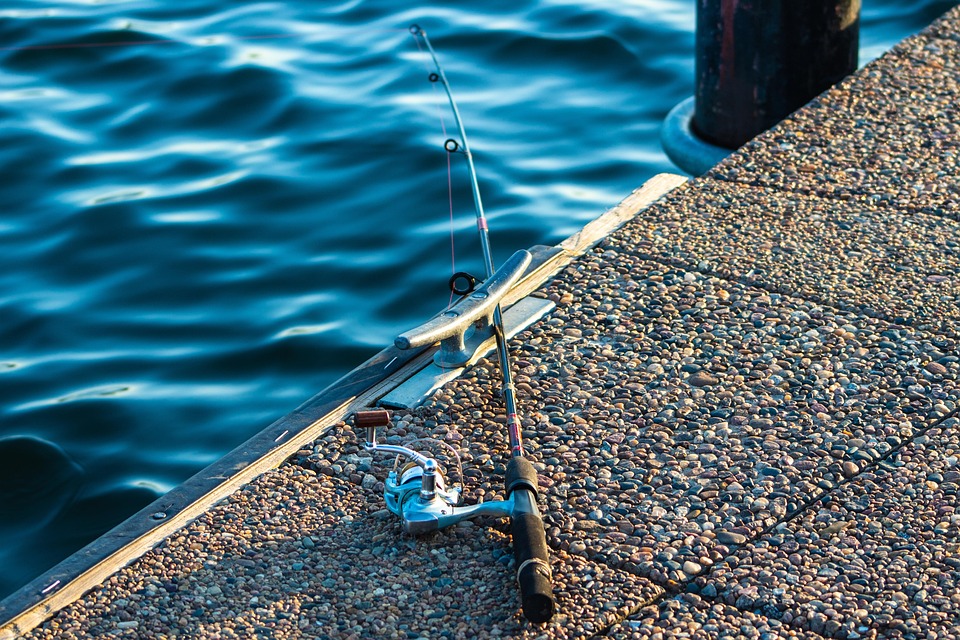
- Rod and Reel: Depending on the type of water and fish species, choose a rod that’s sensitive yet sturdy enough to handle the weight of the fish and bait.
- Hooks: Use the appropriate size hook for your bait; a smaller hook for worms and mid-size for minnows or crawfish.
- Sinkers: Depending on the fishing depth, sinkers help your bait settle in the strike zone.
Proper Rigging
How you rig your live bait can make a difference in attracting fish. Common methods include:
- Texas Rigging: A popular rigging technique for crawling creatures like worms.
- Drop Shot Rig: A method that allows the bait to hang freely off the weight, making it look even more enticing.
- Float Rig: This technique keeps the bait suspended in the water column, attracting fish from various depths.
When to Fish
Time of day and season can significantly affect your success. Early morning and late evening are generally considered prime times. Spring and fall see increased fish activity as conditions favor natural feeding habits.
Fishing Techniques with Live Bait
Understanding various fishing techniques can enhance your success rate:
Still Fishing
This passive technique involves casting your live bait and waiting for a fish to bite. Employ a weight to keep your bait at the desired depth. This method works particularly well in lakes and slower-moving rivers.
Drift Fishing
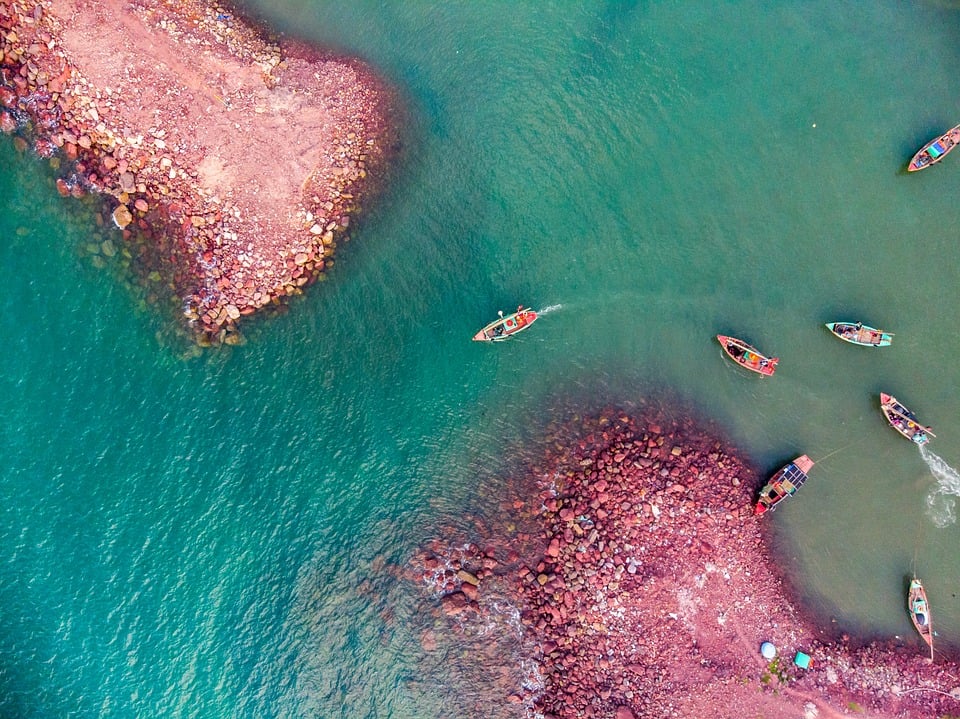
In this technique, allow your boat to drift with the current while your live bait trails behind. This mimics natural movement and can yield great results in both freshwater and saltwater conditions.
Trolling
Trolling involves pulling your bait behind a moving boat. This method is often used for larger species like pike and salmon. Ensure your bait maintains a natural swimming action.
Bait Maintenance
Properly caring for your live bait ensures optimal performance:
Storage
Keep your live bait in a cool, aerated environment. For worms, use moisture-retentive bedding; for minnows or crawfish, ensure their containers are aerated and kept at the right temperature.
Handling
Be gentle when handling your bait; overly rough handling can diminish their movement quality or even cause injury. Minimize time out of water for fish and keep worms damp.
Ethical Fishing Practices
As anglers, it is our responsibility to treat fish and the environment with respect. Follow local regulations regarding bait, season, and sustainable fishing practices.
Catch and release practices not only contribute to the sustainability of fish populations but can also provide future opportunities for anglers.
Conclusion
Mastering the art of live bait fishing can significantly increase your chances of landing that coveted catch. With the right gear, techniques, and ethical practices, you can enjoy fruitful fishing excursions while also respecting the ecosystems you engage with. Embrace the challenge, refine your skills, and most importantly, savor the experience: a day spent fishing is often a day well spent.
FAQs
What is the best time to use live bait?
Early mornings and late evenings are typically the best times to use live bait. Fish are more active during these periods, increasing your chances of a successful catch.
Can I use frozen bait instead of live bait?
While frozen bait can be effective, it generally does not attract fish as well as live bait due to the lack of movement and scent. However, certain species may still respond to frozen options.
How do I keep minnows alive while fishing?
To keep minnows alive, store them in a well-aerated container with fresh water, preferably at cooler temperatures. Frequent water changes and providing a suitable aerator helps prolong their life.
Do I need a fishing license for live bait fishing?
Yes, a fishing license is typically required for any fishing activity, including live bait fishing. Be sure to check local regulations for specific licensing requirements.
What types of fish are best caught with live bait?
Many species can be successfully caught with live bait, including bass, catfish, pike, trout, and walleye. Each species may respond better to different types of live bait, so do your research accordingly.
- advanced fishing techniques
- artificial bait fishing
- bait fishing
- boat fishing methods
- casting fishing
- deep sea fishing techniques
- drift fishing
- fishing knots techniques
- fishing methods
- fishing methods for beginners
- fishing rigs methods
- fishing strategy tips
- fishing techniques
- fly fishing techniques
- freshwater fishing techniques
- inshore trolling
- jigging fishing
- live bait fishing
- lure fishing methods
- modern fishing techniques
- offshore trolling
- popping fishing
- professional fishing methods
- saltwater fishing techniques
- shore fishing methods
- slow jigging
- spinning fishing
- topwater popping
- trolling fishing
- vertical jigging














Leave a comment