
















Perch fishing is a rewarding endeavor for both novice and experienced anglers alike. Known for their vibrant colors and meaty fillets, perch are among the most sought-after freshwater fish in North America and beyond. But to ensure an enjoyable and fruitful fishing experience, knowing where to cast your line is just as important as the bait you choose. In this article, we delve into some of the best perch fishing hotspots, tips for locating them, and tackle some frequently asked questions.
The Allure of Perch Fishing
Perch are typically found in freshwater lakes, rivers, and coastal areas, characterized by their distinctive yellow and black stripes. They are most commonly found in two species: the Yellow Perch and the European Perch. Both species can be found in abundant numbers, making them a popular target for fishing enthusiasts.
One attractive aspect of perch fishing is their availability year-round. Whether you’re fishing through the ice in winter or casting from a boat in summer, the thrill of landing a perch offers an exhilarating experience. The flavor and texture of perch also make them a favorite among chefs, adding culinary appeal to the sport.
Finding Hotspots: Factors that Attract Perch
Understanding where to find perch involves considering various environmental factors. Here are some criteria that can lead you to successful fishing hotspots:
1. Structure and Cover
Perch like to inhabit areas where they can find cover. Look for submerged vegetation, rocks, or fallen trees. These structures can provide both shelter from predators and a hunting ground for smaller fish that perch feed on.
2. Depth Changes
Perch are often found in deeper waters, particularly in the summer months. Look for drop-offs and ledges in lakes, which can create ideal spots for perch to congregate. Additionally, during spring and fall, they tend to move to shallower waters for spawning and feeding.
3. Water Temperature
Perch prefer water temperatures between 65°F and 75°F (18°C to 24°C). During summer, they will often seek cooler waters, while they may congregate in warmer shallows during the spring and fall. Keeping an eye on temperature trends can give you a significant advantage when planning your fishing trip.
4. Seasonal Trends
Understanding seasonal movements of perch can greatly enhance your fishing success. During the spring, they typically spawn, moving close to the shore. Similarly, during the fall, they often gather in large schools as they prep for winter. Knowing these patterns can allow you to capitalize on their movements.
Top Perch Fishing Hotspots in North America
Based on various surveys, expert recommendations, and angler experiences, here are some of the most renowned perch fishing hotspots across North America:
1. Lake Erie, Ohio/Pennsylvania
Lake Erie is often considered one of the top destinations for perch fishing. The lake boasts a healthy population of both Yellow and White Perch. The best spots include the western basin, particularly around the islands where reefs and weeds provide ample cover.
2. Saginaw Bay, Michigan
Saginaw Bay is a hotspot for anglers seeking quality perch fishing. The extensive weed beds and bay’s shallow waters create ideal habitats for perch. Charter boat services are available, which can provide local expertise to enhance your chances of a successful trip.
3. Chesapeake Bay, Maryland/Virginia
Chesapeake Bay offers a unique coastal environment where perch are abundant. The structure-rich ecosystem consisting of underwater grasses, rocks, and piers creates a perfect setting for anglers. The fall months are particularly fruitful as schools of perch gather before winter.
4. Lake Ontario, New York
Known for its diverse fish population, Lake Ontario is also a great place to fish for perch. Certain bays and river mouths are especially hotspots during the late spring and fall. Fishing near harbors or river mouths can yield excellent results.
5. Minnesota’s Lakes
The Land of 10,000 Lakes, Minnesota, has numerous places where perch thrive. Lakes like Mille Lacs and Rainy Lake are particularly famous among anglers. Ice fishing during the winter attracts many enthusiasts to venture onto the frozen lakes in search of perch.
Best Practices for Successful Perch Fishing
Success in perch fishing goes beyond simply knowing where to fish; it also involves mastering techniques and strategies:
1. Choose the Right Bait
Live bait, like minnows or worms, often proves to be the most effective in attracting perch. However, jigs and soft plastics can also be successful. It’s advisable to experiment with various baits to see what works best for the specific body of water you’re fishing in.
2. Fishing Gear and Tackle
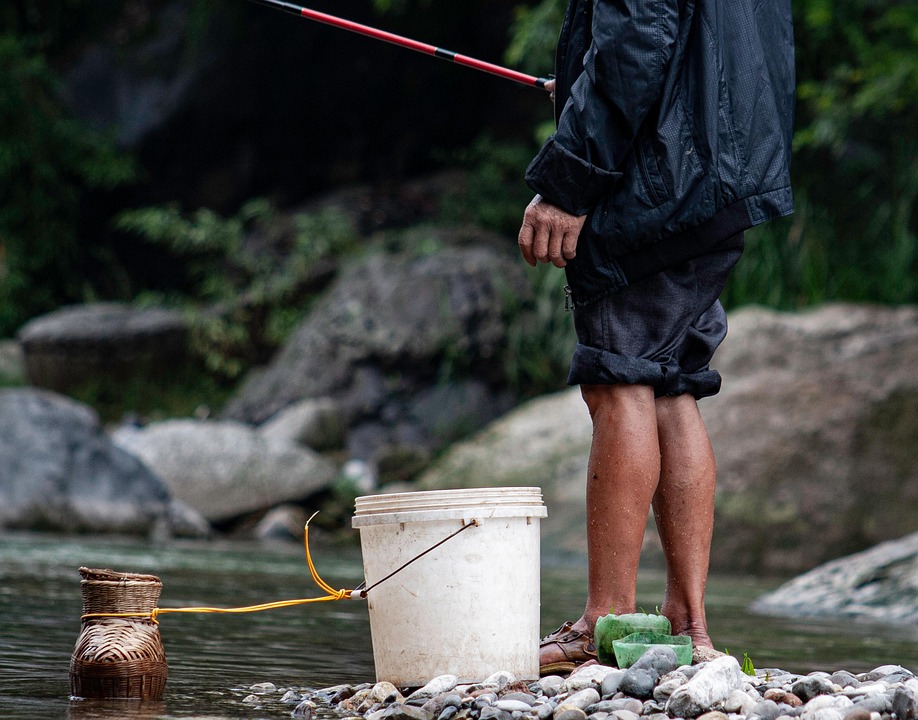
Light tackle is recommended when targeting perch. A medium-light spinning rod paired with a 4-6 lb test line can provide the perfect balance of sensitivity and strength. Small hooks (size 6-10) are ideal for perch, especially when using live bait or jigs.
3. Be Patient and Observant
Patience is a virtue in fishing. Look for signs of fish activity, such as jumping baitfish or birds diving into the water. If you’re not getting bites after a period, don’t hesitate to move to a different spot until you find where the fish are biting.
4. Follow Local Regulations
Adherence to local fishing regulations is crucial for the sustainability of fish populations. Always check for size limits and seasonal restrictions to ensure responsible angling practices.
Conclusion
Perch fishing offers not just a fun way to connect with nature but also a chance to catch a delicious meal. Identifying the right hotspots and understanding the behavior of perch is key to a successful outing. Whether you’re fishing from a boat, wading in the shallows, or braving the winter ice, the thrill of the catch is well worth the effort. With these locations and strategies, dedicated anglers are sure to find success in their perch fishing endeavors.
Frequently Asked Questions (FAQs)
1. What is the best time of year to catch perch?
The best times are typically spring and fall when perch are most active and congregate in large schools. They move to shallow waters for spawning in spring and gather before winter in fall.
2. What bait is most effective for catching perch?
Live bait such as minnows, worms, and nightcrawlers works best. Artificial lures like jigs and soft plastics can also be effective. Experiment with different options in various conditions.
3. How deep should I fish for perch?
Perch usually inhabit depths ranging from shallow waters (3-10 feet) during spring to deeper waters (10-30 feet) during the summer, depending on water temperatures.
4. Are there size limits for perch fishing?
Yes, size limits can vary by state or locality. Always check local regulations before fishing to ensure compliance and promote sustainable practices.
5. Can I catch perch during the winter?
Absolutely! Ice fishing for perch can be very rewarding. Look for them under the ice in shallow waters or near structure and be prepared with the right gear for cold conditions.
- bass fishing
- Bluegill Fishing
- carp fishing
- catfish fishing
- Crappie Fishing
- freshwater angling
- freshwater bait fishing
- freshwater fishing
- freshwater fishing gear
- freshwater fishing guides
- freshwater fishing species
- freshwater fishing techniques
- freshwater fishing tips
- freshwater fly fishing
- freshwater spinning fishing
- inland fishing
- lake fishing
- lakes fishing
- largemouth bass fishing
- muskie fishing
- panfish fishing
- Perch Fishing
- pike fishing
- pond fishing
- reservoir fishing
- reservoirs fishing
- river fishing
- rivers fishing
- Salmon Fishing
- smallmouth bass fishing
- stream fishing
- Tilapia Fishing
- Trout Fishing
- Walleye Fishing











Leave a comment