







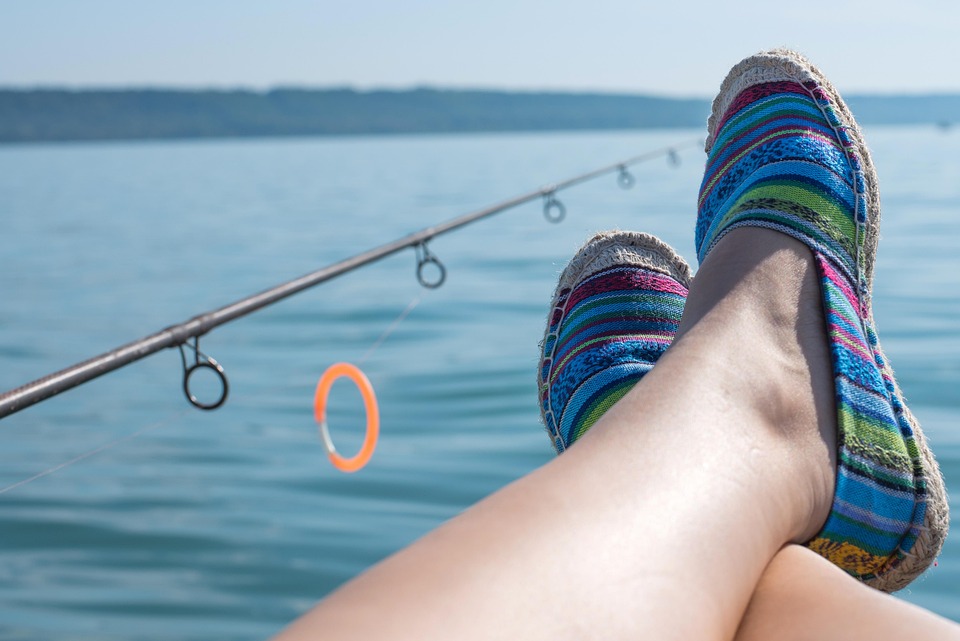


Saltwater fishing presents unique challenges and rewards that attract anglers of all levels. From the surfcasting on coastline to deep-sea excursions, the techniques and strategies employed determine not only success but also enjoyment. This article unpacks essential techniques every saltwater angler should know, guiding you from the shore into deep waters.
1. Understanding Saltwater Fish Species
Dive into the world of saltwater fishing by familiarizing yourself with various fish species. Knowledge of the specific behaviors, habitats, and seasonal patterns can greatly affect your fishing success.
Popular Saltwater Species
- Striped Bass: Known for their powerful fights, these fish can inhabit both freshwater and salt environments.
- Snapper: Found in reefs, snappers are favored for their delicious taste.
- Tuna: These fast swimmers are sought after for their size and sport.
- Sharks: While some species are intimidating, anglers appreciate the thrill they bring to fishing.
2. Gear Up: Selecting the Right Equipment
Choosing the right gear ensures you have the best chance of landing a big catch. From rods and reels to bait and tackle, here’s what you need.
Rods and Reels
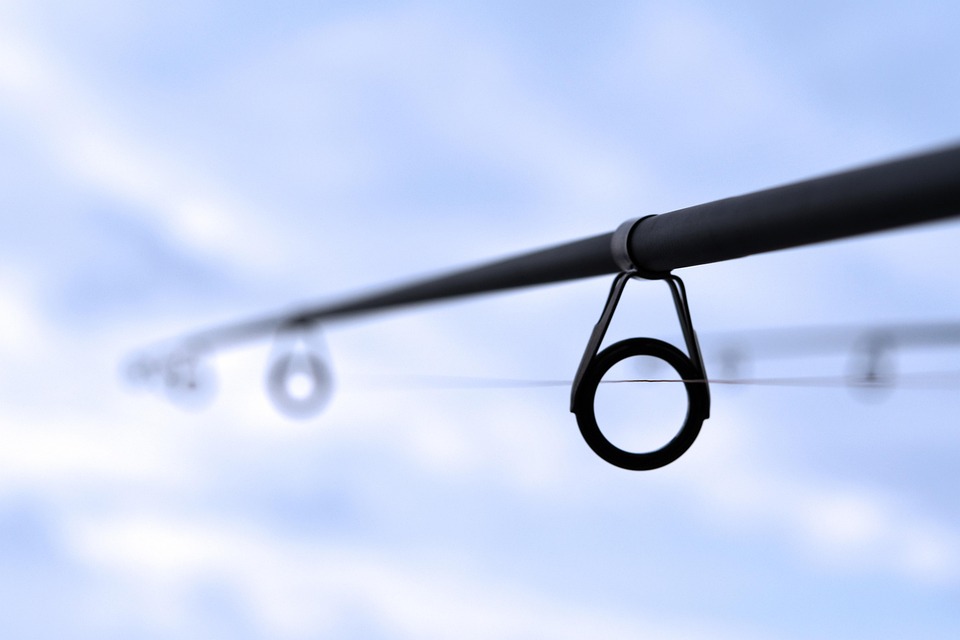
A sturdy rod and a reliable reel are essential. Beach fishing typically requires longer rods (9-12 feet) while boat fishing can be done with shorter rods (6-8 feet). Spinning reels are versatile, but baitcasting reels provide greater control when targeting larger fish.
Bait and Lures
Understanding which bait to use is crucial. Live bait like shrimp or finger mullet is effective for many species. Lures like jigs, spoons, and swimbaits can also yield excellent results when fished correctly.
Tackle and Terminal Gear
Use appropriate terminal tackle based on your target species and fishing environment. Shock leaders can prevent line breakage when fishing near rough structures.
3. Mastering Fishing Techniques
From casting to retrieval, mastering technique can catapult an angler from novice to expert. Here are essential fishing techniques to hone.
Surf Fishing
Surf fishing involves casting lines from the shore into the ocean. Understanding tides, wave patterns, and structure (like sandbars) can significantly improve your success rate. Casting beyond the breakers often yields the best results.
Bottom Fishing
This technique involves dropping bait to the seafloor and waiting for fish to bite. Use heavier weights to counteract currents, and be prepared for a fun struggle when reeling in your catch.
Fly Fishing
While traditionally associated with freshwater, saltwater fly fishing has gained popularity. Target species like bonefish or tarpon require specialized gear and a strong understanding of casting techniques.
Drift Fishing
Drifting involves allowing your boat to move with the current while your line is in the water. This technique mimics the natural movement of prey, increasing your chances of catch.
4. Reading the Water
Being able to read the water informs an angler’s strategy. Fish are likely to congregate where the water conditions are favorable. Look for features such as:
- Sandbars: They create an ideal habitat for various species.
- Drop-offs: Fish congregate at the edges to ambush smaller prey.
- Current Lines: These areas often attract fish due to the concentration of bait.
5. Adapting to Weather Conditions
Weather significantly impacts fishing success. Bright sunny days might cause fish to go deeper, while overcast weather often makes fish more active near the surface.
Wind and Waves
Wind can create challenging conditions for casting but also stirs up food sources. Fishing during slight wind can increase your chances of a good catch.
Temperature and Tides
Understanding the relationship between water temperature and fish behavior can offer competitive advantages. Fish tend to feed more aggressively during tidal movement, with high tide often providing better opportunities.
6. Conservation Practices
As a saltwater angler, practicing responsible fishing is not just a personal choice; it’s a collective responsibility. The following conservation practices help protect marine ecosystems:
- Catch and Release: Utilize proper techniques to safely release fish back into the water.
- Limit Your Catch: Adhere to local regulations regarding fish limits.
- Avoid Overfishing: Be mindful of fishing in overfished areas and share insights on responsible practices with other anglers.
Conclusion
Saltwater fishing is as much about the techniques as it is about the adventure. By mastering the essential skills—from understanding your gear to reading the water and respecting the ecosystems—you’ll not only improve your chances of landing a big catch but also enrich your experience as an angler. As you journey from shore to sea, remember that each outing is an opportunity to learn, connect with nature, and enjoy the camaraderie with fellow fishing enthusiasts.
FAQs
What is the best time of year for saltwater fishing?
The best time depends on the species you’re targeting. Generally, spring and fall see increased activity, but summer is also great for certain species approaching the shore.
Do I need a fishing license for saltwater fishing?
Yes, a fishing license is typically required for saltwater fishing. Ensure you check local regulations to comply with all legal requirements.
What safety gear should I bring on a saltwater fishing trip?
Always bring life jackets, sunscreen, a first-aid kit, and enough water. Safety should always be a priority while fishing.
How can I preserve my catch?
Fish can be preserved by quickly gutting and cleaning them, followed by either ice storage or immediate cooking. Ensure you are aware of the best preservation methods for the species you catch.
- advanced fishing techniques
- artificial bait fishing
- bait fishing
- boat fishing methods
- casting fishing
- deep sea fishing techniques
- drift fishing
- fishing knots techniques
- fishing methods
- fishing methods for beginners
- fishing rigs methods
- fishing strategy tips
- fishing techniques
- fly fishing techniques
- freshwater fishing techniques
- inshore trolling
- jigging fishing
- live bait fishing
- lure fishing methods
- modern fishing techniques
- offshore trolling
- popping fishing
- professional fishing methods
- saltwater fishing techniques
- shore fishing methods
- slow jigging
- spinning fishing
- topwater popping
- trolling fishing
- vertical jigging












Leave a comment