








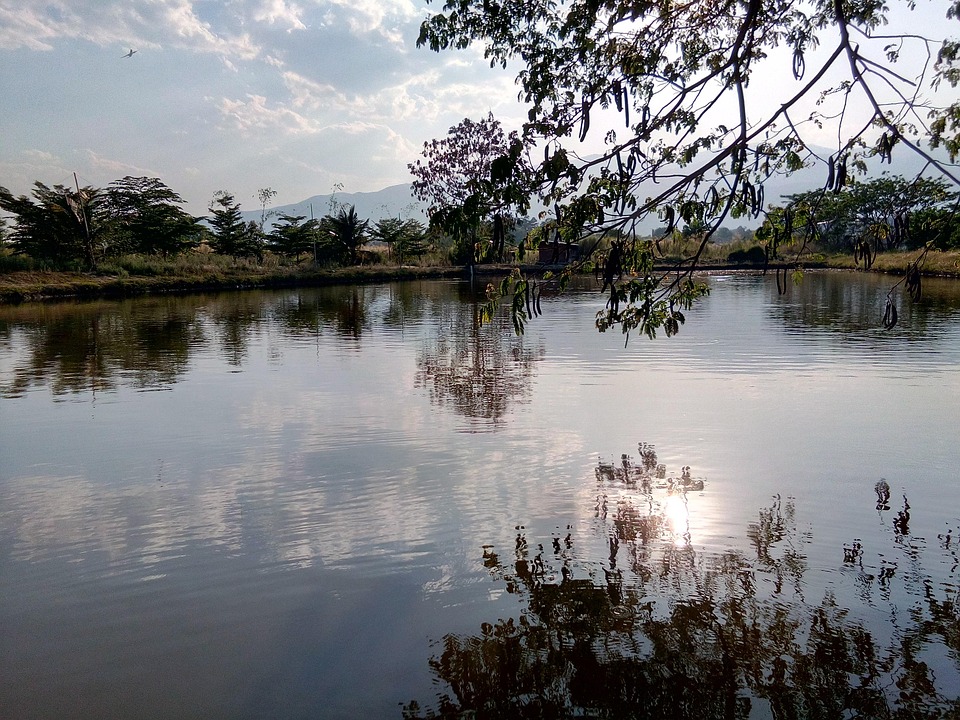
Freshwater fishing can be a delightful and fulfilling experience, combining the serenity of nature with the excitement of the catch. For new anglers, the sport may initially seem daunting, filled with technical jargon, an array of equipment, and an overwhelming amount of information. However, with the right guidance and a little practice, anyone can enjoy this rewarding pastime. Here, we outline essential tips for first-timers eager to cast off their fishing lines.
Understanding Local Regulations
Before you grab your gear and head out, it’s critical to familiarize yourself with local fishing regulations. Each area has different rules regarding:
- Permits: Some regions require fishing licenses, while others may have specific permits for the type of fish you intend to catch.
- Seasons: Many waters are regulated to protect fish populations during their spawning periods, so it’s important to know open seasons.
- Limits: There are often specific limits on the number of fish you can catch, as well as size restrictions.
Check with local wildlife agencies or online resources to ensure you adhere to regulations and practice responsible fishing.
Choosing the Right Gear
Your fishing experience heavily relies on the equipment you use. As a beginner, it’s important to invest in a basic yet effective setup:
Rod and Reel
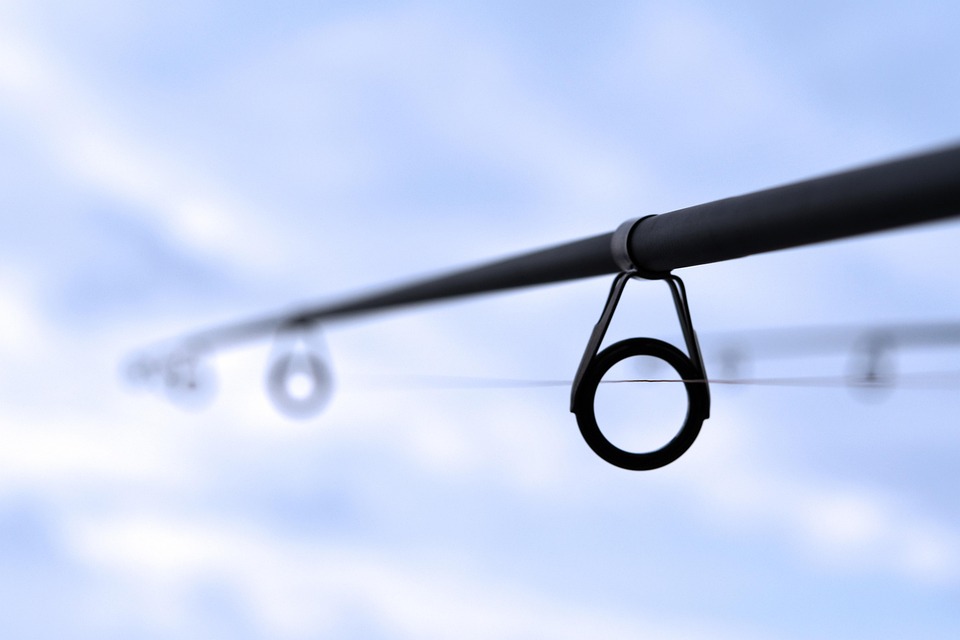
Choose a medium-light spinning rod, typically between 6 to 7 feet long. This provides a good balance of flexibility and strength. Pair it with a spinning reel that has a smooth drag system, enabling you to manage smaller fish effectively.
Line and Tackle
Select a monofilament line with a test weight of around 6-10 pounds. This will be versatile enough for various freshwater species. Your tackle box should include:
- Hooks: A variety of hooks in different sizes (e.g., #6 to #10).
- Weights: Split shot or egg sinkers to help your bait sink.
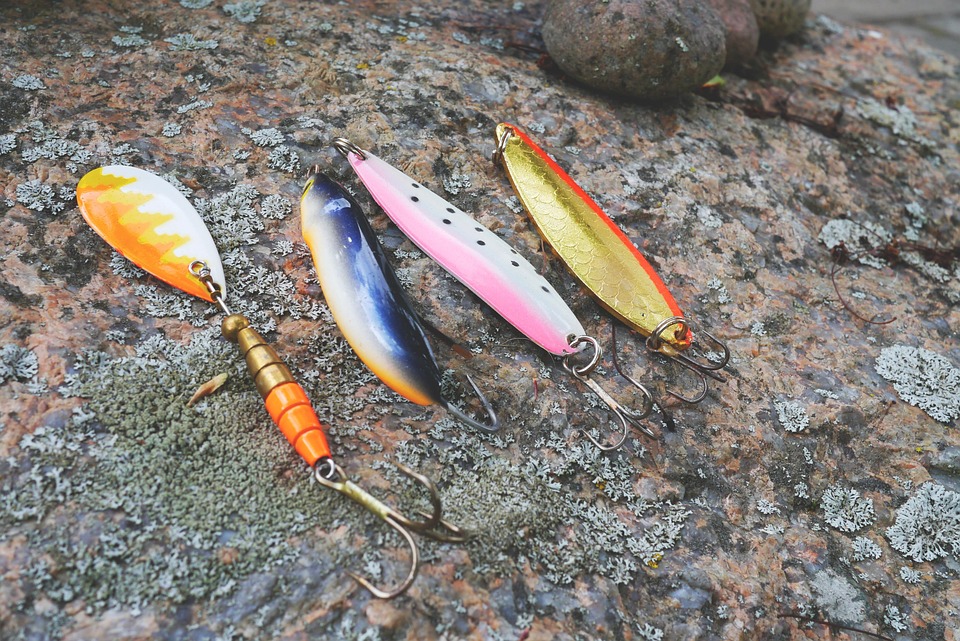
- Baits: Live bait (e.g., worms), dead baits, or lures, depending on your preference.
Safety Gear
Don’t forget about personal safety! Life jackets, sunscreen, insect repellent, and a first aid kit are essential items for a successful fishing trip.
Mastering Basic Techniques
Once you’re equipped, the next step is mastering the basic techniques necessary for fishing. A few fundamental skills will set you up for success:
Casting
Casting is the art of getting your bait into the water. Here’s a step-by-step guide:
- Hold the rod with both hands, using your dominant hand at the bottom and your other hand higher up.
- Open the bail on your spinning reel to let the line spool out freely.
- Bring the rod back behind you, angling it upwards before swinging it forward.
- As you swing forward, release the line with your finger to set your bait free.
Practice casting in an open area before heading out to the water. Aim for accuracy rather than distance initially.
Reeling In
Once you detect a bite, the method of reeling in is crucial:
- Keep tension on the line and begin reeling in steadily.
- Use the rod to lift the fish, keeping the line taut without jerking.
- Be patient; let the fish tire out before bringing it to shore.
Reading the Water
Understanding where fish are likely hiding is a skill that comes with experience. Look for:
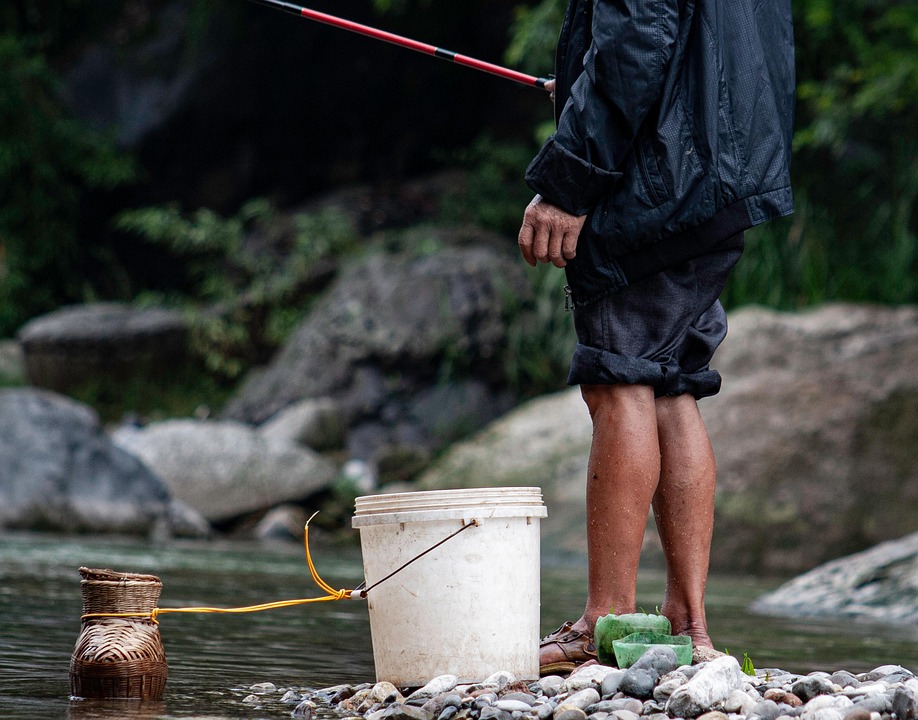
- Structures: Rocks, fallen trees, and underwater ledges are often home to fish.
- Shaded Areas: Fish seek shelter from the sun under overhangs or floating vegetation.
- Flow Ranges: In rivers, fish often congregate where the current slows down.
Spending time just observing the water and its currents can greatly increase your fishing success rate.
Being Patient and Respectful
Fishing isn’t just about catching fish; it’s about enjoying the experience. Here’s how to cultivate a patient and respectful mindset:
- Expectation Management: Not every trip will result in a catch. Embrace the journey and the serenity of nature.
- Leave No Trace: Respect nature by cleaning up after yourself and not disturbing the environment.
- Practice Ethical Fishing: Use catch and release tactics where necessary to conserve fish populations.
Conclusion
As a new freshwater angler, the right preparation, gear, and mindset will enhance your experience on the water. The skills mentioned here form a solid foundation for your fishing journey. Remember that fishing is as much about the journey as it is about the catch. Each outing presents a learning opportunity and an occasion to connect with nature. With patience and practice, you’ll find yourself mastering the art of fishing and perhaps even passing on the joy to others in the future. Tight lines and happy fishing!
FAQs
1. Do I need a fishing license to fish in freshwater?
Yes, most regions require a fishing license. Check with local authorities to understand the regulations and get your license before you go.
2. What’s the best time of day to go fishing?
Early mornings and late afternoons are generally the best times, as fish are more active during these periods.
3. How do I know what bait to use?
Your choice of bait depends on the type of fish you are trying to catch. Research local species habits, as some prefer live bait while others may go for lures.
4. What should I do if I catch a fish?
Handle the fish gently, wetting your hands to avoid removing its protective slime. If you plan to release it, do so safely, ensuring minimal stress on the fish.
5. Can I fish from the shore or do I need a boat?
You can fish effectively from the shore. Many freshwater fishing spots are accessible without a boat, making it perfect for beginners.
- beginner bass fishing
- beginner carp fishing
- beginner catfish fishing
- beginner fishing advice
- beginner fishing baits
- beginner fishing gear
- beginner fishing guides
- beginner fishing guides online
- beginner fishing knots
- beginner fishing lures
- beginner fishing mistakes
- beginner fishing reels
- beginner fishing rods
- beginner fishing strategies
- beginner fishing techniques
- beginner fishing tips
- beginner fishing trips
- beginner fishing tutorials
- beginner fishing videos
- beginner fly fishing
- beginner freshwater fishing
- beginner muskie fishing
- beginner panfish fishing
- beginner pike fishing
- beginner saltwater fishing
- beginner trout fishing
- fishing basics
- fishing for beginners
- how to fish
- new anglers tips









Leave a comment