











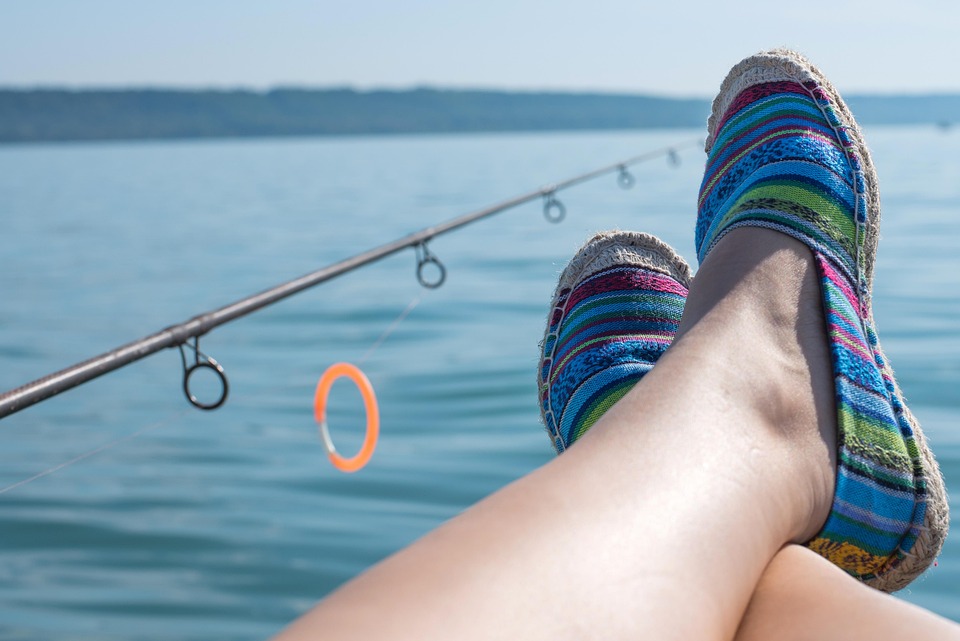


Fishing is more than just a pastime; it’s a deep-rooted tradition that connects us to nature and to one another. Whether you’re looking to escape the hustle and bustle of modern life, enjoy the tranquility of a lake, or bond with family and friends, fishing offers the ideal setting. However, for beginners, diving into the world of fishing can be intimidating. In this comprehensive guide, we unravel the essentials of fishing, ensuring you have all the tools you need to reel in success.
Understanding the Basics of Fishing
At its core, fishing involves catching fish for food, sport, or enjoyment. However, successful fishing combines skill, knowledge, and patience. Here are some basic concepts that will set the foundation for your fishing journey:
- Types of Fishing: Freshwater, saltwater, fly-fishing, ice fishing, and deep-sea fishing are some common types you might explore. Each requires different techniques and equipment.
- Fish Species: Different fish species inhabit various environments. Knowing the fish you want to catch—trout in freshwater, tuna in saltwater, etc.—will guide your fishing strategy.
- Seasons: Fish behavior changes with the seasons, affecting their feeding and movements. Understanding these patterns is key to successful fishing.
Essential Fishing Gear for Beginners
Investing in the right gear is crucial for a successful fishing experience. Here’s a breakdown of essential tools and gear that every beginner should consider:
1. Fishing Rod and Reel
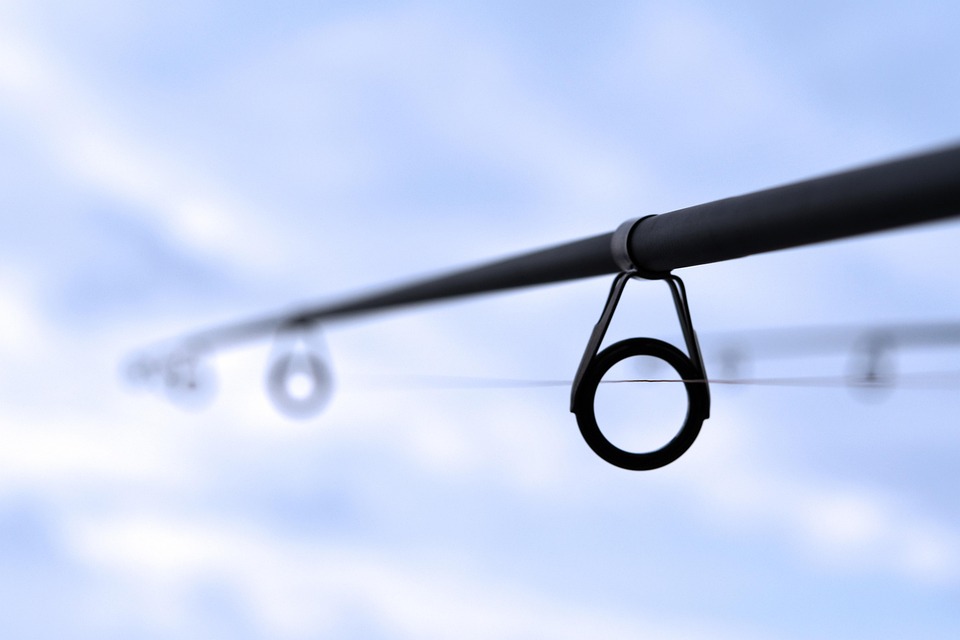
The rod is your fishing pole, and the reel is the mechanism that holds and releases your line. For beginners, a versatile spinning rod and reel combo is recommended due to its ease of use.
2. Fishing Line
Your fishing line connects you to the fish. Monofilament lines are popular among beginners for their versatility and ease of handling. A test strength between 8-12 pounds is ideal for catching smaller species.
3. Hooks
Hooks come in various sizes and styles. It’s best to start with a kit that contains assorted hooks suitable for the types of fish you’ll target.
4. Bait and Lures
Natural baits like worms, minnows, or insects work effectively for many species. Alternatively, lures are artificial baits designed to mimic fish movement and attract predatory fish.
5. Tackle Box
A tackle box helps organize and protect your tools and bait. Ensure it’s spacious enough for your gear while being easy to carry.
6. Additional Gear
- Fishing License: Check local regulations and obtain a fishing license if required.
- Comfortable Clothing: Weather-appropriate attire and sturdy footwear can make a big difference.
- Safety Gear: A first-aid kit, sunscreen, sunglasses, and a hat will keep you safe and comfortable while on the water.
Learning Fishing Techniques
With your gear ready, it’s time to learn various fishing techniques. Here are some essential methods that beginners should master:
1. Casting
Casting is the fundamental technique of fishing. Proper execution allows you to present your bait or lure at a desirable location. Practice the following steps:
- Hold the rod with one hand, ensuring your thumb is positioned near the reel.
- Release the fishing line while casting to prevent tangling.
- Lift the rod and flick it forward, allowing the line to cast out.
- Practice often until you develop accuracy and distance.
2. Retrieving
After casting, the retrieval process involves reeling in the line. Techniques vary based on the bait type:
- Slow retrieve: Ideal for live bait.
- Fast retrieve: Suitable for lures, creating erratic movement to attract fish.
3. Hook Setting
When a fish bites, you must set the hook quickly to secure the catch. A swift upward motion of the rod will embed the hook firmly in the fish’s mouth. Timing is crucial—too soon or too late can result in losing the fish.
When and Where to Fish
The success of your fishing endeavors depends significantly on selecting the right time and place. Consider the following:
1. Time of Day
Fish are often most active during dawn and dusk. Early morning and late afternoon provide optimal times for fishing, as they align with fish feeding patterns.
2. Weather Conditions
Overcast days can lead to excellent fishing as fish swim actively to feed. Conversely, sunny days may drive fish deeper into cooler water.
3. Locations
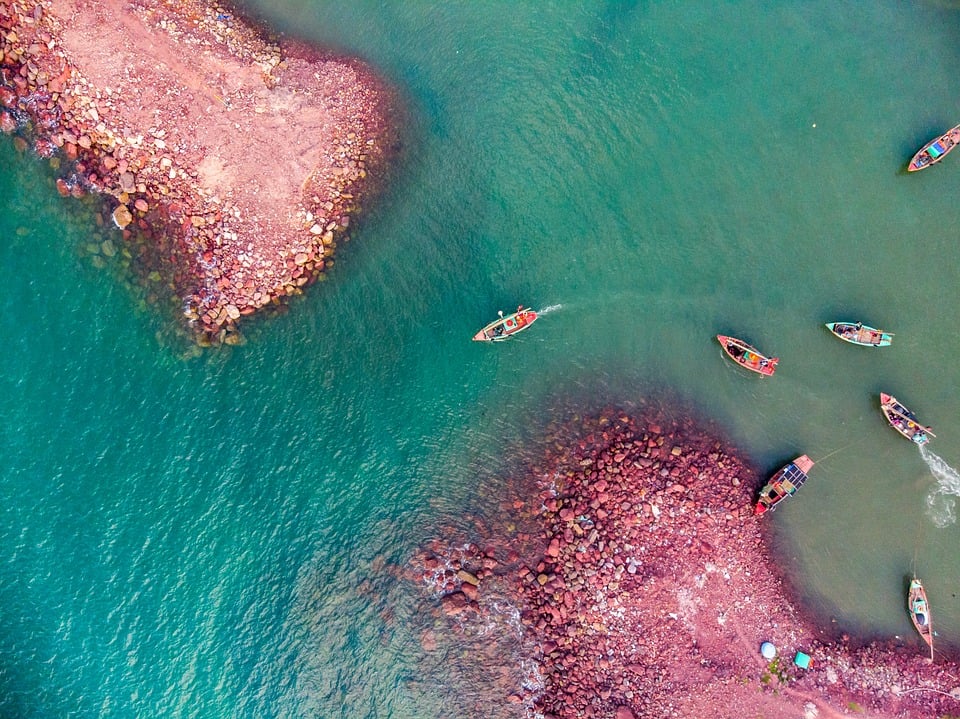
Local lakes, rivers, and even ponds are excellent starting points for beginners. Research hotspots online or consult local bait shops for recommendations on where to find fish.
Practice Conservation
As a budding angler, it’s crucial to respect nature and practice conservation. Here are ways you can help:
- Catch and Release: If not consuming your catch, release fish carefully to preserve local populations.
- Respect Locations: Honor local fishing rules and regulations to protect the environment.
- Report Violations: If you observe any harmful practices in your fishing area, report them to authorities.
Conclusion
Fishing is a rewarding activity that offers both relaxation and excitement. As a beginner, understanding the fundamentals can significantly enhance your experience on the water. Equip yourself with the right gear, learn essential techniques, and remember to practice patience. The joy of reeling in your first catch will be a memory you’ll cherish for life. With this guide as your foundation, you’re ready to embark on your fishing journey. Embrace the adventure, respect nature, and reel in success!
FAQs
What do I need to start fishing?
To start fishing, you need basic gear such as a fishing rod and reel, fishing line, hooks, bait, and a tackle box. Additionally, ensure you have a fishing license if required in your area.
Can I fish without a license?
In most places, a fishing license is required to fish legally. Check local regulations to ensure you’re compliant.
What is the best time of year to fish?
Spring and early summer are typically considered the best times for fishing, as many fish species are spawning and actively feeding. However, your fishing success can vary based on location and fish species.
How can I improve my fishing skills?
Improving your fishing skills involves practicing regularly, experimenting with different techniques, and learning from experienced anglers. Online resources, fishing books, and local classes can also enhance your knowledge.
What is `catch and release` fishing?
Catch and release is a practice where fish are caught and then released back into the water. This helps maintain healthy fish populations and preserve the ecosystem for future anglers.
- fishing bait tips
- fishing gear hacks
- fishing hacks
- fishing knot guides
- fishing knot techniques
- fishing knot tying
- fishing knots
- fishing knots for advanced
- fishing knots for beginners
- fishing leader knots
- fishing line knots
- fishing loop knots
- fishing lure tips
- fishing rig guides
- fishing rig hacks
- fishing rig setups
- fishing rig tips
- fishing rig tricks
- fishing rigs
- fishing strategies
- fishing techniques
- fishing tips
- fishing tips and tricks
- fishing tips for beginners
- fishing tips for experts
- fishing tips for freshwater
- fishing tips for saltwater
- fishing tips online
- fishing tricks
- fishing tricks for better catch











Leave a comment