














Fishing is more than just a method for catching fish; it is deeply rooted in tradition, culture, and skill. From seasoned anglers to weekend warriors, everyone seeks the perfect strategy to seemingly outsmart their catch. In this article, we unveil expert tips and secrets that promise to enhance your fishing experience and increase your success on the water.
Understanding Fish Behavior
Knowledge of fish behavior is pivotal when it comes to executing successful fishing strategies. Different species have unique patterns that you can exploit.
Time of Day
Fish are generally more active during dawn and dusk, a phenomenon known as “the golden hours.” During these times, they tend to come closer to the surface to feed.
Water Temperature
Fish are ectothermic creatures, meaning their body temperature aligns with the water they inhabit. Warmer waters often mean higher metabolic rates. The ideal water temperature varies by species:
- Trout: 55-65°F
- Bass: 65-75°F
- Walleye: 45-65°F
Choosing the Right Gear
Your fishing gear can make or break your experience on the water. The right equipment increases your chances of a successful catch.
Rods and Reels
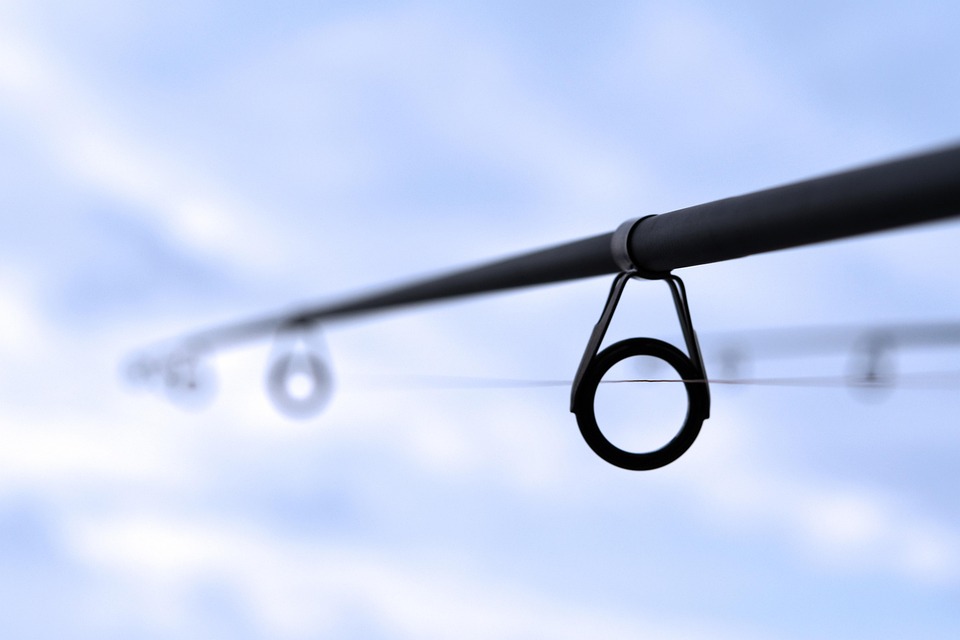
Avoid the one-size-fits-all approach with rods and reels. Instead, focus on matching your tackle to your target species. For instance:
- Light tackle: Best for small fish like panfish or trout.
- Medium tackle: Suitable for bass and pike.
- Heavy tackle: Required for bigger species such as tuna or marlin.
Fishing Line
Selecting the right fishing line is crucial. Fluorocarbon offers invisibility underwater, while braided line provides strength and sensitivity.
Perfecting Your Bait and Lures
The bait you choose is crucial in leveraging fish attraction. Live bait, artificial lures, and their presentation can tremendously influence your results.
Live Bait
Live bait is often more enticing to fish. Worms, minnows, and insects can be highly effective, depending on the species you’re targeting.
Artificial Lures
Lures mimic the movement and appearance of prey. Understanding the types of lures and when to employ them can vastly increase your success rate.
- Crankbaits: Ideal for covering large areas quickly.
- Spinnerbaits: Great for murky waters.
- Topwater lures: Effective during the golden hours.
Techniques for Success
After understanding fish behavior, gear selection, and bait, let’s explore specific techniques that can further elevate your fishing prowess.
Casting and Retrieval
Mastering your casting and retrieval technique is essential. Different scenarios call for different casting styles, such as:
- Overhand casts: Best for distance.
- Sidearm casts: Ideal for tight spaces.
Bobber Fishing
Using a bobber can help detect bites effectively, particularly for species like panfish. Ensure your bait is at the right depth for optimal results.
When to Move
If you’re not getting bites, don’t hesitate to change locations. Fish can be finicky, and sometimes simply moving a few hundred feet can change your luck.
Environmental Factors
Being aware of environmental factors can also enhance your fishing strategy. Consider:
Weather Conditions
Fish are affected by weather patterns. For instance, overcast days can prompt fish to come close to the surface, while sunny days may drive them deeper.
Seasonal Changes
As seasons change, so does fish behavior. In spring, fish enter spawning modes; in summer, they seek cooler water. Understanding these seasonal patterns is vital for choosing your fishing spot and technique.
Catching Ethics
While it’s thrilling to outsmart your catch, don’t overlook the significance of ethical fishing practices. Always adhere to local regulations, practice catch-and-release when necessary, and respect natural habitats.
Conclusion
Fishing is both an art and a science. By understanding fish behavior, selecting the right gear, mastering techniques, and maintaining ethical practices, you can significantly improve your fishing prowess. Whether you are looking to catch dinner or simply enjoy the peacefulness of nature, the tips shared in this article are designed to help you make the most of your fishing experience. Remember, every successful angler was once a beginner, and each outing provides an opportunity to learn and grow.
FAQs
1. What is the best time of day for fishing?
The best times are usually early morning and late evening, when fish are most active.
2. What type of bait should I use for bass?
Live worms, minnows, and various artificial lures like crankbaits and spinnerbaits are effective for bass fishing.
3. Do fishing techniques vary by season?
Yes, seasonal changes affect fish behavior, requiring adjustments in techniques and bait choice.
4. How can I tell if I’ve caught a fish?
Look for movement in the line or feel a tug on the rod. A bobber can also help indicate bites.
5. Is it important to practice catch-and-release?
Yes, practicing catch-and-release helps maintain healthy fish populations and preserves the fishing experience for future generations.
- fishing bait tips
- fishing gear hacks
- fishing hacks
- fishing knot guides
- fishing knot techniques
- fishing knot tying
- fishing knots
- fishing knots for advanced
- fishing knots for beginners
- fishing leader knots
- fishing line knots
- fishing loop knots
- fishing lure tips
- fishing rig guides
- fishing rig hacks
- fishing rig setups
- fishing rig tips
- fishing rig tricks
- fishing rigs
- fishing strategies
- fishing techniques
- fishing tips
- fishing tips and tricks
- fishing tips for beginners
- fishing tips for experts
- fishing tips for freshwater
- fishing tips for saltwater
- fishing tips online
- fishing tricks
- fishing tricks for better catch













Leave a comment