<h1>Tide and Time: Mastering the Art of Saltwater Fishing</h1>
<p>Saltwater fishing is more than just casting a line; it’s a harmonious blend of timing, technique, and understanding the natural world. Many seasoned anglers will tell you that success on the open ocean often depends on two crucial elements: tide and time. Understanding how these factors interplay can significantly enhance your fishing experience and increase your chances of landing that big catch.</p>
<h2>The Science of Tides</h2>
<p>Tides are the rise and fall of sea levels caused by the gravitational forces exerted by the Moon and the Sun on the Earth. These natural phenomena are influenced by various factors such as lunar cycles, geographical location, and even atmospheric conditions. In saltwater fishing, recognizing the tides' phases is fundamental in determining when fish are most active.</p>
<h3.Tide Phases</h3>
<ul>
<li><strong.Spring Tides:</strong> These occur during the full moon and new moon phases, producing the highest and lowest tides. Fish often feed more during these tides due to increased water movement and shifts in their hunting grounds.</li>
<li><strong>Neap Tides:</strong> Occurring during the first and third quarters of the moon, neap tides present less extreme tidal movements. Fish may be less active during these times, but this can vary depending on species.</li>
<li><strong>Tidal Currents:</strong> The flow of water caused by tidal changes can create ideal feeding zones for fish, often around structures like jetties, rocks, and inlets where baitfish gather.</li>
</ul>
<h2>Timing Your Fishing Trip</h2>
<p>Knowing the right time to fish can be as critical as understanding the tides. Different fish species have varying feeding patterns influenced by the time of day, tidal phases, and even weather conditions. Here’s how to master the timing:</p>
<h3.Day vs. Night Fishing</h3>
<p>While fishing can be rewarding at any hour, many anglers find certain times more productive:</p>
<ul>
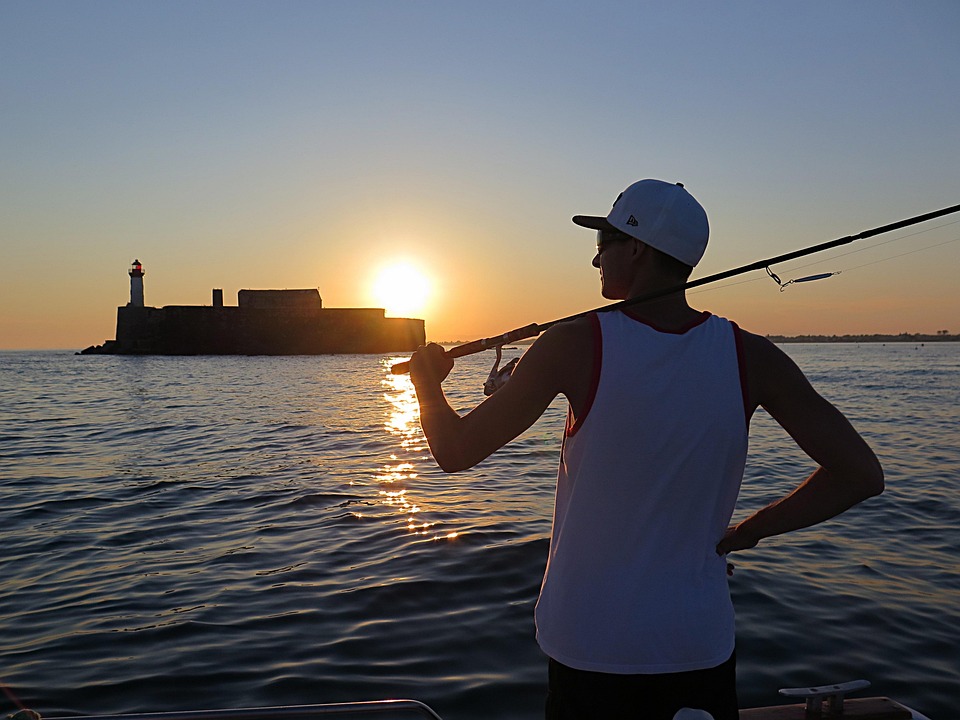
<li><strong>Early Morning and Late Afternoon:</strong> These times often coincide with lower light levels, which can stimulate predatory behavior in fish. Species such as redfish, snook, and tarpon become particularly active during these "golden hours." </li>
<li><strong>Night Fishing:</strong> While it may seem daunting, night fishing can yield surprising results. Many larger species feed aggressively in the dark, utilizing the cover of night to hunt.</li>
</ul>
<h2>Understanding Weather Conditions</h2>
<p>Weather plays a crucial role in saltwater fishing. Anglers should pay attention to atmospheric pressure, wind directions, and water temperatures. Here’s how these factors can impact your fishing:</p>
<h3.Barometric Pressure</h3>
<p>Fish are sensitive to changes in barometric pressure, which can affect their feeding behavior. When pressure drops, many fish species tend to feed more actively in anticipation of an approaching storm. Conversely, a rising pressure often signals a change in fish behavior, leading them to become more dormant.</p>
<h3.Wind and Water Temperature</h3>
<p>Wind can not only affect the conditions for fishing but also the location of the baitfish. A strong wind can push bait into coves or along shorelines, attracting larger predatory fish. Meanwhile, the water temperature plays a key role in fish metabolism; warmer waters typically lead to more active feeding.</p>
<h2>Choosing the Right Gear</h2>
<p>Mastering saltwater fishing isn’t just about timing and understanding the elements; having the right gear is crucial. Here are essential components for your fishing arsenal:</p>
<h3.Rods and Reels</h3>
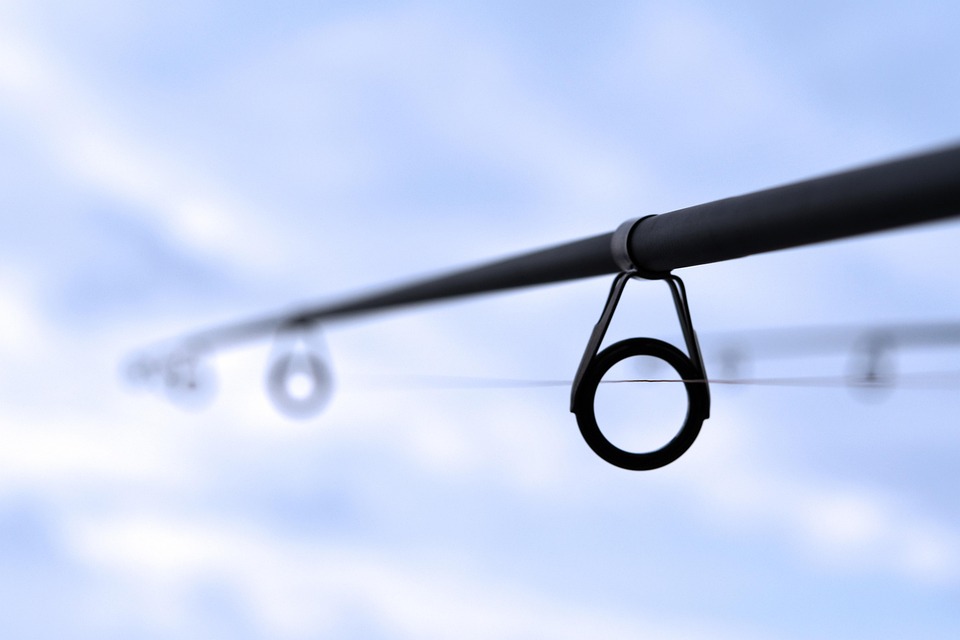
<p>Your choice of rod and reel should be dictated by the type of fish you are targeting. A rod designed for inshore fishing is typically lighter and more sensitive, while offshore rods are heavier and more robust. Matching your reel to the rod is equally important. Conventional or spinning reels can be chosen based on your comfort and the type of fishing method you prefer.</p>
<h3.Lures and Bait</h3>
<p>Selecting the right bait also hinges on timing and tides. Live bait is often the most effective option; it’s appealing to larger fish and mimics the natural prey. Lures can also be highly effective, allowing anglers to cover more ground quickly. Various factors, including water clarity and light conditions, should guide your choice of lures.</p>
<h2>Location, Location, Location</h2>
<p>The right fishing spot is often the difference between a successful outing and a day without a bite. Here are some key locations to consider:</p>
<h3.Structural Features</h3>
<p>Fish are often found near structural features like reefs, jetties, and underwater ledges. These features provide shelter and feeding opportunities. Researching local maps and talking to fellow anglers can help pinpoint promising locations.</p>
<h3.Tidal Areas</h3>
<p>Estuaries, bays, and tidal rivers are also prime fishing spots. These areas serve as nurseries for juvenile fish and are hotspots for larger predators hunting for food. Consider fishing during peak tidal movements, when currents increase and fish are most active.</p>
<h2>Adaptive Techniques and Practices</h2>
<p>Flexibility is key in saltwater fishing. As conditions change, be willing to adapt your strategy. For example:</p>
<ul>
<li><strong>Change Your Location:</strong> If fish aren't biting, don't hesitate to move to a different spot. Fresh water currents or shade can make all the difference.</li>
<li><strong>Alter Your Tackle:</strong> If your chosen bait isn't producing, switch to a different type or size. Experimenting with colors and types of lures can also yield better results.</li>
</ul>
<h2>Conclusion</h2>
<p>Mastering the art of saltwater fishing requires an understanding of the intricate dance between tide and time. Seasoned anglers know that fishing isn’t just about luck; it’s about preparation, knowledge, and a deep respect for nature. By taking the time to understand the tides, **day and night patterns**, and the behaviors of fish, you are not just aiming to catch a fish but to immerse yourself fully in the experience. With patience and adaptability, you will not only improve your chances of landing that trophy catch but also deepen your love for the sport. Every cast of the line brings a unique adventure, promising memories that will last long after the catch has been released.</p>
<h2>FAQs</h2>
<h3>1. What are the best tides for saltwater fishing?</h3>
<p>Generally, fishing during spring tides (full and new moons) produces better results due to stronger currents, which can lead to more active fish.</p>
<h3>2. Does weather affect fishing success?</h3>
<p>Yes, weather conditions significantly affect fish behavior. Lower barometric pressure often increases activity levels in fish.</p>
<h3>3. Can you fish at night in saltwater?</h3>
<p>Absolutely! Night fishing can be particularly effective for catching larger species that feed under the cover of darkness.</p>
<h3>4. What gear is essential for saltwater fishing?</h3>
<p>A sturdy rod and reel suited for saltwater, high-quality line, and a variety of lures or live bait tailored to the fish species you are targeting.</p>
<h3>5. How can I locate fish in saltwater?</h3>
<p>Look for structural features, tidal areas, and remember to consider tidal changes that influence fish movement and feeding behavior.</p>
<footer>
<p>© 2023 Saltwater Fishing Insights. All rights reserved.</p>
</footer>




















Leave a comment