












Fishing is not just a hobby; it’s an art form. While many enjoy casting their lines for an afternoon of relaxation, becoming a true angling aficionado requires more than just patience. With the right techniques, tools, and knowledge, you can significantly enhance your fishing experience. In this article, we will explore essential fishing hacks, tips, and tricks that can help you master the art of angling.
Understanding Your Target
Before we delve into the tips and tricks of fishing, it’s crucial to understand the species you are targeting. Different fish have unique behaviors, preferred habitats, and feeding times. Here’s what to consider:
- Species Knowledge: Research the fish species you intend to catch.
- Seasonal Patterns: Know when different species are in season. For example, bass spawn in spring.
- Habitat Preferences: Identify where your target fish like to hang out. For instance, catfish prefer deeper waters.
- Feeding Habits: Learn about what your target fish like to eat, as this can inform your bait choice.
Gear Up for Success
The right gear can make a world of difference in your fishing success. Here’s a list of essential items and some hacks for optimizing your fishing kit:
1. Choosing the Right Rod and Reel
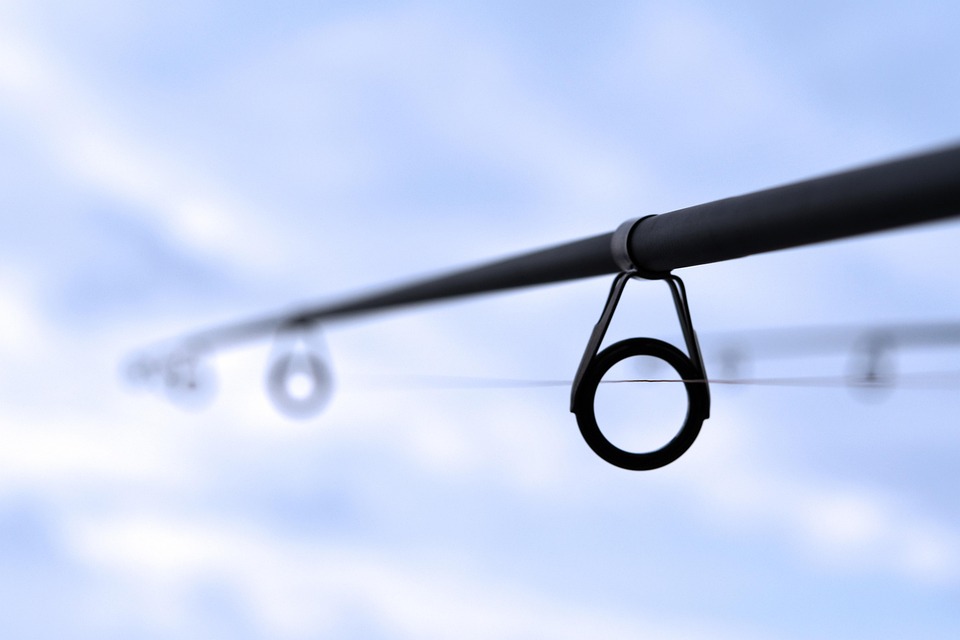
Not all fishing rods and reels are created equal. Choose based on the type of fishing you’ll be doing:
- Rod Length: Longer rods cast farther, while shorter rods provide more control.
- Reel Size: Choose a reel that can handle the weight of your target fish.
2. Essential Tackle
Your tackle box should be well-stocked with a variety of lures, hooks, and weights. Some hacks include:
- Keep lures organized in a tackle tray to avoid tangles.
- Use a multi-tool for easy access to hooks and pliers.
3. Advanced Fishing Lines
Not all fishing lines are the same. Understanding the differences in monofilament, fluorocarbon, and braided lines can give you an edge. Consider these tips:
- Fluorocarbon is less visible underwater, making it ideal for clear water.
- Braided line has high strength and sensitivity, allowing for better catches.
Fishing Techniques and Hacks
Now that you’re equipped, let’s explore some techniques and hacks that can make a significant difference:
1. Mastering the Cast
The cast can make or break your fishing experience. To improve your casting:
- Practice your casting technique in a field before hitting the water.
- Use an overhead cast for distance and follow through to improve accuracy.
2. Finding the Right Spot
Not all fishing spots are equally good. Here’s how to find your ideal fishing location:
- Study Maps: Utilize topographical maps to identify underwater structures.
- Look for Surface Activity: If fish are jumping or splashing, it’s a good indication of feeding.
- Ask Locals: They often have the best intel on fishing hotspots.
3. The Use of Technology
In today’s world, embracing technology can give you a big advantage. Consider these tools:
- Fish Finder: These devices can help you locate fish and underwater structures.
- Smartphone Apps: Use apps for weather forecasts, tide charts, and fishing logs.
Live Bait vs. Artificial Lures
The ongoing debate of live bait versus artificial lures often boils down to personal preference and circumstance. Here are some insights:
- Live Bait: Natural baits like worms, minnows, and insects are often more irresistible to fish.
- Artificial Lures: They come in various shapes, sizes, and colors, allowing for creativity in appearance and action.
Timing is Everything
The time of day can significantly impact your fishing success. Early mornings and late evenings are ideal for most fish species. Try these tricks to make the most of your time on the water:
- Check the Weather: Overcast days can provide excellent fishing conditions.
- Full Moon Phases: Fishing can be more productive during a full moon, as fish tend to feed more actively.
Practice Catch and Release
To ensure sustainable fishing and the preservation of fish populations, practice catch-and-release techniques. Here are some best practices:
- Minimize the time the fish spends out of the water.
- Use barbless hooks to facilitate easier removal.
- Handle fish with wet hands to protect their slime coat.
Conclusion
Mastering the art of angling requires a combination of knowledge, skill, and respect for the environment. By understanding your target species, gearing up with the right tools, perfecting your techniques, and following best practices for sustainability, you can enhance your fishing experience. Remember that the journey of fishing is as rewarding as the catch itself, so enjoy every moment spent on the water!
FAQs
1. What is the best time of day to go fishing?
The best times to fish are early mornings and late evenings, particularly during dawn or dusk when fish are more active.
2. Do I need a fishing license?
Yes, in most places, you need a fishing license. Check your local regulations for specific requirements.
3. What is the best bait for beginners?
Worms are generally regarded as one of the best and most versatile baits for beginners.
4. What should I do if I catch a fish I want to release?
Minimize the stress for the fish by keeping it in the water as much as possible, using barbless hooks, and handling it with wet hands.
5. Can I fish from a kayak?
Absolutely! Kayak fishing is popular and allows you to access remote fishing spots. Just ensure your kayak is stable and suits your fishing needs.
- fishing bait tips
- fishing gear hacks
- fishing hacks
- fishing knot guides
- fishing knot techniques
- fishing knot tying
- fishing knots
- fishing knots for advanced
- fishing knots for beginners
- fishing leader knots
- fishing line knots
- fishing loop knots
- fishing lure tips
- fishing rig guides
- fishing rig hacks
- fishing rig setups
- fishing rig tips
- fishing rig tricks
- fishing rigs
- fishing strategies
- fishing techniques
- fishing tips
- fishing tips and tricks
- fishing tips for beginners
- fishing tips for experts
- fishing tips for freshwater
- fishing tips for saltwater
- fishing tips online
- fishing tricks
- fishing tricks for better catch












Leave a comment