








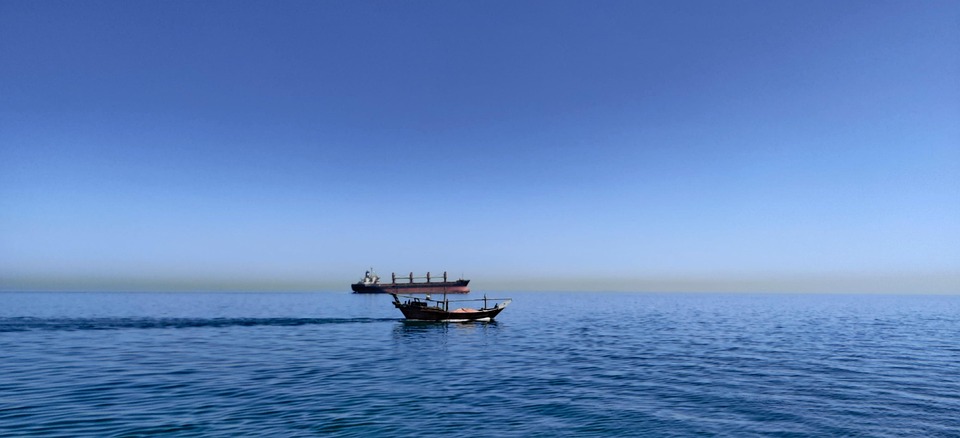
Fishing is more than a pastime; it’s a therapeutic escape into nature, a way to bond with friends and family, and, for many, an opportunity to feed the soul. But for beginners, the vast world of fishing can feel overwhelming. The combination of gear choices, techniques, and local regulations can easily deter someone from pursuing this fulfilling hobby. This guide aims to break down essential strategies and insights for fishing enthusiasts of all levels, especially beginners looking to navigate this thrilling sport.
The Joy of Fishing
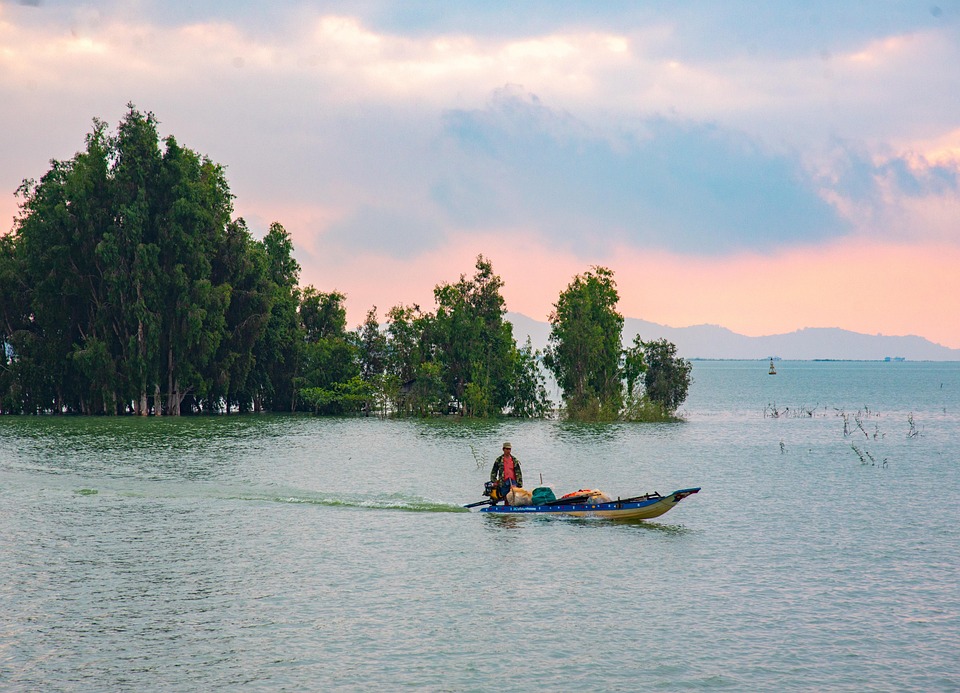
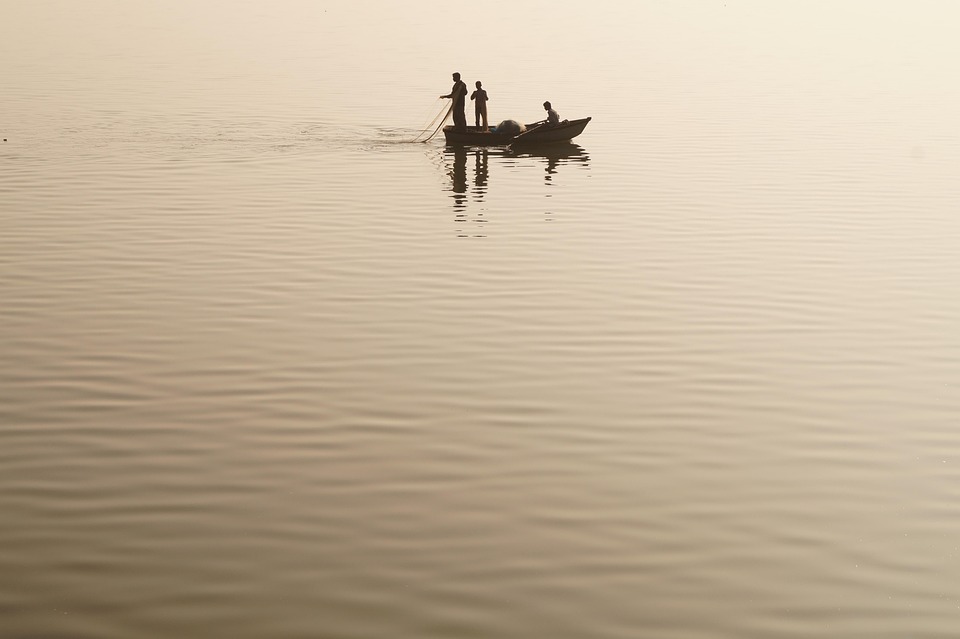
Fishing enables individuals to connect with nature, enjoy the serenity of water bodies, and engage in a true test of patience and skill. From the gentle ripple of a lake to the crashing waves of an ocean, the locations can vary drastically, offering diverse ecosystems to explore. Whether it’s the thrill of reeling in a trout on a warm summer day or the quiet contemplation by a riverbank at dawn, fishing offers experiences as varied as the methods used to catch fish.
Gear Essentials for Beginners
To get started, a beginner must first invest in some basic gear. While the options can seem endless, the following items are crucial for novices:
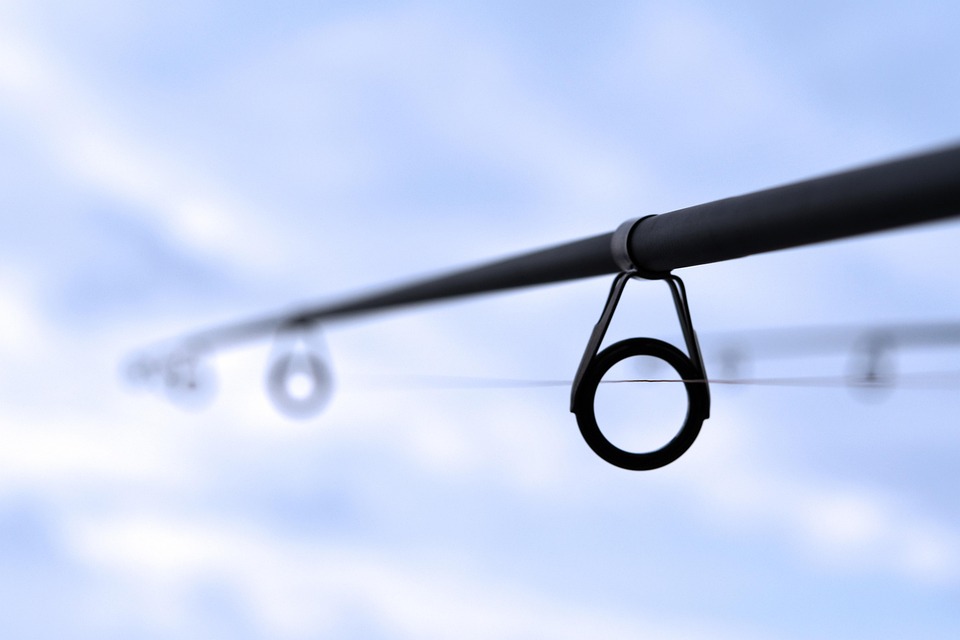
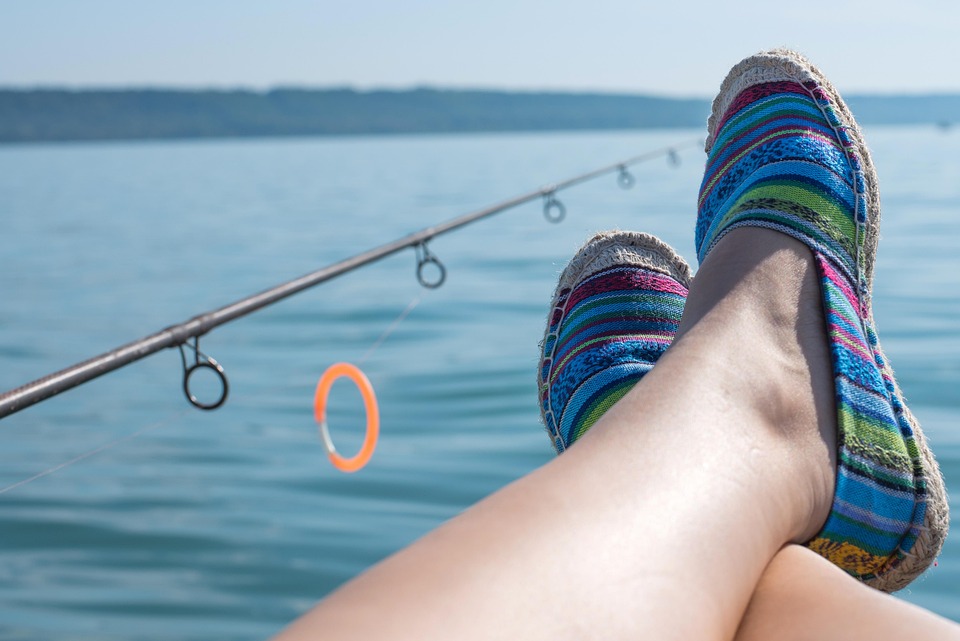
- Fishing Rod and Reel: Choose a versatile rod, ideally 6-7 feet long for freshwater fishing, to handle various fish types.
- Fishing Line: Opt for a monofilament line, which is easy to manage and forgiving for new anglers.
- Hooks: Standard hooks range from size 6 to size 10 for small fish. Larger hooks can be used for bigger species.
- Bait: Live bait like worms or minnows and artificial lures made of plastic or metal are effective choices.
- Gear for Safety: Sunscreen, a first aid kit, and a hat for sun protection are indispensable.
- Fishing License: Always check local regulations and obtain necessary permits.
Finding the Right Fishing Location
The most successful anglers understand that choosing the right location is half the battle. Here are strategies for selecting fruitful fishing spots:
- Research Local Waters: State parks, lakes, rivers, or local reservoirs often come recommended for beginners.
- Look for Structure: Fish tend to gather near structures such as trees, rocks, and ledges. These natural elements provide cover and hunting grounds.
- Check Local Conditions: Weather conditions, water temperature, and time of year significantly influence fish behavior. Consult local fishing reports.
Mastering Basic Fishing Techniques
Before heading out, familiarize yourself with a few essential fishing techniques:
1. Casting Techniques
Learn overhand and sidearm casting to ensure control and distance. Practice as much as possible before heading out, as the fluidity of your cast can improve your catch rate.
2. Reel Techniques
Understand the different ways to reel in fish. The “stop-and-go” technique allows you to imitate injured prey, enticing curious fish.
3. Patience and Observation
Patience is key. While some fish bite quickly, others require time. Observe water movements and look for signs that fish are present, such as jumping or splashing.
Respecting Nature and Sustainability
Fishing isn’t just about the catch; it’s also about being a responsible steward of the environment. Practitioners should follow ethical fishing practices to protect local ecosystems:
- Catch and Release: If you’re not keeping fish, practice safe catch-and-release techniques to minimize harm.
- Follow Regulations: Adhere to local fishing regulations regarding size limits and seasonal restrictions.
- Leave No Trace: Always clean up after yourself to maintain the beauty of fishing locations for future generations.
Building Community and Learning
Joining local fishing communities can provide invaluable support and knowledge. Attend workshops, join social media groups, or connect with clubs in your area. These platforms are key for sharing experiences, tips, and even arranging group outings.
Conclusion
Fishing is a rewarding sport that combines skill, patience, and respect for nature. As a beginner, understanding your equipment, finding suitable locations, mastering techniques, and being responsible toward the environment are vital components for success. Most importantly, remember that fishing is about enjoyment—whether through solitude, quality time with loved ones, or engaging with nature. With each cast, you are not merely pursuing fish but also creating lifelong memories.
Frequently Asked Questions (FAQs)
1. What is the best time to fish?
The best times to fish are typically early morning or late afternoon when fish are more active. Seasonal changes also play a role; for example, spring and early fall can yield excellent results.
2. Do I need a fishing license?
Yes, a fishing license is required in most locations. Check local regulations to ensure you are legally fishing in your area.
3. Can I fish without a boat?
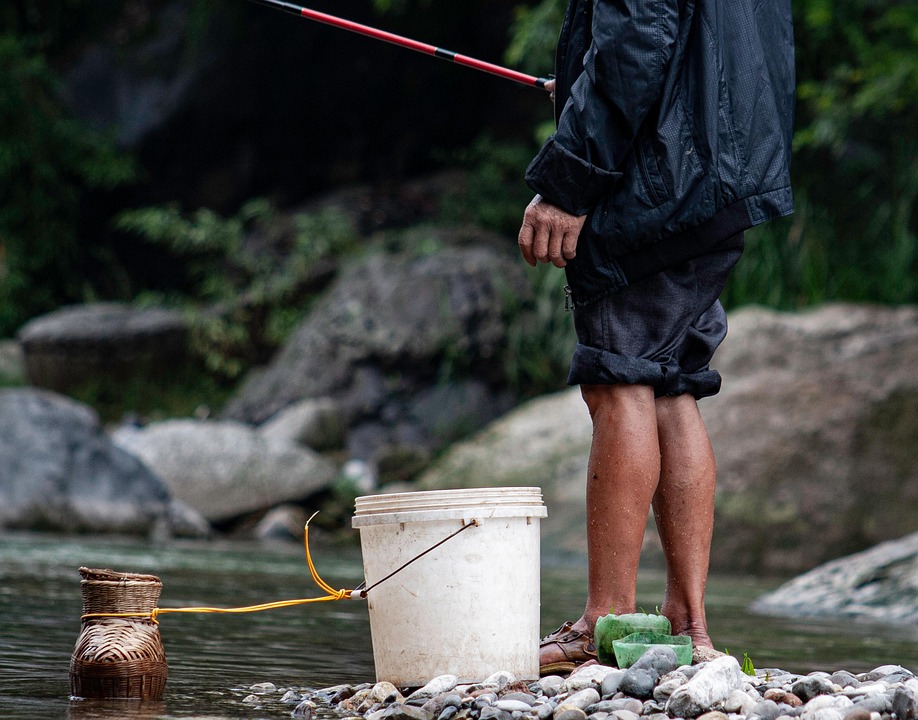
Absolutely! You can fish from shore, piers, or designated fishing spots. Many successful anglers exclusively fish from land.
4. What should I do if I catch a fish?
If you plan to release it, handle it gently and minimize its time out of water. If keeping, ensure you follow local regulations regarding size and species.
5. How do I choose the right bait?
This depends on the type of fish you’re targeting. Research local species to understand their preferred food. Live bait often works best for beginners due to its effectiveness.
- beginner bass fishing
- beginner carp fishing
- beginner catfish fishing
- beginner fishing advice
- beginner fishing baits
- beginner fishing gear
- beginner fishing guides
- beginner fishing guides online
- beginner fishing knots
- beginner fishing lures
- beginner fishing mistakes
- beginner fishing reels
- beginner fishing rods
- beginner fishing strategies
- beginner fishing techniques
- beginner fishing tips
- beginner fishing trips
- beginner fishing tutorials
- beginner fishing videos
- beginner fly fishing
- beginner freshwater fishing
- beginner muskie fishing
- beginner panfish fishing
- beginner pike fishing
- beginner saltwater fishing
- beginner trout fishing
- fishing basics
- fishing for beginners
- how to fish
- new anglers tips








Leave a comment