










Predator fishing is an exhilarating endeavor that requires skill, knowledge, and a bit of patience. Whether you are targeting pike, muskie, or bass, honing your casting techniques and understanding the behavior of your prey are essential for success. This guide aims to equip novice anglers with valuable tips and insights to enhance their fishing experience and increase their catch rate.
Understanding Predator Fish
Before diving into the world of predator fishing, it is crucial to understand the species you’re targeting. Predator fish are known for their aggressive feeding methods, and each species has unique characteristics that influence their behavior.
Pike
Pike are notorious for their sharp teeth and fierce predatory instincts. They often lurk near submerged structures, waiting for unsuspecting prey. Understanding their feeding patterns, especially during warmer months when they are more active, is critical.
Muskie
The muskie, often referred to as the “fish of ten thousand casts,” is elusive and requires a more calculated approach. They are known to inhabit weed beds, rocky structures, and deep water. Timing and location are crucial when targeting muskie, given their specific habitat preferences.
Bass
Bass are highly adaptable and can be found in a variety of environments. They are opportunistic feeders and are more active during dawn and dusk. Learning where bass hide during different seasons can greatly improve your catch rate.
Essential Gear for Predator Fishing
Having the right gear can make all the difference when targeting predator fish. Here’s a rundown of essential equipment:
Rods and Reels
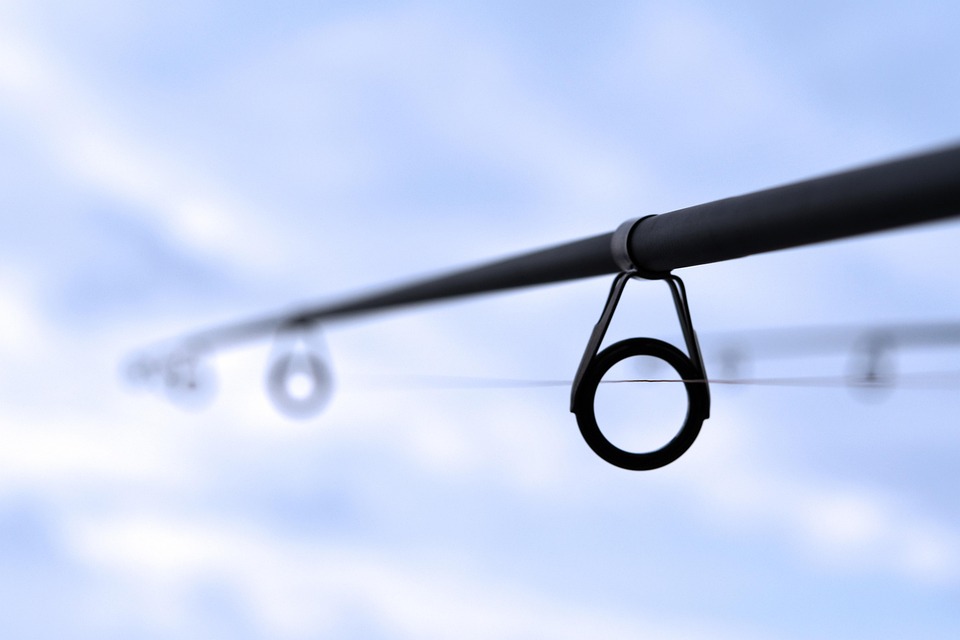
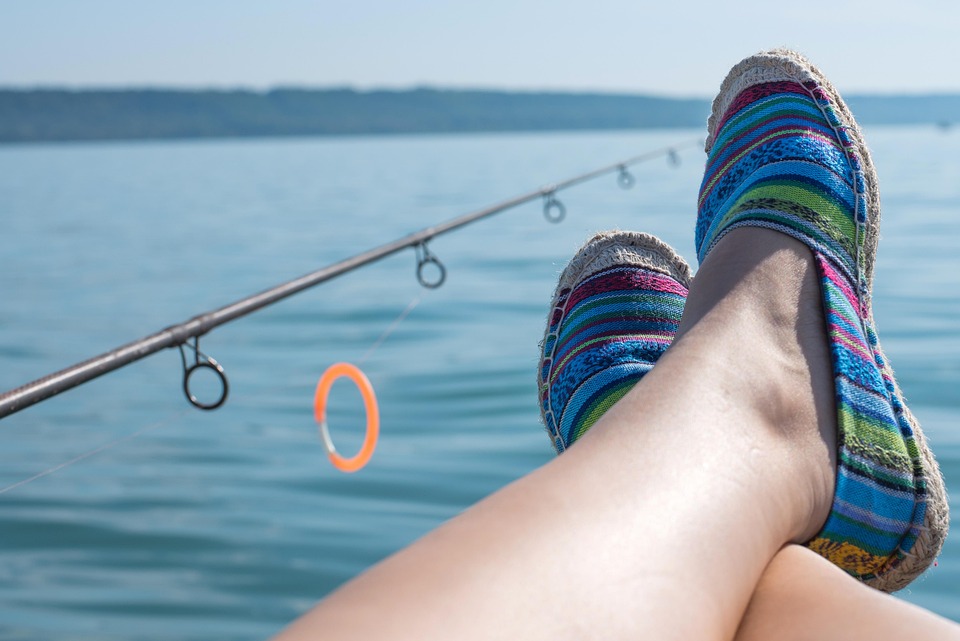
Selecting the right rod and reel combination is essential for effective casting and control. For pike and muskie fishing, a medium to heavy action rod with a sturdy reel is recommended. For bass, a medium action rod with a baitcasting or spinning reel can offer the required sensitivity.
Line and Leader
Using braided lines can provide the strength needed to handle aggressive strikes. A strong fluorocarbon or steel leader can prevent bite-offs, especially in toothy predatory fish like pike and muskie.
Lures and Baits
Choosing the right lure is vital. Jerkbaits, crankbaits, and topwater lures are popular among predator anglers. Experimenting with colors and sizes can also yield varying results, depending on water conditions and the fish’s mood.
Perfecting Your Casting Technique
Your casting technique can significantly affect your success rate. Here are some tips to improve your casting skills:
Practice Your Casting
Regular practice is essential. Focus on your grip, stance, and release point to improve accuracy. Target different distances and practice casting in varying wind conditions to help develop your skills.
Understanding Angles
Varying the angle of your cast is vital for reaching hard-to-reach spots. An underhand cast may be beneficial for casting underneath overhanging branches, while an overhead cast is suitable for open water.
Utilizing Different Retrieval Techniques
Experimenting with different retrieval techniques can provoke reaction strikes from predator fish. Jerking, pausing, and varying the speed of your retrieve can simulate the movements of injured prey, making your lure more enticing.
Timing and Patience
Successful predator fishing is about timing and patience. Early mornings and late evenings are often the best times to fish, as many predators are more active during these hours.
Seasonal Considerations
Seasonal patterns also affect predator behavior. During spawning seasons, many species move to shallow waters, making them easier to target. In contrast, summer heat may push fish into deeper, cooler waters. Understanding these patterns can facilitate more productive fishing trips.
Weather Conditions
Weather can also impact predator fishing. Overcast days can provide excellent fishing conditions, as fish may be more willing to move and feed. Windy conditions can also create ripples on the water, serving as a cover for predators.
Local Knowledge and Regulations
Familiarizing yourself with local regulations and fishing hotspots plays a crucial role in responsible angling. Always practice ethical fishing by adhering to size and bag limits and respecting spawning seasons.
Engaging with the Local Community
Connect with fellow anglers and local fishing shops. They can offer invaluable insight into local fishing conditions, hot spots, and the best techniques for your target species.
Conclusion
Getting started in predator fishing can be daunting, but with the right knowledge, techniques, and gear, you can set yourself up for success. Remember that persistence is key. Every experienced angler has faced challenges and misadventures on the water. Embrace the learning curve and enjoy the thrill of the chase.
FAQs
1. What is the best time of year for predator fishing?
The best time for predator fishing generally ranges from late spring to early fall. However, specific timing can vary depending on the species, local conditions, and weather.
2. What is the best lure for targeting pike?
Pike can be effectively targeted with a variety of lures, including jerkbaits, spinnerbaits, and large spoons. Bright colors often catch their attention.
3. How do I know if I’m casting correctly?
Accuracy and distance are essential indicators of casting proficiency. If you regularly hit your targets and can cast the desired distance, you’re likely on the right track. Regular practice is critical for improvement.
4. Should I fish alone or with a partner?
Fishing with a partner can enhance the experience through shared knowledge, safety, and camaraderie. However, fishing alone can provide a peaceful and contemplative experience.
5. What should I do if I catch a trophy fish?
If you catch a trophy fish, handle it with care and consider practicing catch-and-release to conserve the population. Always check local regulations regarding size and bag limits.
- advanced predator fishing
- aggressive fish fishing
- barracuda fishing
- barracuda lure fishing
- freshwater predator fishing
- large predator fishing
- muskie fishing
- muskie lure fishing
- pike fishing
- pike lure fishing
- predator angling
- predator fishing
- predator fishing baits
- predator fishing destinations
- predator fishing for beginners
- predator fishing gear
- predator fishing guides
- predator fishing lures
- predator fishing reels
- predator fishing rigs
- predator fishing rods
- predator fishing seasons
- predator fishing spots
- predator fishing tactics
- predator fishing techniques
- predator fishing tips
- predatory fish fishing
- saltwater predator fishing
- zander fishing
- zander jigging









Leave a comment