














Jigging is one of the most exhilarating techniques in the angling world, appealing to both novices and seasoned fishermen alike. As a method that combines skill, strategy, and a bit of science, mastering jigging can enhance your chances of landing that ultimate catch. This article will delve into various techniques, best practices, and essential insights needed to elevate your jigging game to the next level.
The Art and Science Behind Jigging
At its core, jigging involves using a weighted lure known as a jig. Depending on the water conditions and target species, anglers employ various techniques to mimic the movement of prey, enticing fish to strike. The beauty of jigging lies in its versatility; it can be effective in shallow bays, deep ocean waters, and everywhere inbetween.
Understanding fish behavior, water temperature, and seasonal patterns is crucial for successful jigging. For instance, during the spawning season, fish often become more aggressive, making them more responsive to tightly controlled jigging patterns.
Choosing the Right Gear
Your success in jigging largely hinges on the gear you select. Each component plays a vital role in ensuring effective jigging and maximizing your chances of an impressive catch.
Rods and Reels
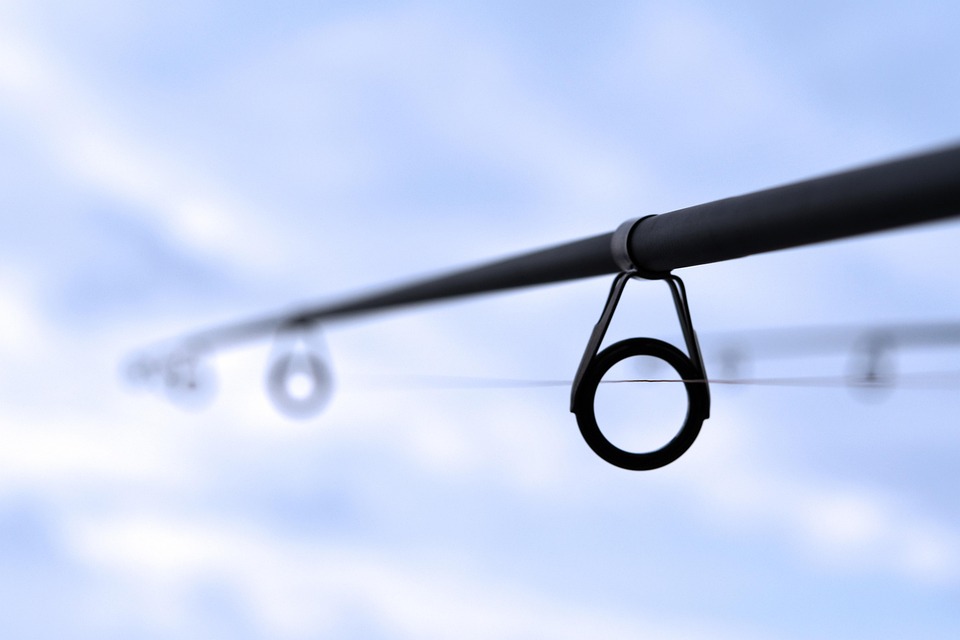
Light to medium light rods are typically preferred for jigging, as they offer better sensitivity and control over the jig’s movement in the water. Reels should possess high gear ratios, enabling quick line retrieval — especially when fish strike.
Lines and Leaders
When it comes to fishing lines, braided lines are often favored due to their strength and minimal stretch, allowing you to sense even the slightest bites. A fluorocarbon leader can be effective for added invisibility and abrasion resistance.
Jigs
Your jig selection is vital for successful jigging. Some considerations include:
- Weight: Heavier jigs sink quickly and are preferable in deep waters, while lighter jigs are ideal for shallower conditions.
- Color: Bright colors may prove effective in murkier waters, while natural colors tend to work better in clear waters.
- Design: Jigs come in various shapes. Curved jigs may wobble enticingly, while straight jigs provide a more direct sink.
Mastering the Jigging Technique
Once you have your gear sorted, it’s time to dive into the various jigging techniques that can elevate your fishing prowess.
Vertical Jigging
This technique is ideal for deep-sea fishing. The angler drops the jig straight down to the target depth and then retrieves it with a series of upward jerks. It’s crucial to maintain a steady rhythm as abrupt movements can cause unwanted slack.
Speed Jigging
As the name implies, this method involves reeling in the jig rapidly to imitate a fleeing baitfish. Depending on the fish’s aggressiveness, this technique can be incredibly productive. Start with a gradual retrieve and increase speed based on the fish’s response.
Flutter Jigging
This technique effectively imitates the erratic movement of distressed prey. By varying your jigging strokes, you can cause your lure to dart and flutter, which mimics a wounded baitfish — a tempting target for predatory species.
Essential Tips for Successful Jigging
Beyond understanding techniques, incorporating some practical tips can significantly boost your jigging success:
Observe and Adapt
Fish behavior often varies day by day and hour by hour. It’s essential to remain observant and adapt your techniques based on current fishing conditions, including weather, water temperature, and the behavior of local fish.
Pay Attention to Your Jig
Watch how your jig moves in the water. If it’s not producing results, consider changing your retrieval speed, altering your jig’s color, or switching it out entirely. Adaptability is key.
Time and Location
Optimal fishing times are typically early morning and late evening. Research local patterns and choose hotspots known for consistent fish activity. Tides and lunar phases also influence fish behavior, so a little planning goes a long way.
Conservation and Ethical Fishing
As you embark on your jigging journey, never forget the importance of sustainable fishing practices. Adhere to local fishing regulations and guidelines to ensure a healthy fish population for future generations. Techniques like catch and release, alongside responsible handling of fish, are crucial for marine conservation.
Conclusion
Mastering the art of jigging can unlock new levels of excitement and fulfillment in your fishing adventures. By employing the right gear, employing varied techniques, and remaining adaptable to changing conditions, you can increase your chances of securing the ultimate catch.
Whether you’re a seasoned angler or a beginner eager to learn more, the thrill of jigging awaits. Immerse yourself in this nuanced fishing technique, respect the underwater ecosystem, and enjoy the journey that comes with it.
FAQs
What is the best time of year for jigging?
The best time for jigging depends on the species you’re targeting, but generally spring and fall are favorable seasons when fish are more active.
Do I need a fishing license to jig?
Yes, in most jurisdictions, a valid fishing license is required. Always check your local regulations to ensure compliance.
Can jigging be done from shore?
Absolutely! While jigging is often performed from boats, it can also be effective from shore, especially in shallower waters or when targeting species that come closer to the shore.
How do I know what jig to use?
Select your jig based on the target species, water depth, and conditions. Research local fishing forums or consult with local bait shops for insider tips on effective jigs.
What other species can I target while jigging?
Jigging can be effective for various species, including cod, tuna, snapper, and even freshwater species like bass. Research the best techniques for your specific target species.
- advanced fishing techniques
- artificial bait fishing
- bait fishing
- boat fishing methods
- casting fishing
- deep sea fishing techniques
- drift fishing
- fishing knots techniques
- fishing methods
- fishing methods for beginners
- fishing rigs methods
- fishing strategy tips
- fishing techniques
- fly fishing techniques
- freshwater fishing techniques
- inshore trolling
- jigging fishing
- live bait fishing
- lure fishing methods
- modern fishing techniques
- offshore trolling
- popping fishing
- professional fishing methods
- saltwater fishing techniques
- shore fishing methods
- slow jigging
- spinning fishing
- topwater popping
- trolling fishing
- vertical jigging


















Leave a comment