


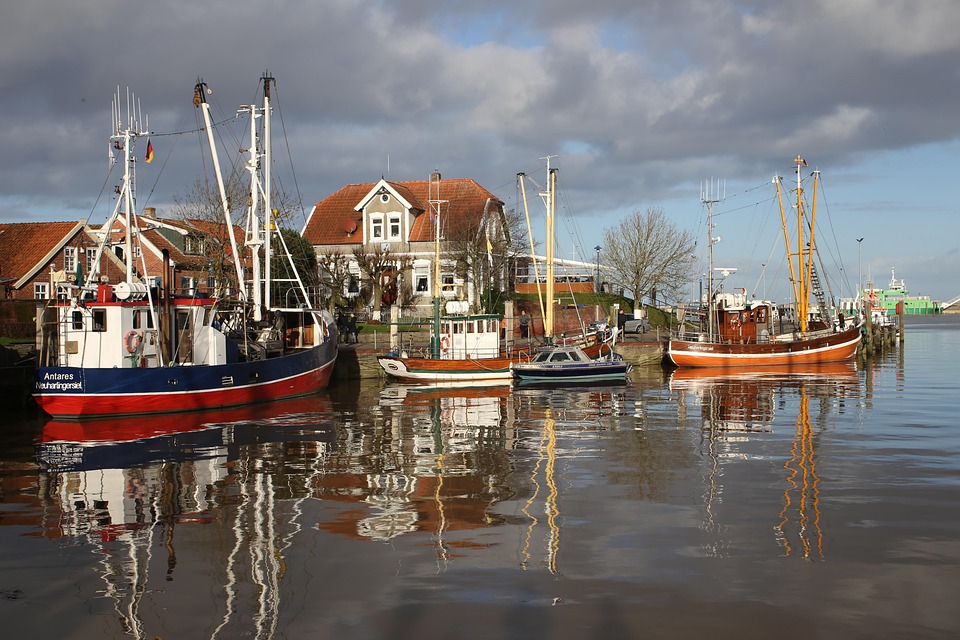


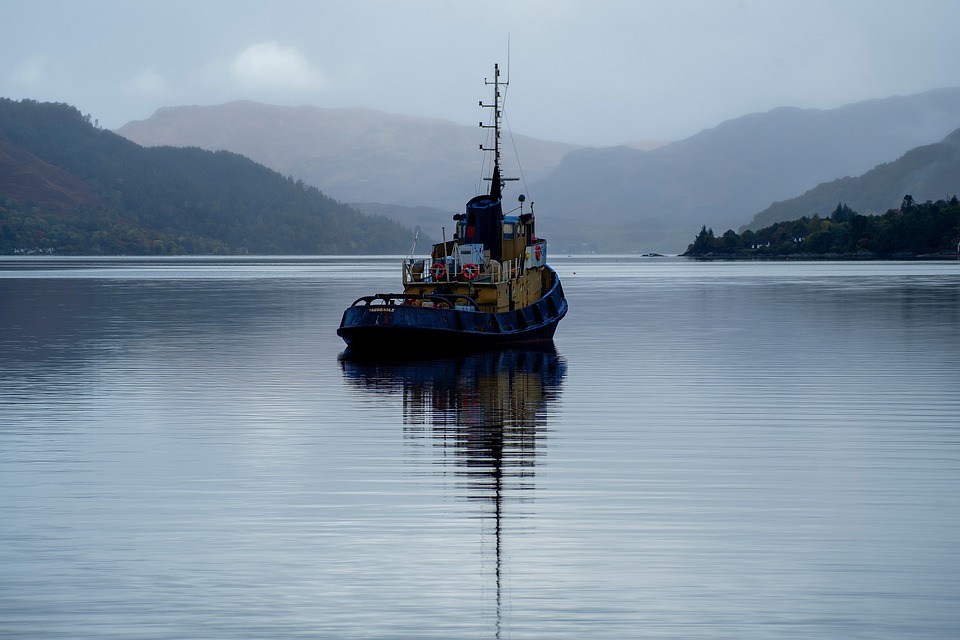




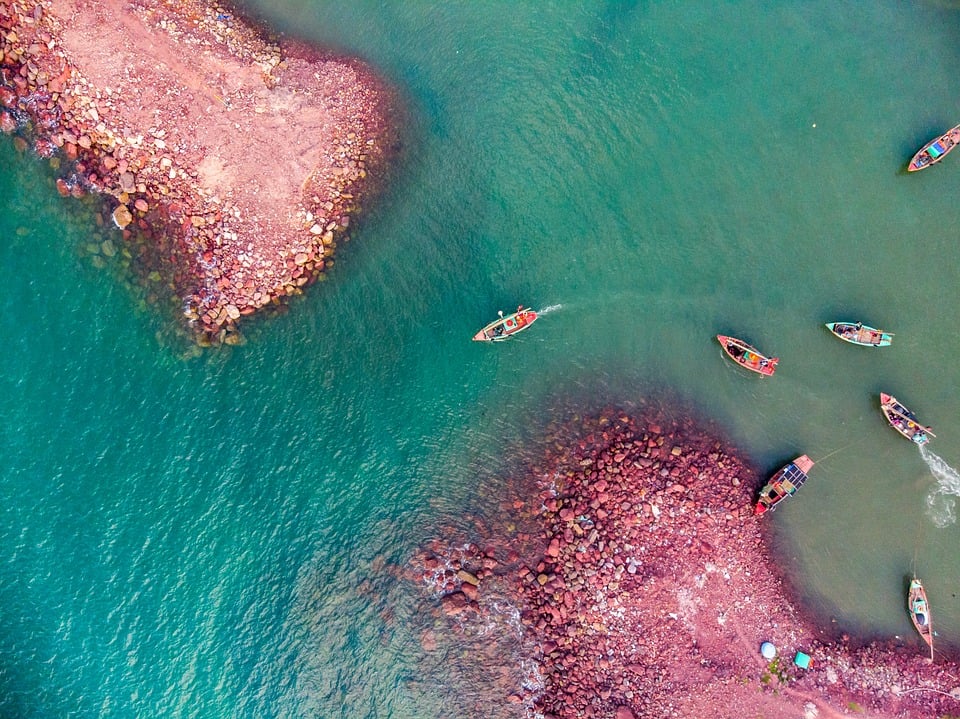
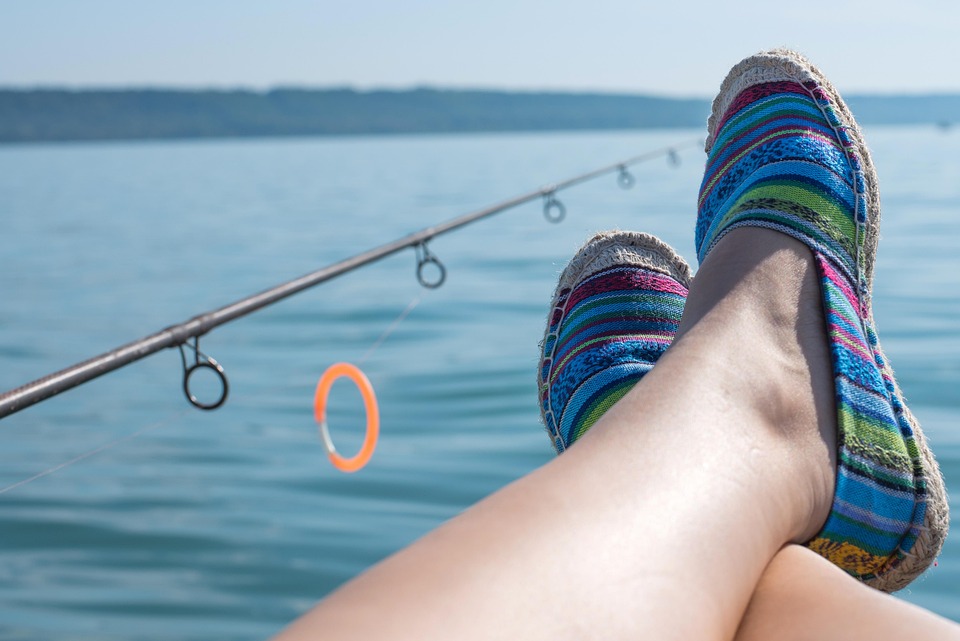

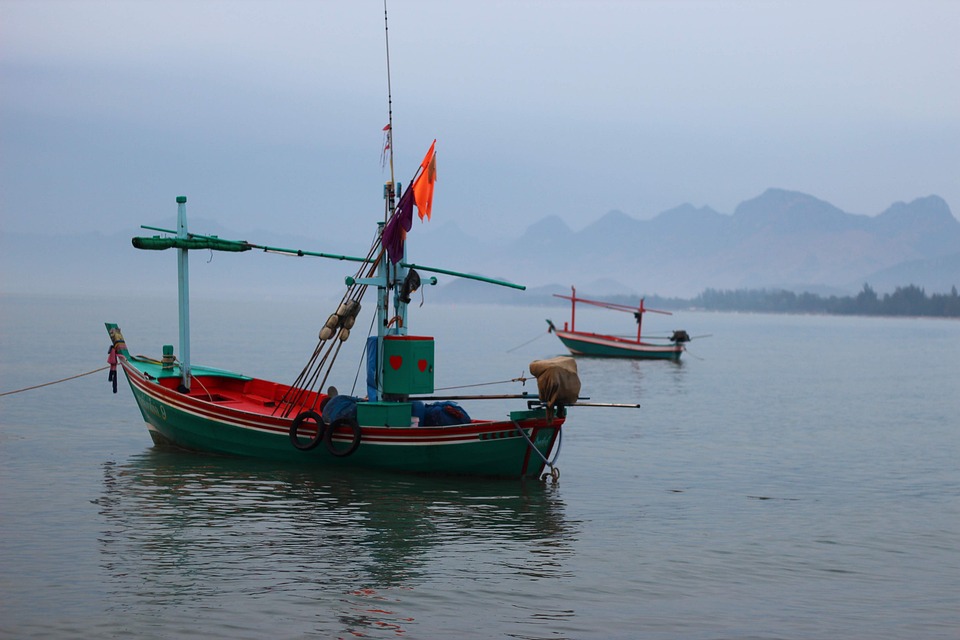
Whether you’re a seasoned angler or a novice just getting started, boat fishing offers an exhilarating way to experience the great outdoors. Setting off from the dock onto open waters opens up an abundant playground teeming with fish. To elevate your next fishing adventure, understanding various boat fishing methods can enhance your success and enjoyment. In this article, we’ll delve into essential boat fishing methods, their advantages, and tips and tricks to help you reel in your next big catch.
Understanding Your Fishing Environment
Before you embark on your boat fishing adventure, it’s crucial to understand your fishing environment. Whether you’re fishing in freshwater lakes, rivers, or saltwater coasts, each ecosystem has its own unique properties that can affect fish behavior.
- Freshwater Fishing: Lakes, ponds, and rivers often host species like bass, trout, and catfish. Understanding water temperature, clarity, and structure will guide you in selecting the right fishing techniques.
- Saltwater Fishing: Oceans and seas provide a diverse array of fish such as tuna, snapper, and marlin. Currents, tides, and weather conditions play a significant role in saltwater fishing strategies.
Top Boat Fishing Methods
1. Trolling
Trolling involves dragging baited lines behind a moving boat. This method allows anglers to cover large areas of water, increasing the likelihood of encountering active fish.
Tips for Trolling:
- Use a variety of lures and baits at different depths.
- Maintain a consistent speed to keep the bait effective.
- Pay attention to the water temperature and current; fish often gather where water conditions are favorable.
2. Drifting
Drifting is a more passive fishing method that utilizes the boat’s movement with the wind and currents to carry fishing lines across the desired area.
Benefits of Drifting:
- Highly effective in catching species that are foraging or roaming.
- Minimizes noise and disturbances in the water, making it less likely for fish to be scared away.
3. Anchoring
This method requires the angler to anchor the boat in a specific spot, allowing them to fish in one location. It is particularly useful for targeting species that dwell in a specific area, such as wrecks or reefs.
Best Practices for Anchoring:
- Choose a good anchor that suits the water conditions.
- Position the boat to control drifting, making sure the anchor holds well.
- Be mindful of the tides and currents; they can shift your position.
Advanced Techniques
4. Bottom Fishing
Bottom fishing targets species that reside near the bottom of the water body. This method is particularly effective in deeper waters where fish such as grouper and snapper are found.
How to Bottom Fish:
- Use heavy weights to keep bait on the bottom.
- Select appropriate hooks and bait based on targeted species.
- Feel for bites by keeping your line taut and being ready to reel in quickly.
5. Fly Fishing from a Boat
For those who love the finesse of fly fishing, doing so from a boat can open new opportunities for catching elusive fish like trout and steelhead.
Tips for Effective Fly Fishing:
- Choose the right fly based on seasonal entomology.
- Practice precise casting techniques to place the fly accurately.
- Be aware of your boat’s position to avoid spooking fish.
Essential Gear for Boat Fishing
Having the right equipment is incredibly important for a successful fishing trip. While specific gear may vary based on the fishing method and target species, here’s a general list of essential equipment:
- Fishing Rod and Reel: Choose gear that matches your fishing technique.
- Bait and Lures: Stock a variety of both, depending on your location and targeted species.
- Life Jackets: Always prioritize safety on the water.
- Popular Tools: Fishing nets, pliers, a tackle box, and a cooler for your catch.
Preparing for a Successful Fishing Trip
The key to a successful boat fishing experience extends beyond just understanding techniques. Here’s how to prepare:
- Plan Your Trip: Research the best fishing spots, weather conditions, and seasonal patterns.
- Check Regulations: Make sure to review local fishing laws and regulations to ensure compliance.
- Prepare Your Gear: Ensure all equipment is in good condition and ready to go, including rods, reels, and safety gear.
Conclusion
Boat fishing is not just a hobby; it’s a way to connect with nature and share memorable moments with friends and family. Whether you’re using trolling to cast your lines wide or bottom fishing to target specific species, employing the right techniques can significantly impact your success on the water. Remember, preparation is key. Equip yourself with knowledge, the right gear, and a passion for the adventure ahead. With these essential boat fishing methods in hand, you’re all set for an unforgettable experience on the water.
FAQs
1. What’s the best time of day for boat fishing?
Early mornings and late afternoons tend to be optimal for boat fishing. Fish are usually more active during these cooler parts of the day.
2. Do I need a fishing license for boat fishing?
Yes, most locations require anglers to possess a fishing license. Be sure to check local regulations before heading out.
3. What types of bait work best for boat fishing?
The best bait varies by species. Common options include live bait like worms or minnows, cut bait for larger catches, and various artificial lures designed to mimic prey.
4. How can I ensure my safety while boat fishing?
Always wear a life jacket, follow safety protocols, check weather forecasts, and ensure your boat is equipped with necessary safety equipment.
5. What should I do with my catch?
If you’re keeping your catch, ensure you have a cooler handy to keep the fish fresh. Additionally, practice responsible fishing by releasing any species that are endangered or not within the legal size limit.
- advanced fishing techniques
- artificial bait fishing
- bait fishing
- boat fishing methods
- casting fishing
- deep sea fishing techniques
- drift fishing
- fishing knots techniques
- fishing methods
- fishing methods for beginners
- fishing rigs methods
- fishing strategy tips
- fishing techniques
- fly fishing techniques
- freshwater fishing techniques
- inshore trolling
- jigging fishing
- live bait fishing
- lure fishing methods
- modern fishing techniques
- offshore trolling
- popping fishing
- professional fishing methods
- saltwater fishing techniques
- shore fishing methods
- slow jigging
- spinning fishing
- topwater popping
- trolling fishing
- vertical jigging













Leave a comment