








Walleye fishing is a popular sport that captivates anglers across North America. These highly sought-after fish are renowned for their elusive nature and excellent taste. To be successful in catching walleye, it’s essential to have the right gear. This comprehensive guide outlines the necessary tools and equipment for walleye fishing, helping you gear up for your next adventure.
Understanding Walleye
Before diving into the gear, it helps to understand the fish itself. Walleye are typically found in freshwater lakes and rivers, preferring murky waters with vegetation and submerged structures. They are known for their keen eyesight, especially in low-light conditions, making them a challenge to catch during daylight hours.
Essential Fishing Rods
The rod you choose plays a critical role in your walleye fishing success. Here are a few recommended options:
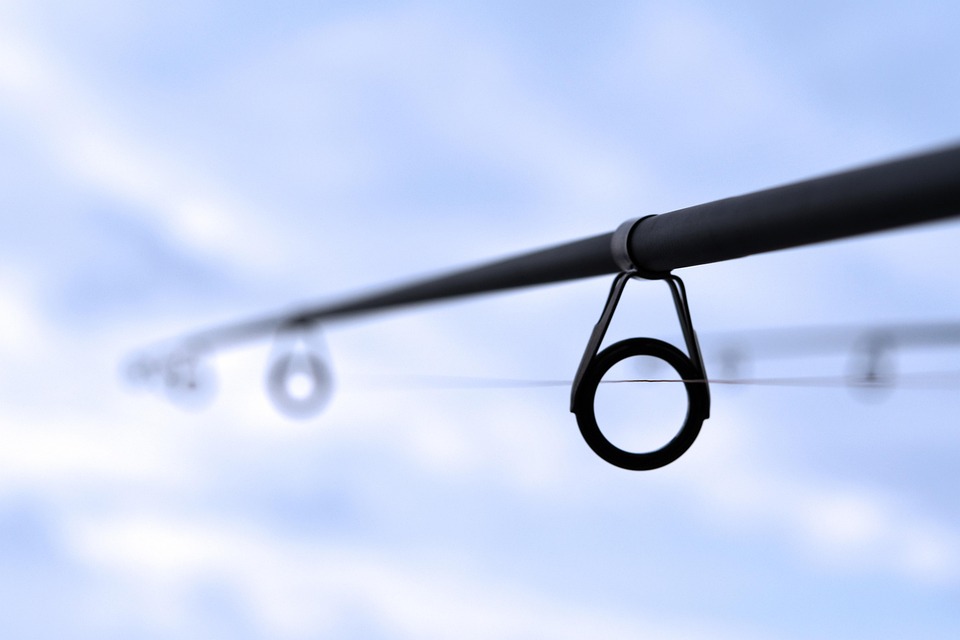
- Medium-Light to Medium Power Rods: A rod with a medium-light to medium action is ideal for walleye fishing. These rods provide the sensitivity needed to detect subtle bites.
- Length: Generally, a rod length of 6 to 7 feet is recommended. Longer rods allow for better casting distance, while shorter rods provide more control.
- Materials: Graphite rods are popular due to their sensitivity and lightweight nature. Fiberglass rods are more durable but may sacrifice some sensitivity.
Choosing the Right Reel
Your fishing reel should complement your rod and the fishing technique you plan to use. Here are some key considerations:
- Spinning Reels: These reels are versatile and easy to use, making them well-suited for beginners. Opt for a reel with a drag system that can handle 6-12 lb test lines.
- Baitcasting Reels: For more experienced anglers, baitcasting reels provide better control and precision. Look for a low-profile design for easier handling.
- Gear Ratio: A gear ratio between 6:1 and 7:1 is ideal for walleye fishing, allowing for a quick retrieval speed.
Line Types and Techniques
The fishing line is your connection to the fish, and selecting the right one can significantly impact your success. Here are key tips:
- Monofilament Line: This is an excellent choice for walleye fishing due to its stretch and flexibility. A 10-12 lb test line is generally recommended.
- Braided Line: Braided lines offer high sensitivity and minimal stretch, making them suitable for finesse techniques. A 10-15 lb test line can work well.
- Fluorocarbon Leader: Adding a fluorocarbon leader can increase invisibility underwater, especially in clear waters. Use a 4-8 lb test line for the leader.
Effective Lures and Baits
Walleye are known to respond well to various lures and baits. Here are some popular choices:
- Jigs: Jigs are time-tested walleye lures. Use them with soft plastic trailers or live bait like minnows.
- Crankbaits: These mimic the movement of wounded fish and can be effective, particularly during the spring and fall.
- Spinnerbaits: Great for covering water quickly, spinnerbaits can attract walleye in less structured areas. Use them when fishing in shallow waters.
- Live Bait: Leaches, minnows, and nightcrawlers are all effective live bait options. They can be rigged on jigs or a simple bobber.
Clothing and Footwear
While gear is essential, dressing appropriately for your fishing trip is equally important:
- Layered Clothing: Dress in layers so you can adjust to changing weather conditions. Consider moisture-wicking fabrics as a base layer.
- Rain Gear: A durable, waterproof jacket can save the day if you encounter unexpected showers.
- Footwear: Supportive shoes or waders can help keep you comfortable and dry while standing for long periods. Non-slip soles are essential to prevent accidents on wet surfaces.
Essential Accessories
In addition to rods, reels, and lines, a few accessories can enhance your walleye fishing experience:
- Tackle Box: A sturdy tackle box can help you stay organized and ensure easy access to your gear.
- Fish Finder: A fish finder can help you locate walleye more effectively, significantly improving your catch rates.
- Net: A quality landing net with a rubberized mesh can help you safely catch and release walleye.
- Cooler: If you’re keeping your catch, ensure you have a good cooler to keep your fish fresh.
- First Aid Kit: Always be prepared and carry a first aid kit for any minor accidents or injuries while on the water.
Safety Guidelines
Your safety should always come first. Here are some essential safety tips:
- Wear a Life Jacket: Even if you’re a strong swimmer, wearing a life jacket is a crucial safety measure, especially in rough waters.
- Stay Hydrated: Bring enough water to keep yourself hydrated, particularly during hot days.
- Know Your Limits: Be cautious and avoid taking unnecessary risks, especially in unpredictable weather.
- Let Someone Know: Always inform a friend or family member about your fishing plans, including your expected return time.
Conclusion
Fishing for walleye can be a rewarding experience, but success often hinges on having the right gear. From selecting the appropriate rod and reel to choosing lures and baits that will draw in walleye, each piece of equipment plays a vital role in enhancing your fishing experience. Remember to dress appropriately, consider safety, and always enjoy the adventure of fishing.
FAQs
What is the best time of year to fish for walleye?
Walleye fishing is often best in the spring during their spawning season and again in the fall when they are actively feeding. Early mornings and late evenings also provide prime fishing opportunities.
Can I catch walleye from shore?
Yes! While many anglers prefer boats, you can catch walleye from the shore, particularly at points, drop-offs, and near structures like rocks or weeds.
What’s the best way to clean walleye?
To clean walleye, scale the fish, then make a cut behind the gills down to the backbone. Run your knife along the spine to remove the fillet. Repeat on the other side, removing any bones.
What type of bait should I use for walleye?
Walleye can be caught using various baits such as jigs with soft plastics, live bait like minnows or leeches, and artificial lures like crankbaits or spinnerbaits. Experimentation is key!
Do I need a fishing license to fish for walleye?
Yes, a fishing license is required in most regions. Check your state or province’s regulations for specific requirements regarding licensing.
- bass fishing
- Bluegill Fishing
- carp fishing
- catfish fishing
- Crappie Fishing
- freshwater angling
- freshwater bait fishing
- freshwater fishing
- freshwater fishing gear
- freshwater fishing guides
- freshwater fishing species
- freshwater fishing techniques
- freshwater fishing tips
- freshwater fly fishing
- freshwater spinning fishing
- inland fishing
- lake fishing
- lakes fishing
- largemouth bass fishing
- muskie fishing
- panfish fishing
- Perch Fishing
- pike fishing
- pond fishing
- reservoir fishing
- reservoirs fishing
- river fishing
- rivers fishing
- Salmon Fishing
- smallmouth bass fishing
- stream fishing
- Tilapia Fishing
- Trout Fishing
- Walleye Fishing










Leave a comment