










Fishing is more than just a hobby; it’s a cherished pastime that goes back thousands of years. Whether you’re a novice or an experienced angler, there’s always something new to learn. In this feature article, we delve into the top 10 fishing tips that can elevate your fishing game, helping you have a more enjoyable and rewarding experience on the water.
1. Research Your Fishing Location
Before you cast your line, take some time to research the body of water you’ll be fishing in. Each location has its unique ecosystem and fish species. Consider factors like:
- Local Regulations: Always check for fishing regulations, including licenses and catch limits.
- Peak Fishing Times: Fish are more active at specific times of day and during certain seasons.
- Weather Patterns: Weather can significantly affect fish behavior; cloudy days can often yield better catches.
2. Choose the Right Gear
Your fishing gear can make or break your experience. Understanding the right equipment for your target species is crucial. Key components include:
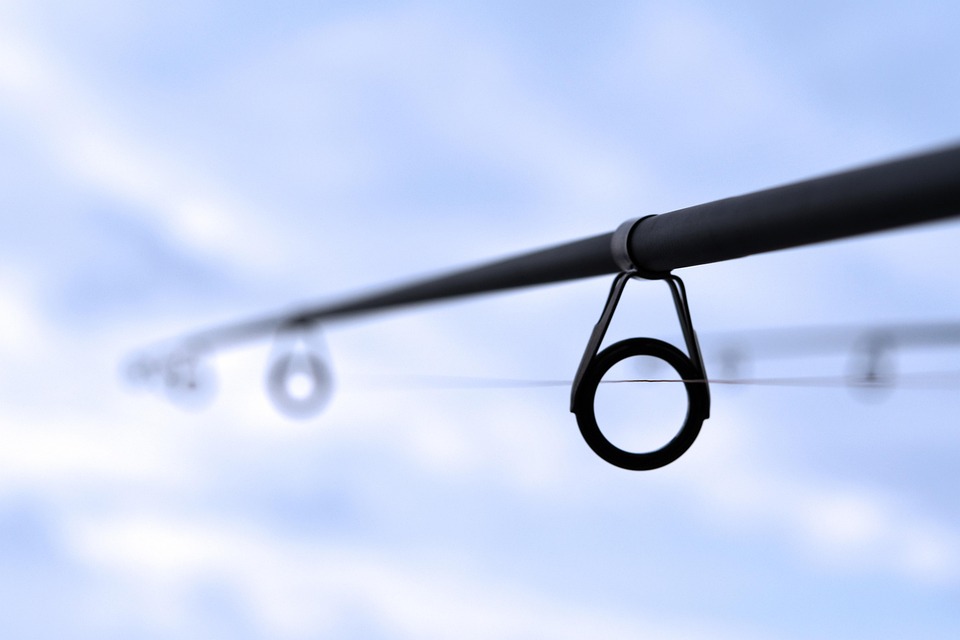
- Rod and Reel: The type of fish you target should dictate your choice of rod and reel.
- Line: Line strength and type (monofilament, braided, or fluorocarbon) can impact your success.
- Baits and Lures: Research what works best in your chosen location for the species you want to catch.
3. Master Casting Techniques
Precision in casting can be the difference between a successful fishing trip and a frustrating one. Practice the following techniques:
- Overhead Cast: This is the most common casting technique. Perfect it to reach farther distances.
- Sidearm Cast: Useful for low-hanging branches and obstacles.
- Roll Cast: Best for short distances, especially in tight spaces.
4. Understand Fish Behavior
Learning about fish behavior is essential. Different fish respond to various stimuli. Consider these aspects:
- Temperature: Fish are cold-blooded; their activity levels fluctuate with the water temperature.
- Foraging Patterns: Recognizing when and where fish feed can improve your strategy.
- Spawning Seasons: Knowledge of spawning cycles helps in targeting specific species.
5. Use a Variety of Baits
Experimenting with different baits can yield better results. Here are some options:
- Live Bait: Worms, minnows, and leeches are often irresistible to many fish species.
- Artificial Lures: There are endless varieties designed to mimic the movement of prey.
- Cut Bait: Chunks of fish or other meat can attract larger species.
6. Learn to Read the Water
Understanding how to read water can give you clues about where fish are hiding. Look for:
- Current: Fish often gather in areas with less current.
- Structure: Rocks, fallen trees, and weed beds provide cover.
- Depth Changes: Drop-offs and shelves are prime fishing spots.
7. Patience is Key
The old adage “Patience is a virtue” rings especially true in fishing. Many anglers give up too quickly. Tips to cultivate patience include:
- Stay Comfortable: Bring a chair, snacks, and ensure proper clothing for the weather.
- Meditative Mindset: Use this time to relax and enjoy the surroundings.
- Set Small Goals: Set specific targets for the day, like catching a single fish, to help keep your focus.
8. Stay Safe and Respect Nature
Safety and environmental respect should always come first. Important considerations include:
- Wear a Life Jacket: Always have one on, especially if you’re fishing from a boat.
- Stay Hydrated: Keep water on hand to avoid dehydration.
- Follow Conservation Practices: Practice catch and release, and do not litter.
9. Keep a Fishing Journal
Record keeping can help you learn from your past experiences. In your fishing journal, include:
- Date and Time: Document when you fish for patterns.
- Weather Conditions: Note temperature, weather patterns, and water clarity.
- What Worked and What Didn’t: Analyze successful bait and techniques.
10. Connect with Other Anglers
Building a community can greatly improve your fishing skills. Consider participating in:
- Local Fishing Clubs: Networking with other anglers can provide valuable tips and insights.
- Online Forums: Join fishing forums to ask questions and share experiences.
- Workshops and Clinics: These can enhance your skills through hands-on learning.
Conclusion
Fishing is an art that requires practice, patience, and a good understanding of nature. By following these ten tips, you’re not just improving your chances of catching fish; you’re also enriching your experience as an angler. Whether you’re fishing solo, with family, or friends, these principles can lead to more successful and pleasurable outings on the water. So grab your gear, put on your best fishing hat, and get ready for an adventure. Happy fishing!
FAQs
1. What is the best time to go fishing?
The early morning and late afternoon are often considered the best times, as fish are more active during these periods.
2. What type of fishing rod should I use for beginners?
A spinning rod is recommended for beginners due to its versatility and ease of use.
3. Is catch and release necessary?
Catch and release practices are important for preserving fish populations and ensuring sustainability.
4. How can I improve my casting technique?
Practice regularly and consider asking for feedback from experienced anglers or taking a casting class.
5. What’s the best bait for freshwater fishing?
Live bait like worms, minnows, or artificial lures can be highly effective for freshwater fishing. Experiment to find what works best for you.
- fishing bait tips
- fishing gear hacks
- fishing hacks
- fishing knot guides
- fishing knot techniques
- fishing knot tying
- fishing knots
- fishing knots for advanced
- fishing knots for beginners
- fishing leader knots
- fishing line knots
- fishing loop knots
- fishing lure tips
- fishing rig guides
- fishing rig hacks
- fishing rig setups
- fishing rig tips
- fishing rig tricks
- fishing rigs
- fishing strategies
- fishing techniques
- fishing tips
- fishing tips and tricks
- fishing tips for beginners
- fishing tips for experts
- fishing tips for freshwater
- fishing tips for saltwater
- fishing tips online
- fishing tricks
- fishing tricks for better catch












Leave a comment