
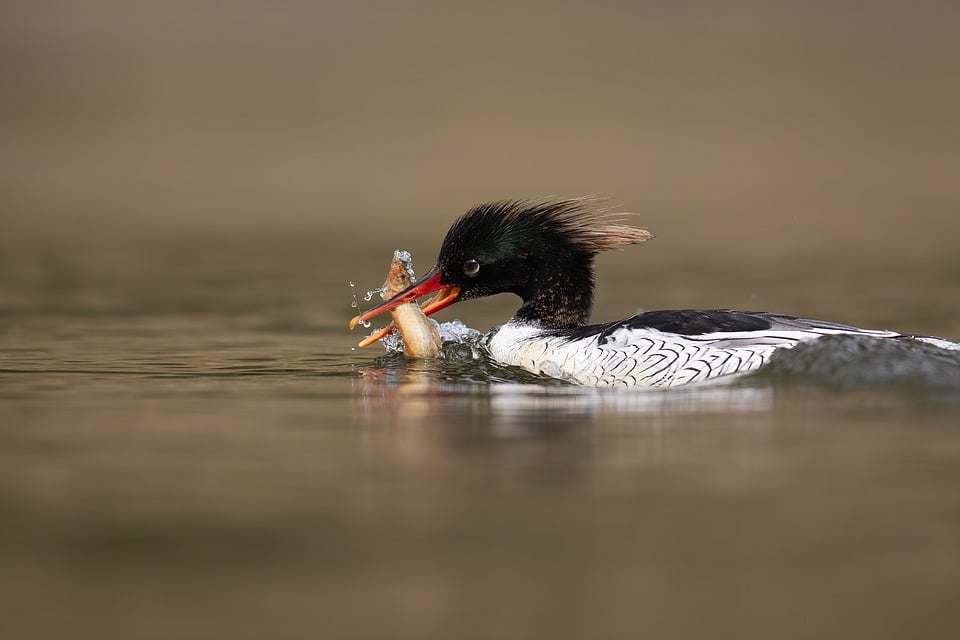


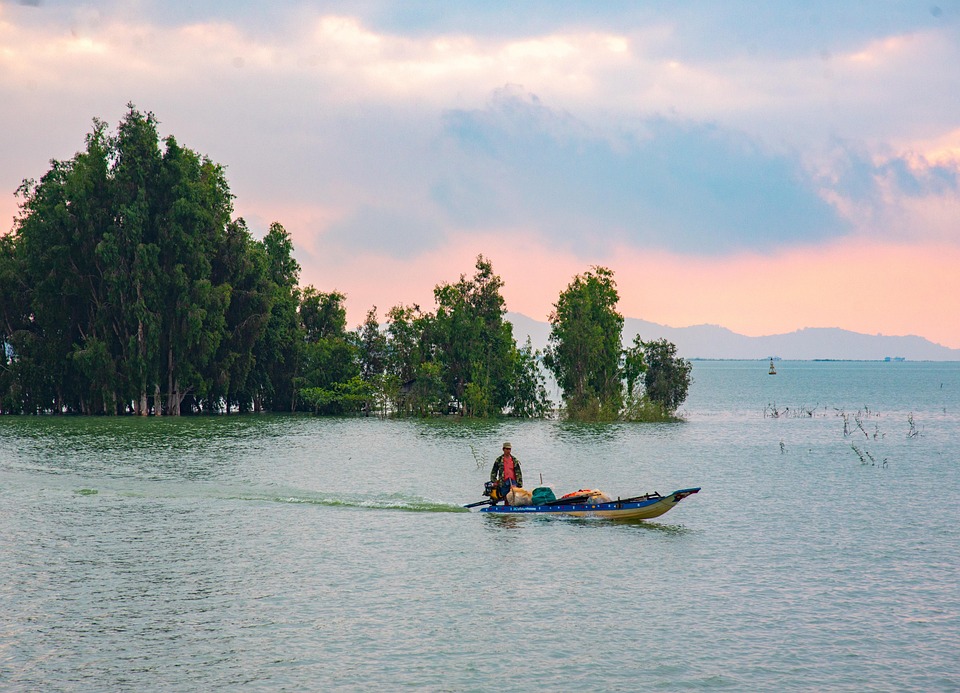





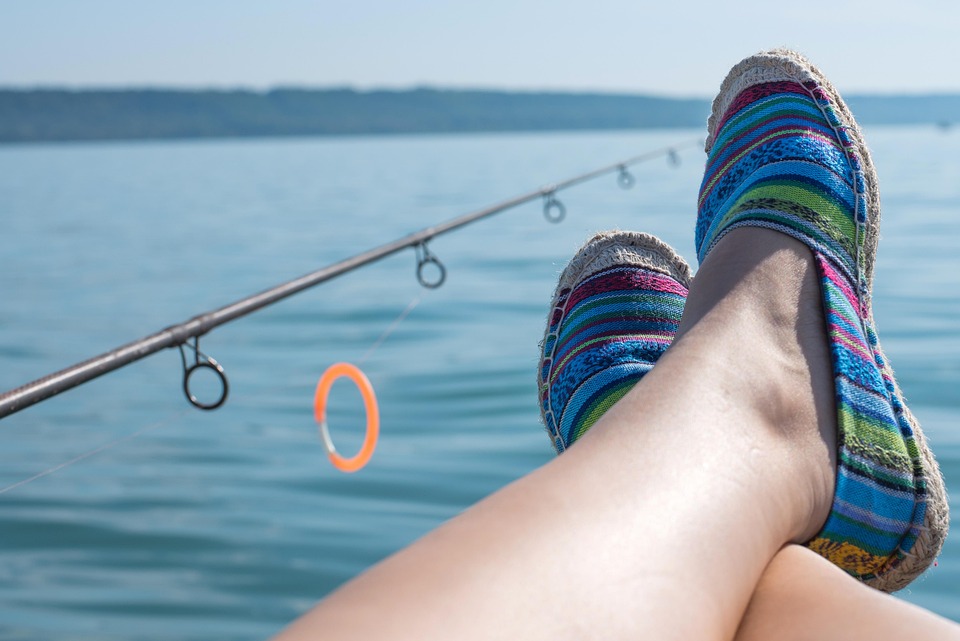

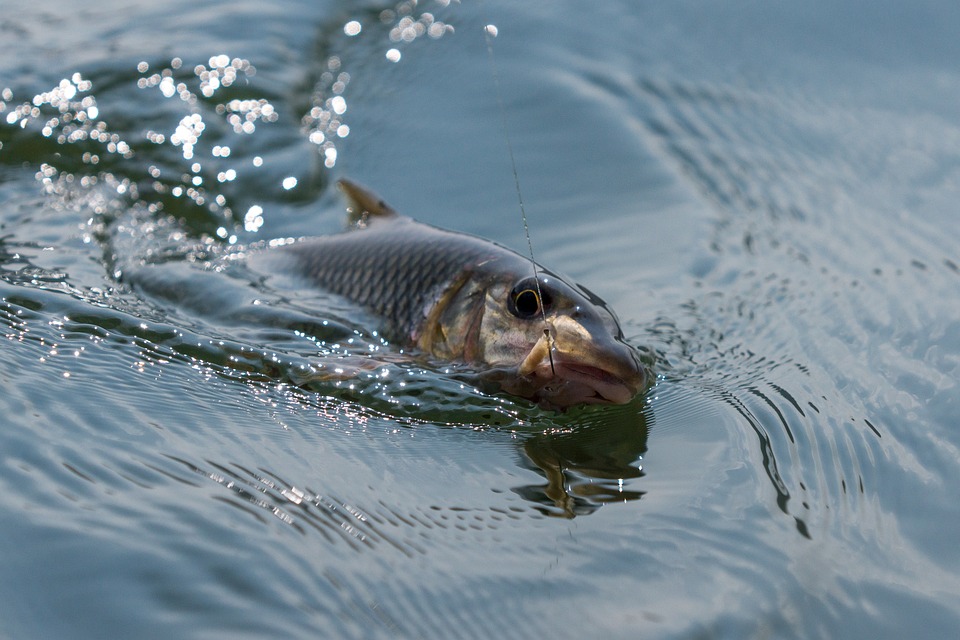
Predator fishing can be one of the most exhilarating experiences for anglers as they pursue species like pike, muskellunge, and bass. These fish are called “predators” not only because of their feeding patterns but also because they offer an adrenaline-filled challenge for those who seek them. To make the most of your time on the water, it’s essential to equip yourself with the right gear. This article will discuss the fundamental tools and equipment that can elevate your fishing success and overall experience.
Understanding the Predator Fish
Before delving into gear specifics, let’s take a moment to understand the key species targeted by predator anglers.
- Pike: Known for their aggressive nature and impressive size, northern pike can grow over 40 inches long. They are often found in weedy bays and are opportunistic feeders.
- Muskellunge: Sometimes called “muskies,” these fish are regarded as the apex predators in many lakes, reaching lengths that can exceed 50 inches. They are notoriously elusive.
- Bass: Both largemouth and smallmouth bass are popular targets among anglers. They are known for their powerful strikes and fighting ability, making them favorites for catch and release.
Essential Gear for Predator Anglers
1. Fishing Rods
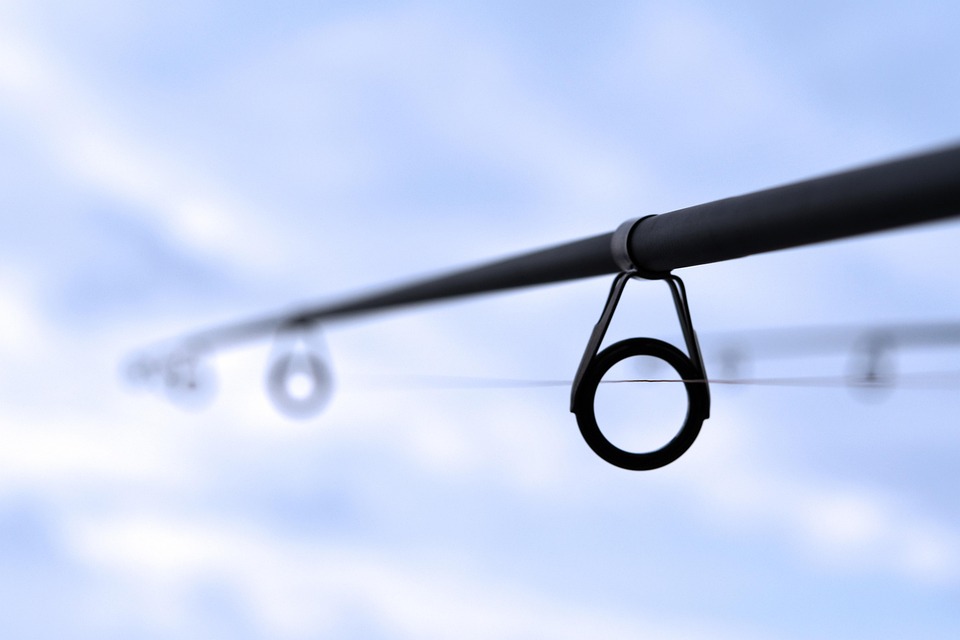
The foundation of your setup begins with a solid fishing rod. Predator fishing requires rods that can handle hefty lures and hefty fish.
- Length: A rod in the 6’6” to 8’ range typically works best. Longer rods help with casting distance and provide leverage while battling big fish.
- Power: Choose medium to heavy power ratings. This allows you to handle aggressive strikes and fight larger predator fish.
- Action: A fast action rod is preferred for quick hooksets, which is crucial when dealing with swift predators.
2. Reels
Your reel is just as critical as your rod, particularly when targeting larger species.
- Type: Baitcasting reels are generally favored for predator fishing due to their high gear ratios and enhanced control. However, spinning reels can also be effective, especially for lighter lures.
- Drag System: Look for a reel with a smooth, dependable drag system. The ability to smoothly release line during a fight can mean the difference between landing a fish and losing it.
- Line Capacity: A reel with ample line capacity is crucial for larger species that often make long, powerful runs.
3. Fishing Line
The fishing line you choose plays a pivotal role in your overall success. Predator fish are notorious for their sharp teeth and abrasiveness.
- Type: Braided line is often the go-to option for predator anglers due to its incredible strength-to-diameter ratio. It resists abrasion and cuts through weeds.
- Weight: A line weight ranging from 30 to 65 lb test is generally ideal, depending on the species being targeted.
4. Lures and Baits
Choosing the right lures and baits is crucial for attracting predator fish.
- Hard Lures: Crankbaits, jerkbaits, and topwater lures can trigger aggressive strikes. They mimic the look and action of injured prey.
- Soft Plastic Baits: Swimbaits and creature baits offer versatility and can be rigged in various ways for different applications.
- Live Bait: For those who prefer a natural approach, using live bait like perch or shiners can be highly effective, especially for larger fish.
5. Terminal Tackle
Your terminal tackle complements your setup and can also influence your success.
- Hooks: Opt for strong, sharp hooks to withstand the strength of predator fish. Circle hooks and treble hooks are common choices, depending on your bait and method.
- Weights and Swivels: Use weights to help your bait sink to the desired depth. Swivels prevent line twists, ensuring a smooth retrieve.
6. Safety Gear
No fishing outing is complete without proper safety equipment. Ensure you have the following:
- PFD (Personal Flotation Device): Whether you’re in a kayak, canoe, or boat, a PFD is essential for safety.
- First Aid Kit: Be prepared for minor accidents, especially while handling hooks and fish.
- Sun Protection: Don’t forget sunscreen, sunglasses, and a wide-brimmed hat to shield yourself from UV rays.
Tips for Success on the Water
Having the right gear is one thing; however, becoming adept at using it is another. Here are tips to maximize your success:
- Know Your Waters: Research the lakes and rivers you’re fishing. Understanding the habitats and behaviors of your target species will give you a significant advantage.
- Time Your Trips: Early morning and late evening are often the most productive times for predator fishing. Fish are more active during these periods, making your chances of success higher.
- Be Patient: Predator fishing can require waiting for lengthy periods. Stay persistent, adapt to changing conditions, and keep trying different techniques until you find what works.
Conclusion
Equipping yourself for predator fishing encompasses more than simply purchasing gear; it involves understanding the species you are targeting and the most effective techniques to catch them. With the right combination of rods, reels, lines, lures, and essential safety equipment, you are well on your way to reeling in the big one. Remember, every angling experience contributes to your knowledge and skills, so enjoy the journey, respect the waters, and celebrate every catch as a victory.
FAQs
What is the best time of year for predator fishing?
The best time of year can vary by species, but early spring and late fall are typically the most productive for pike and muskies. Always consider local fish behaviors and migrations.
What is the best way to store fishing gear?
Keep your gear in a dry, cool place. Use rod racks to minimize bending and ensure that your reels are stored with the drag loose to prevent compression.
How can I improve my casting distance?
Practice makes perfect! Focus on your technique, using smooth, flowing motion. Adjust your equipment to find a balance that works best for you.
Should I use live bait or artificial lures?
It often depends on personal preference and situational effectiveness. Live bait tends to work exceptionally well for larger game fish, while artificial lures are more convenient and often provide better action.
What type of fishing license do I need for predator fishing?
You must have a valid fishing license for your state or province. Check local regulations regarding fishing seasons and size limits for specific species.
- advanced predator fishing
- aggressive fish fishing
- barracuda fishing
- barracuda lure fishing
- freshwater predator fishing
- large predator fishing
- muskie fishing
- muskie lure fishing
- pike fishing
- pike lure fishing
- predator angling
- predator fishing
- predator fishing baits
- predator fishing destinations
- predator fishing for beginners
- predator fishing gear
- predator fishing guides
- predator fishing lures
- predator fishing reels
- predator fishing rigs
- predator fishing rods
- predator fishing seasons
- predator fishing spots
- predator fishing tactics
- predator fishing techniques
- predator fishing tips
- predatory fish fishing
- saltwater predator fishing
- zander fishing
- zander jigging









Leave a comment