










Fishing has always been a dance between man and nature. As fish become more sophisticated and baits more refined, anglers seek innovative methods to enhance their success on the water. One technique that has garnered considerable attention in recent years is slow jigging. This fishing technique promises to revolutionize the way anglers approach their catch, blending efficiency with the thrill of the chase.
Understanding Slow Jigging
Slow jigging originated in Japan and has rapidly gained popularity worldwide due to its effectiveness in targeting pelagic and bottom-dwelling species. Unlike traditional jigging methods that involve quick, vigorous movements, slow jigging focuses on subtle and rhythmic rod movements, mimicking the erratic behavior of wounded prey.
The art of slow jigging leverages the natural curiosity of predatory fish. By presenting the jig in a way that appears injured, anglers can entice species like tuna, snapper, and amberjack, which are drawn to the stirring motions below the surface. As fish become more selective and less prone to chase fast-moving targets, slow jigging provides an avenue to adapt to their behavior.
The Gear: Choosing the Right Equipment
Successful slow jigging begins with selecting the appropriate gear. Here’s a detailed breakdown:
Rods
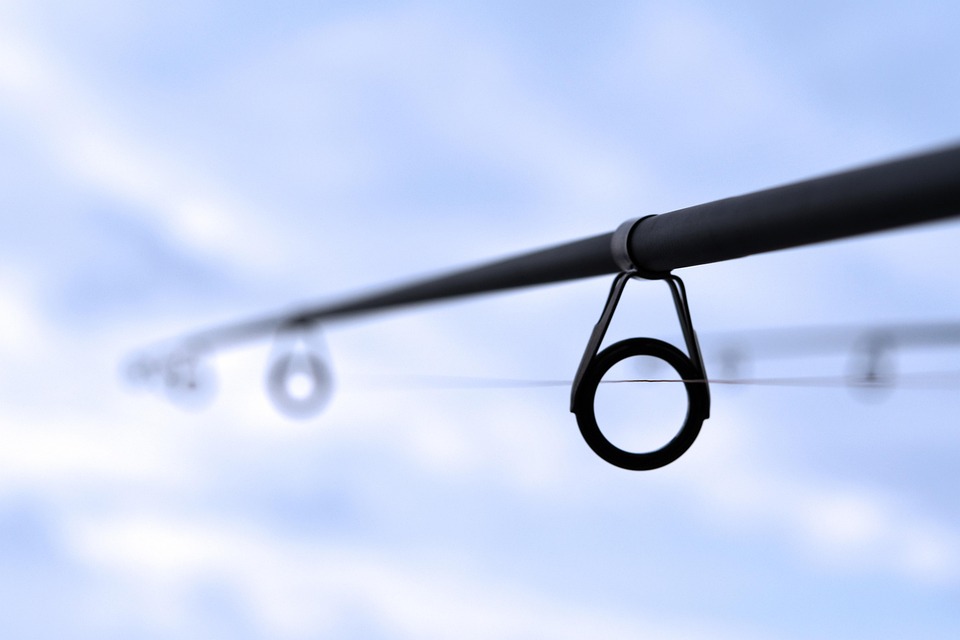
When it comes to rods, look for a lightweight, sensitive rod with a medium to medium-heavy power rating. The length usually ranges between 5.5 to 7 feet. A shorter rod provides better control, allowing anglers to impart subtle movements to the jig.
Reels
Pairing your rod with a high-quality spinning or baitcasting reel is paramount. Opt for a reel with a smooth drag system; this is crucial when reeling in larger catches. A gear ratio of around 5:1 is ideal, offering a balance between speed and power.
Lines and Leaders
Use braided lines for their minimal stretch, allowing for better sensitivity and control over your jig. Depending on the targeted species, lines can range from 30 to 80-pound test. A fluorocarbon leader, typically 20 to 30-pound test, helps reduce visibility underwater.
Jigs
Jig selection is perhaps the most critical element. Slow jigs typically range from 80 to 300 grams. They often feature a flat body and a single hook, designed to flutter through the water column. Selecting the right color and size is essential, as factors like water clarity and time of day can influence fish behavior.
Technique: How to Master Slow Jigging
Mastering slow jigging involves both technique and practice. Here’s a step-by-step guide:
1. Find the Right Location
Identify areas where predatory fish are likely to be present, such as underwater structures, drop-offs, and current seams. Research local fishing reports and consult with experienced anglers to pinpoint hot spots.
2. Drop Your Jig
Once you’ve located your target area, drop your jig straight down to the desired depth. This could range from 30 to 200 feet, depending on the species you’re targeting. Use a fish finder to ensure you’re at the right depth where fish are congregating.
3. Work the Jig
Now comes the art of the technique. Use short, rhythmic lifts of the rod tip, allowing the jig to fall naturally between each lift. This method creates an enticing flutter that mimics an injured baitfish. Maintain a steady retrieve and be attentive to any changes in resistance that may indicate a bite.
4. Be Patient
Patience is essential. Often, fish will take a moment to strike, so don’t rush the retrieve. After each drop, give it time, as predatory fish may be watching your jig from a distance.
5. Set the Hook
When you feel a strike, resist the urge to immediately jerk the rod. Instead, wait for the fish to fully take the bait, then execute a firm, upward motion to set the hook.
Why Slow Jigging Works
Slow jigging’s effectiveness lies in its ability to mimic the natural movements of prey. Predatory fish often prefer injured or struggling bait. The slow, erratic motion of the jig creates an irresistible target, making it an effective choice in many fishing conditions.
Additionally, it allows for fishing at various depths, making it suitable for different species. As fish behavior changes with seasons and water conditions, the adaptability of slow jigging highlights its versatility.
Real-World Applications: Success Stories
Numerous anglers have reported impressive results using slow jigging techniques. From the clear waters of the Florida Keys to the rocky shores of New Zealand, slow jigging has proven itself time and time again.
For instance, John Smith, an avid angler from California, shared his experience: “After switching to slow jigging, I noticed a dramatic increase in my catch rates. I was landing larger fish within hours and enjoyed the challenge it brought.” His story echoes the sentiments of many anglers who have embraced this method.
The Environmental Impact
As fisheries face increasing pressure from overfishing, the practices that anglers adopt can significantly impact marine ecosystems. Slow jigging is considered a more sustainable method of fishing, as it allows for the targeted capture of specific species while minimizing bycatch.
By selectively targeting larger predators, anglers can help maintain population balances and contribute positively to the environment. Moreover, practicing catch-and-release with slow jigging can enhance conservation efforts, allowing anglers to connect with nature while preserving it for future generations.
Conclusion
Slow jigging represents a paradigm shift in the fishing community, mixing finesse, technique, and sustainability. From its origins in Japan to its global rise, it caters to both novice and seasoned anglers looking to enhance their experience on the water. By unlocking the secrets of slow jigging, anglers can approach their craft with renewed energy and creativity, ultimately transforming their fishing expeditions.
- advanced fishing techniques
- artificial bait fishing
- bait fishing
- boat fishing methods
- casting fishing
- deep sea fishing techniques
- drift fishing
- fishing knots techniques
- fishing methods
- fishing methods for beginners
- fishing rigs methods
- fishing strategy tips
- fishing techniques
- fly fishing techniques
- freshwater fishing techniques
- inshore trolling
- jigging fishing
- live bait fishing
- lure fishing methods
- modern fishing techniques
- offshore trolling
- popping fishing
- professional fishing methods
- saltwater fishing techniques
- shore fishing methods
- slow jigging
- spinning fishing
- topwater popping
- trolling fishing
- vertical jigging













Leave a comment