










The thrill of fishing is not just about the catch; it’s about the experience, the serenity, and the joy of being one with nature. For many anglers, panfish are the perfect companions during this journey. Their abundance, taste, and the excitement they bring make them a favorite among beginners and seasoned anglers alike. This article dives deep into the world of panfish fishing, focusing on the tidal areas, pinpointing the best techniques, the ideal seasons, and how to master the art of panfishing.
Understanding Panfish
Panfish is a term that encompasses several species, including bluegill, crappie, perch, and sunfish. They are typically small, versatile fish known for their delicious fillets and widespread availability. Each species offers unique characteristics.
- Bluegill: Oval-shaped with a flat body, bluegills are aggressive feeders and often found in lakes and ponds.
- Crappie: Known for their distinctive black or white speckles, crappies are highly sought after due to their firm, tasty flesh.
- Yellow Perch: Recognized by their striking yellow color and vertical black bars, perch are found in both freshwater and brackish waters.
- Sunfish: More commonly known as pumpkinseed, these fish are easily identifiable by their colorful patterns and are often found in shallow waters.
The Ideal Tidal Seasons for Panfish
The tidal areas provide a unique ecosystem where saltwater meets freshwater, creating an ideal environment for a variety of marine life, including panfish. Timing your fishing adventures with the seasons can significantly increase your chances of a successful catch.
Spring: A Time of Awakening
As the ice melts and temperatures rise, spawners like bluegill and crappie become active. Spring is arguably the best time to fish for panfish. Males establish nests near the shore, eagerly protecting their young, making them more susceptible to anglers.
Summer: The Heat of the Action
Summer brings warmer waters, which can occasionally decrease fish activity, but panfish can still be found near shaded structures, submerged vegetation, and the cooler depths. Morning and evening are the prime times for fishing, as fish move to the shallower waters to feed.
Fall: The Last Hurrah
As temperatures begin to drop, panfish prepare for winter. This transitional period can provide a fantastic fishing experience as fish increase their feeding to gather energy reserves. Look for panfish in areas with abundant food sources.
Essential Gear for Panfishing
Choosing the right gear can make all the difference in your fishing experience. The essentials include:
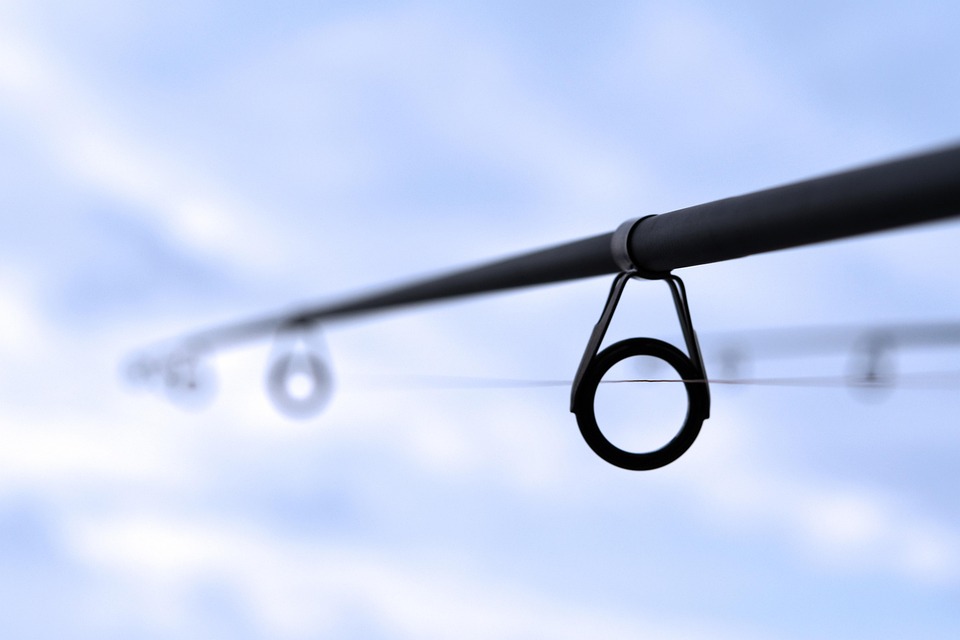
- Rod and Reel: A light to medium-light spinning rod with a matching reel can provide the sensitivity needed for these smaller fish.
- Line: A 4-8 lb test monofilament line is recommended for easy casting and increased sensitivity.
- Baits: Live bait such as worms, crickets, or minnows are effective, as well as artificial lures like jigs and spinners.
- Other Accessories: Don’t forget a tackle box, a fishing net, scissors for cutting line, and proper safety gear.
Technique: The Art of Panfishing
Now that you’re equipped with the right gear, honing your techniques becomes crucial. Here are various methods to enhance your panfishing experience:
1. Targeting Areas of Structure
Panfish seek shelter and food around submerged structures such as logs, rocks, and vegetation. Casting near these structures increases your chances of hooking a fish.
2. The Suspended Technique
During warm summer months, panfish often suspend in water columns. Use a bobber setup with a hook about 1-2 feet below the surface, particularly near the edges of weed beds or under overhanging trees.
3. Tidal Movements
Being aware of tides is essential while fishing in tidal areas. Fish are more active as the tide comes in or out. Position yourself accordingly as fish move in and out with the currents.
4. Color and Size of Lures
Experiment with different lure sizes and colors. Bright colors often work well, especially in murky water, whereas natural colors might be beneficial in clearer water.
Conservation and Ethical Fishing Practices
As anglers, it is our responsibility to ensure the habitats we love remain well-protected for future generations. Adopting conservation measures is paramount:
- Practice catch and release, especially for trophy-size fish.
- Follow local regulations on size and bag limits.
- Be mindful of your surroundings; don’t litter and respect wildlife habitats.
The Joy of Panfishing: A Community Experience
Panfishing is not just an individual activity; it’s a community experience. Many anglers share tales of large catches, secret locations, and tips for success. Joining local fishing clubs or participating in community events can enhance your fishing journey.
Moreover, it’s a wonderful way to introduce children and newcomers to the sport, fostering a love for the outdoors and an understanding of environmental stewardship.
Conclusion
Panfishing in tidal areas promises an engaging experience intertwined with nature’s rhythms. Whether you’re casting your line at dawn, navigating shifting tides, or sharing stories with fellow anglers, the adventure is multifaceted. By understanding the habits of panfish, harnessing the right gear, and practicing ethical fishing, you can greatly enhance your fishing season. So grab your tackle box and embark on this delightful journey, where every catch is not just a fish but a story waiting to be told.
FAQs
What types of panfish are commonly found in tidal waters?
Common panfish species in tidal waters include bluegill, crappie, yellow perch, and pumpkinseed sunfish.
When is the best time to fish for panfish in tidal areas?
Spring is typically the best season due to spawning activity, but fall also offers excellent opportunities as fish prepare for winter.
What bait is most effective for panfishing?
Live bait such as worms, minnows, and crickets are highly effective. Artificial lures like jigs and spinners can also be successful.
How can I practice ethical fishing?
Follow local regulations on size and bag limits, practice catch and release, and respect the natural environment by not littering or damaging habitats.
Is tidal fishing more complicated than freshwater fishing?
While it can present unique challenges due to tides and currents, many anglers find it rewarding. Understanding tidal movements and adapting your techniques can lead to successful fishing.
- bait fishing seasons
- bass fishing seasons
- best fishing times
- bluegill fishing seasons
- carp fishing seasons
- catfish fishing seasons
- crappie fishing seasons
- fishing seasons
- fly fishing seasons
- inshore fishing seasons
- jigging seasons
- marlin fishing seasons
- muskie fishing seasons
- offshore fishing seasons
- panfish fishing seasons
- pike fishing seasons
- popping seasons
- sailfish fishing seasons
- salmon fishing seasons
- seasonal fishing for beginners
- seasonal fishing guides
- seasonal fishing guides worldwide
- seasonal fishing strategies
- seasonal fishing tips
- shark fishing seasons
- spinning fishing seasons
- trolling seasons
- trout fishing seasons
- tuna fishing seasons
- walleye fishing seasons
- zander fishing seasons










Leave a comment