


















Fishing isn’t merely a pastime; it’s a way of life for many anglers. With its deep-rooted traditions, exhilarating experiences, and, of course, the thrill of the catch, fishing is deeply influenced by seasonal changes. To maximize success on the water, adapting your techniques to shifting seasons is essential. In this article, we’ll delve into the characteristics of different seasons and how to modify your fishing strategies accordingly, ensuring that you stay hooked, no matter the weather.
Understanding Seasonal Patterns
The first step in adapting your fishing techniques is understanding seasonal patterns. Fish behavior varies significantly with changes in temperature, light levels, and the availability of food sources. By tuning into these rhythms, anglers can enhance their effectiveness and success rates.
Spring: The Awakening
Spring is a time of rejuvenation. As the water temperatures rise, fish become more active after the lethargy of winter. This is the prime time for spawning, especially for species such as bass and trout.
- Techniques: Focus on shallow water areas where fish are preparing to spawn. Use lighter tackle and finesse techniques, such as drop-shot and wacky rigging.
- Bait: Natural baits like worms and minnows work well, while artificial lures imitating spawning fish can trigger bites.
Summer: The Heat is On
As temperatures rise, fish often seek cooler water options. They might retreat to deeper parts of the lakes or rivers, looking for shade under structures or vegetation.
- Techniques: Fishing in the early morning or late evening when temperatures are cooler is effective. Use heavier lures to cover more water quickly, and look for areas with submerged structures or drops.
- Bait: Topwater lures can be extremely effective during low-light conditions, while jigs and deep-diving crankbaits work well as the sun gets higher.
Fall: The Feeding Frenzy
With the cooling temperatures of fall, fish are usually in a feeding frenzy, preparing for the winter. They are often found in schools, making this season a prime time for anglers.
- Techniques: Use fast retrieval methods to mimic fleeing baitfish. Stay mobile and change locations quickly to find active schools.
- Bait: Work with larger lures that mimic the local baitfish; swimbaits and jerkbaits can provoke aggressive strikes.
Winter: The Challenge
Winter fishing can be daunting, but with the right techniques, it can also be rewarding. Fish often enter a slower metabolic state and become more lethargic.
- Techniques: Ice fishing presents unique challenges, whereas open-water winter fishing requires a lot of patience. Target deep holes and slow your presentation.
- Bait: Smaller lures and live bait work effectively. Consider using dead bait near the bottom for larger predatory species.
Environmental Considerations
Understanding the environment is crucial for successful fishing. Water quality, clarity, and current all affect where fish will be and what techniques will be effective.
For instance, in turbid waters following a rainfall, fish may rely more on their lateral line senses to locate prey, making vibrant lures more attractive. Conversely, in clear waters, subtle presentations and natural colors can yield better results.
Equipment and Gear Adjustments
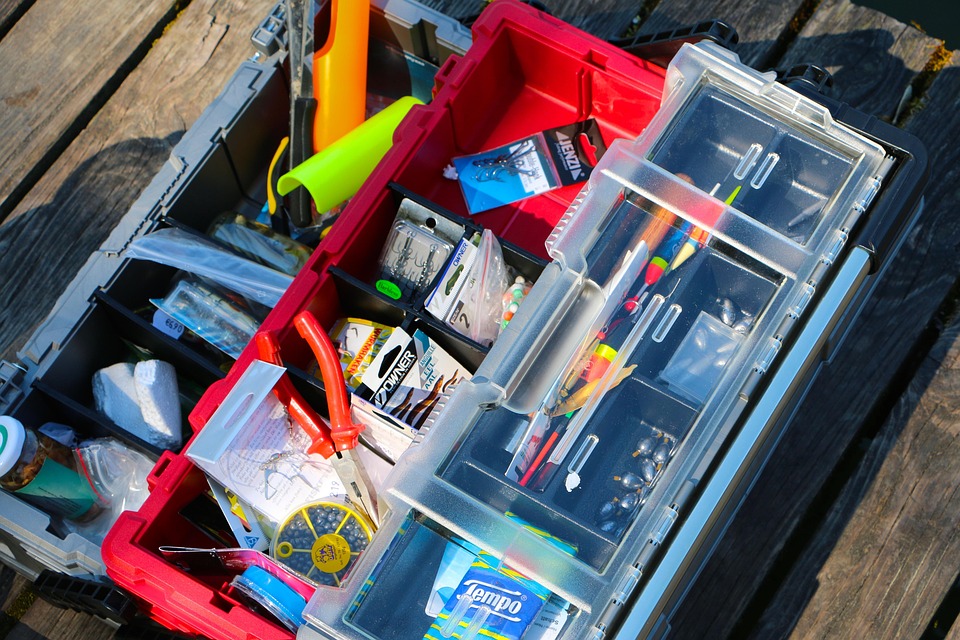
Beyond techniques and bait choices, adapting your equipment according to the season helps in maximizing success. Different conditions require different strategies, so re-evaluating your gear is vital.
Rods and Reels
During warmer months, you may want to switch to lighter rods that offer flexibility for finesse techniques, while in cooler months, a sturdier rod might be necessary for better performance under colder conditions.
Lines
Use lighter lines during spring for better sensitivity, while opting for heavier lines in summer to handle vigorous strikes and thick cover.
Local Knowledge: The Power of Community
Pursuing knowledge of local fishing spots, seasonal patterns, and species behavior through community engagement can provide invaluable insights. Local tackle shops, fishing clubs, and online forums serve as excellent resources for learning about seasonal conditions and techniques that have proven successful.
Fishing guides can also offer personalized advice tailored to the specific waters you fish, helping you to refine your techniques and adapt to seasonal changes.
Staying Ethical: Conservation Methods
As you adapt your fishing techniques, don’t forget the importance of practicing sustainable fishing. Adhering to catch limits, using barbless hooks, and carefully releasing fish helps to preserve fish populations for future generations.
Always check local regulations and guidelines to ensure you’re fishing responsibly and protecting the environment. An ethical angler not only enhances their own experience but actively contributes to the health of the ecosystem.
Conclusion
Success in fishing, much like life, is rooted in adaptability. By harnessing the seasonal changes and modifying your techniques to meet those demands, you will increase your chances of making a memorable catch, no matter the season. Whether you prefer the early morning calm of spring lakes or the excitement of school-feeding in the fall, understanding and embracing changes in your fishing environment can turn an ordinary day on the water into an extraordinary experience. So pack your gear, respect the environment, and embrace the thrill of fishing through all seasons.
FAQs
1. What types of bait work best in each season?
Spring: Worms and minnows; Summer: Topwater lures and jigs; Fall: Larger swimbaits and jerkbaits; Winter: Smaller lures and live bait.
2. How do water temperatures affect fish behavior?
Fish are cold-blooded creatures. Warmer water temperatures generally increase fish metabolism, making them more active, while cooler temperatures can slow them down.
3. What is the best time of day to fish in different seasons?
In spring and fall, early morning and late evening tend to be the most productive times. In summer, fishing during these cooler periods is effective, whereas in winter, mid-day may provide the best results.
4. How can I ensure I’m fishing ethically?
Follow local regulations, use barbless hooks, practice catch and release, and report any illegal fishing activities you witness.
- bait fishing seasons
- bass fishing seasons
- best fishing times
- bluegill fishing seasons
- carp fishing seasons
- catfish fishing seasons
- crappie fishing seasons
- fishing seasons
- fly fishing seasons
- inshore fishing seasons
- jigging seasons
- marlin fishing seasons
- muskie fishing seasons
- offshore fishing seasons
- panfish fishing seasons
- pike fishing seasons
- popping seasons
- sailfish fishing seasons
- salmon fishing seasons
- seasonal fishing for beginners
- seasonal fishing guides
- seasonal fishing guides worldwide
- seasonal fishing strategies
- seasonal fishing tips
- shark fishing seasons
- spinning fishing seasons
- trolling seasons
- trout fishing seasons
- tuna fishing seasons
- walleye fishing seasons
- zander fishing seasons









Leave a comment