










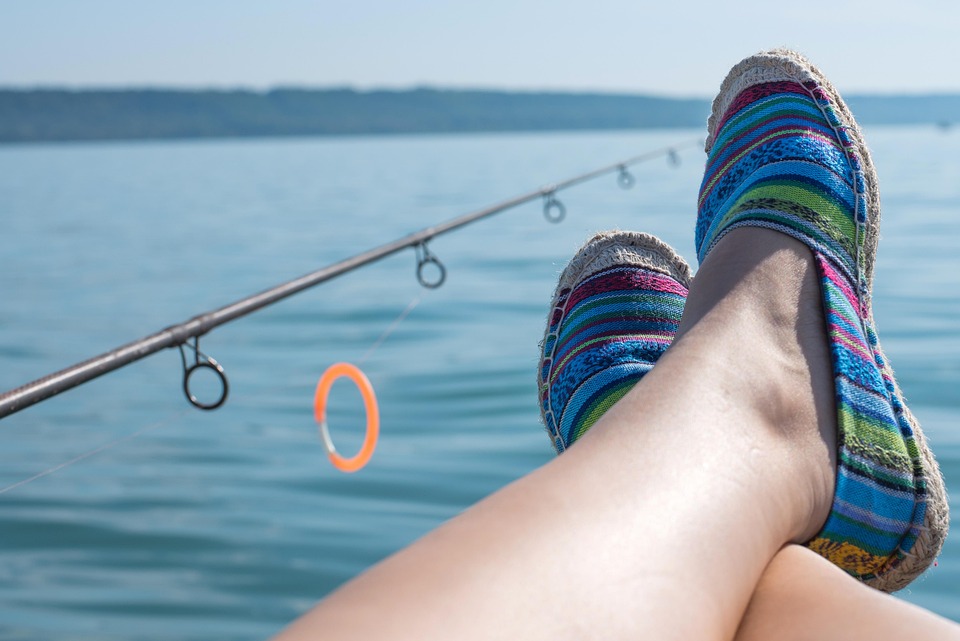


Located in the stunning landscapes of Northwest Montana, Flathead Lake is renowned for its crystal-clear waters and rich fishing opportunities. The lake is teeming with numerous fish species, but none are more sought after than the legendary Flathead catfish. An elusive creature known for its size and strength, catching the big one requires skill, strategy, and a bit of luck. In this feature article, we’ll explore essential tips and techniques to improve your chances of landing a trophy Flathead catfish, and enhance your experience on this beautiful body of water.
The Flathead Catfish: An Overview
The Flathead catfish, or Pylodictis olivaris, is a freshwater fish species that is native to North America. This species is characterized by its broad, flat head, long sleek body, and beady eyes. They can grow remarkably large, with individuals exceeding 50 pounds. They thrive in warm waters and can be found throughout Flathead Lake, particularly in the shallow bays and near rocky structures. Their voracious appetite makes them a challenge and a thrill to catch.
Understanding the Environment
To effectively fish for Flathead catfish, understanding the nuances of the Flathead Lake environment is crucial. The lake’s depth varies, with a maximum depth of about 370 feet, but Flathead cats are often found in shallower waters during warmer months.
- Time of Year: Early summer to late fall is the prime season for Flathead catfishing. As the water warms, these fish move closer to shore to spawn.
- Time of Day: Early morning and late evening are typically the best times to fish, when catfish are most active.
- Weather Conditions: Overcast days tend to produce better fishing, as catfish are less cautious when light levels are low.
Essential Gear and Tackle
Your success in fish-catching largely hinges on having the right gear. Here’s a breakdown of the essentials:
Rods and Reels
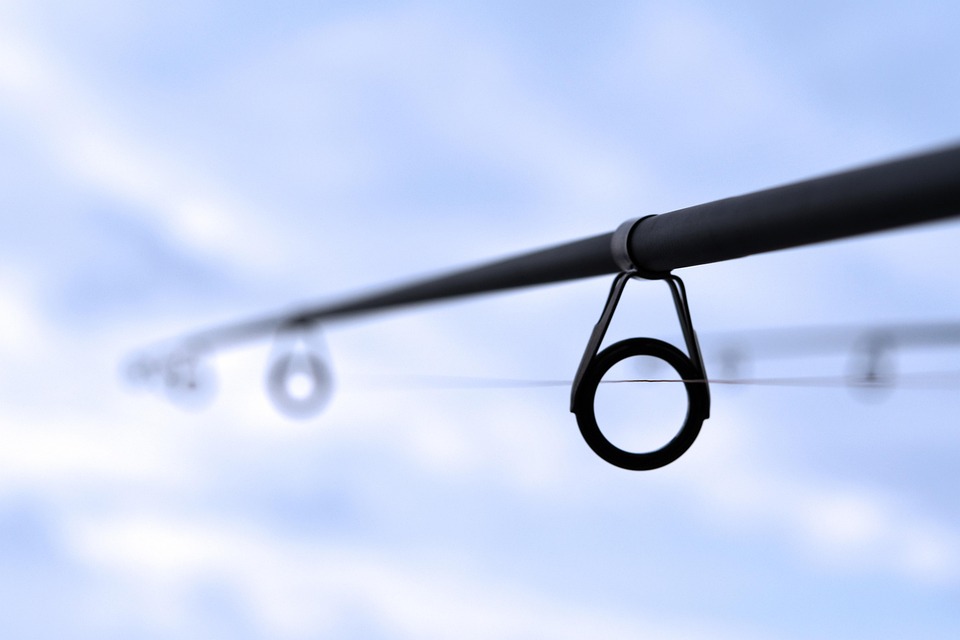
A medium to heavy action rod with a good backbone is recommended for catching Flathead catfish. The rods should be between 6 to 8 feet long, providing both strength and sensitivity. Pair it with a reel capable of holding at least 200 yards of 30 to 65-pound braided line. Braid is preferred for its sensitivity and strength, which is crucial when reeling in a large catfish.
Hooks and Leaders
Circle hooks in sizes 5/0 to 10/0 are ideal for Flathead catfishing. Unlike standard hooks, circle hooks tend to hook fish in the corner of the mouth, making catch and release easier. Use at least a 40- to 80-pound fluorocarbon leader to withstand the catfish’s aggressive tendencies.
Bait Selection
When it comes to bait, Flathead catfish are not picky eaters:
- Live Bait: Striped shiners, bluegills, and carp are preferred. Live bait tends to attract the more massive individuals.
- Cut Bait: Fresh shad or sucker fish can also be very effective. Cut baits should be reasonably sized to entice the larger fish.
- Prepared Baits: Some anglers have success using stink baits or dough balls made from various ingredients.
Techniques for Success
Equipped with the right knowledge and tools, it’s time to delve into techniques that will maximize your chances of landing Flathead catfish:
Strategy and Location
Knowing where to fish is often just as important as what gear to use. Focus on:
- Structure: Fish near fallen trees, rock piles, and drop-offs. Flatheads often hide in these structures.
- Current: Look for areas with slight current, such as eddies around pilings and downed trees. Current attracts baitfish, which, in turn, attracts Flatheads.
- Night Fishing: Catfish are nocturnal and become more active after dark. Consider fishing overnight for the best chance.
Using Electronics
Modern fishing technology can greatly benefit your quest for the big one:
- Fish Finders: Use a fish finder to locate underwater structures and schools of baitfish.
- GPS Navigation: Mark promising spots you encounter, so you can easily return to them.
Patience and Persistence
Flathead catfishing demands patience. Don’t be discouraged if you don’t catch a big one immediately. It may take time for fish to find your bait. Consider changing baits or moving to a new spot if nothing bites in a reasonable time frame.
On the Water: Best Practices
Once you’re out on the water, adherence to best practices can make your fishing trip a success:
- Practice Conservation: Respect local fishing regulations, including size and bag limits. Catch and release practices help conserve Flathead populations.
- Stay Safe: Wear a life jacket and ensure your boat is equipped with necessary safety gear.
- Be Mindful of Weather: Always check weather forecasts and be prepared for sudden weather changes.
Conclusion
Landing a big Flathead catfish in the picturesque Flathead Lake requires more than just luck; it demands preparation, strategic planning, and a genuine respect for the environment. As you equip yourself with the right gear and adopt effective techniques, remember that patience is a key ally in this rewarding pursuit. The thrill of the catch and the breathtaking natural scenery make for an unforgettable experience, creating memories that will last a lifetime. As you gear up for your Flathead Frenzy, may the big one be just a cast away!
FAQs
1. What is the best time of year to fish for Flathead catfish in Flathead Lake?
The ideal time to fish for Flathead catfish in Flathead Lake is from early summer to late fall. This is when the water temperatures are warmer, and catfish are more active.
2. What is the largest Flathead catfish ever caught in Flathead Lake?
While catches vary, Flathead Lake is known for producing catfish exceeding 50 pounds. There have been reports of even larger individuals caught by skilled anglers.
3. What are the best baits for Flathead catfish?
Live bait, such as striped shiners, bluegills, and carp, along with cut bait from fresh shad or sucker fish, are some of the best options for attracting Flathead catfish.
4. Is a fishing license required to fish in Flathead Lake?
Yes, a valid fishing license is required to fish in Flathead Lake. Make sure to familiarize yourself with local regulations regarding size and bag limits.
5. Can I fish for Flathead catfish from a boat or the shore?
Both methods can be effective; however, fishing from a boat allows for greater access to prime fishing locations. You can also cast from the shore in spots with less pressure.
- advanced catfish fishing
- blue catfish fishing
- catfish angling
- catfish bait
- catfish fishing
- catfish fishing for beginners
- catfish fishing gear
- catfish fishing guides
- catfish fishing reels
- catfish fishing rods
- catfish fishing seasons
- catfish fishing spots
- catfish fishing tactics
- catfish fishing techniques
- catfish fishing tips
- catfish hooks
- catfish rigs
- catfish species
- channel catfish fishing
- cut bait catfish fishing
- deep water catfish fishing
- flathead catfish fishing
- lake catfish fishing
- live bait catfish fishing
- monster catfish fishing
- night catfish fishing
- river catfish fishing
- shallow water catfish fishing
- stink bait catfish fishing
- trophy catfish fishing









Leave a comment