










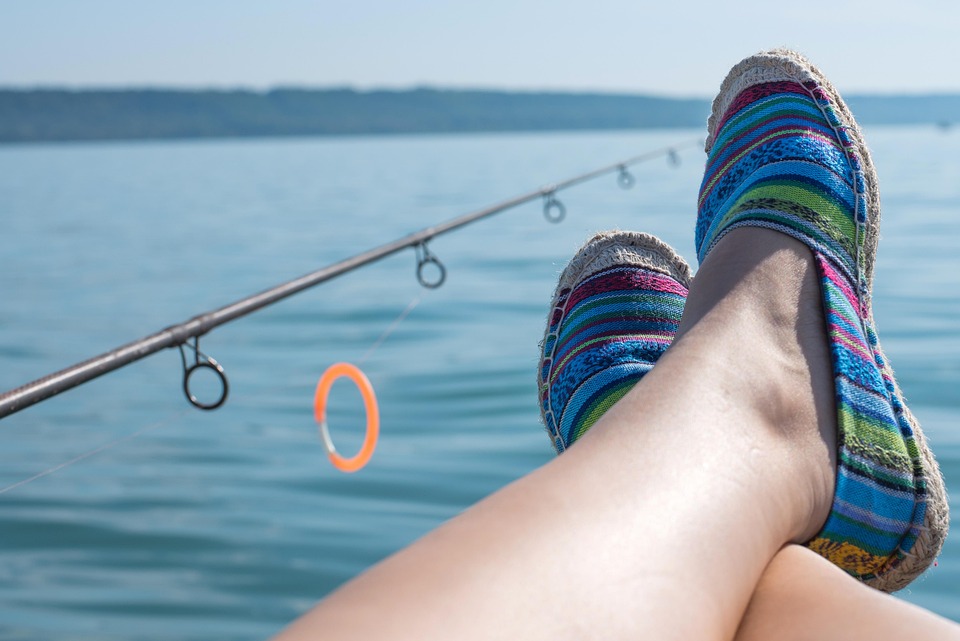


Carp fishing is an art form that draws in enthusiasts from all walks of life. As one of the most popular freshwater fish, carp are not only abundant but also quite savvy, making them a challenging catch. With the right bait and techniques, however, you can reel in some impressive specimens. One of the most effective baits available today is carp pellets. This guide will delve into the world of carp pellets, exploring their types, benefits, best practices, and more, to ensure your next fishing excursion is a successful one.
Understanding Carp Pellets
Carp pellets are versatile bait options created specifically for targeting carp. They come in various shapes, sizes, and flavors, catering to different fishing conditions and carp preferences. Generally made from a mixture of fish meal, cereals, oils, and various attractants, these pellets are designed to release scent and flavor in the water, drawing in carp.
Types of Carp Pellets
- High-Protein Pellets: Typically composed of various fish meals, these pellets are designed to provide a high nutritional value, promoting growth and health in carp.
- Growth Pellets: Specifically formulated for young carp, these pellets promote fast growth rates and are often high in protein and amino acids.
- Summer Pellets: Lighter in composition, these are great for warmer months when carp are more active and feeding at higher volumes.
- Winter Pellets: These contain more oils and nutrients, making them ideal for colder months when carp metabolism slows down.
- Pop-Up Pellets: These are buoyant pellets designed to float, providing a unique presentation that can be effective in attracting interest.
Benefits of Using Carp Pellets
Carp pellets boast numerous advantages compared to traditional bait forms like bread or corn. Here are some key benefits:
- Consistency: Pellets provide a continuous source of food, increasing the chances of drawing in carp over time.
- Ease of Use: Pellets are easy to handle, store, and transport, making them a practical choice for anglers.
- Flavor and Scent: With various flavors and aromas available, carp pellets can be tailored to suit the preferences of the local carp population.
- Nutritional Value: The high level of nutrients in pellets supports the health of carp while also making them more likely to bite.
- All-Weather Performance: Carp pellets can be effective in both warm and cold conditions, providing versatility across seasons.
How to Use Carp Pellets Effectively
Understanding how to effectively use carp pellets is essential for any angler looking for success. Here are some methods:
Baiting Techniques
When it comes to baiting, the method you choose can greatly impact your success. Here are some popular techniques:
- Sock Method: Fill a fine mesh sock with pellets and saturate them with water. Suspend the sock in the water to create a feeding zone.
- PVA Bags: Hide pellets inside a PVA bag to enhance scent dispersal while keeping the area tidy.
- Baiting Up: Use a mixture of different size pellets in your baiting strategy to create a diverse feeding spot for the carp.
Finding the Right Location
Location is key when fishing for carp. Look for areas with plenty of natural cover like weeds or submerged structures. Additionally, carp are often found in shallower waters or near the surface, especially during warmer months.
Timing Your Fishing
Understanding when carp are most active can greatly increase your chances of success. Early mornings and late afternoons are often the best times to fish, particularly in warmer months. Keep an eye on weather conditions; overcast days can lead to increased carp activity.
Seasonal Considerations
Carp behavior changes with the seasons, which can influence your baiting strategies:
- Spring: As the water warms, carp become more active. Use light, high protein pellets to attract spawning carp.
- Summer: Carp are aggressive feeders. Consider using larger, brighter-flavored pellets to catch their attention.
- Autumn: As temperatures begin to drop, switch to nutrient-rich pellets. Carp will start feeding heavily before winter.
- Winter: Use smaller, oil-rich pellets, as carp will feed less but still require energy and nutrition to survive the colder months.
Choosing the Right Pellets
With an array of choices available, selecting the right carp pellets can feel overwhelming. It’s essential to consider the local carp population, water conditions, and even prevailing weather patterns. Engaging with local anglers or fishing forums can provide insights into which pellets have proven effective in specific areas.
Conclusion
Mastering the art of using carp pellets can transform your fishing experience. The benefits they offer, combined with their versatility, make them a leading choice among anglers. By understanding the various types of pellets, knowing when and how to use them, and adjusting your strategies seasonally, you can maximize your chances of a successful haul. Remember, fishing is about patience and skill; the right bait is merely one piece of the puzzle. Embrace these techniques, learn from your experiences, and enjoy every moment spent on the water!
FAQs
What are carp pellets made of?
Carp pellets are typically made from a mixture of fish meal, cereals, oils, and various flavoring agents. The exact ingredients can vary by brand and type of pellet.
How should I store carp pellets?
Carp pellets should be kept in a cool, dry place, away from moisture to prevent spoilage. Airtight containers are ideal to maintain freshness and potency.
Can I use carp pellets with other types of bait?
Yes! Combining carp pellets with other baits such as corn or boilies can create a dynamic approach to attract carp, especially in a mixed-feeding scenario.
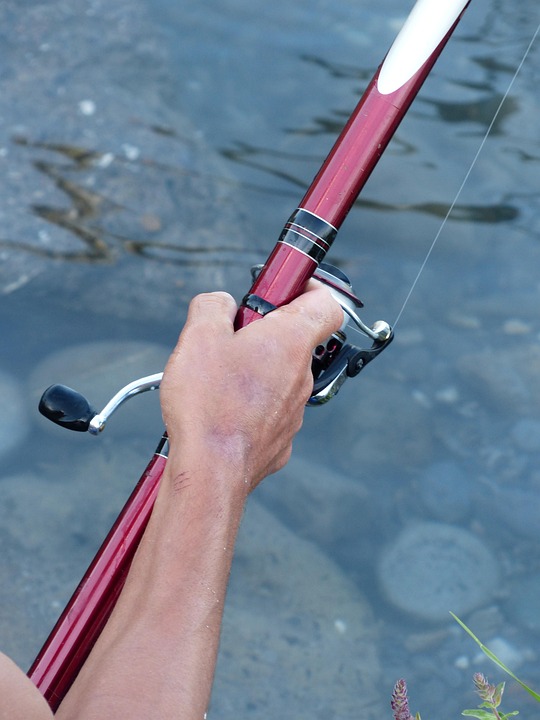
Are there any specific fishing rods I should use with carp pellets?
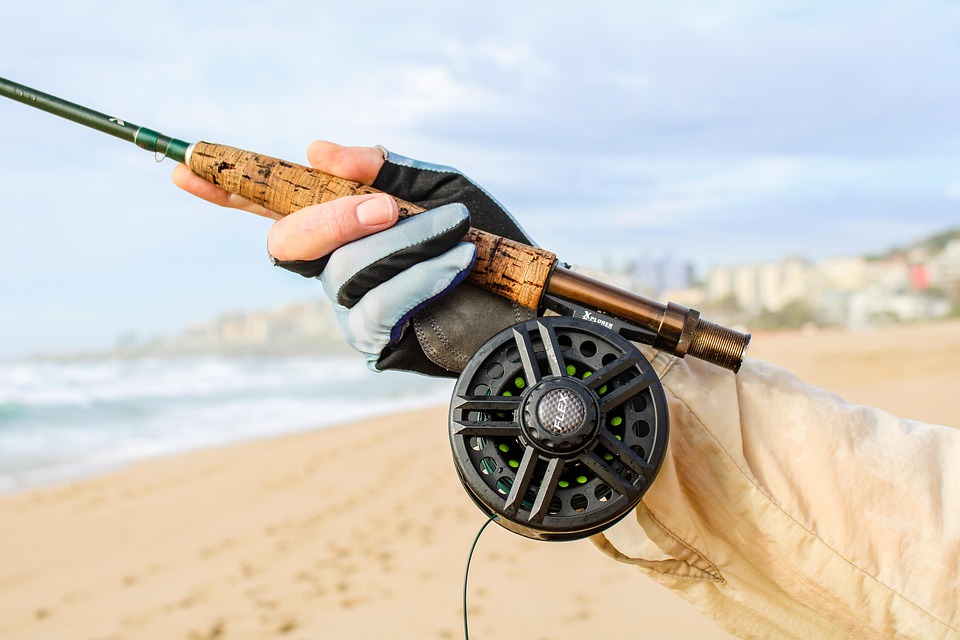
While you can use various rods for carp fishing, a medium to heavy action rod is often recommended to handle the size and strength of carp, especially if you’re targeting larger specimens.
How long do carp pellets last?
If stored properly, carp pellets can last anywhere from several months to a couple of years. Always check for signs of spoilage before use.
- big carp fishing
- carp angling
- carp boilies
- carp feeder fishing
- carp fishing
- carp fishing bait
- carp fishing destinations
- carp fishing gear
- carp fishing guides
- carp fishing holidays
- carp fishing lakes
- carp fishing methods
- carp fishing reels
- carp fishing rigs
- carp fishing rods
- carp fishing techniques
- carp fishing tips
- carp groundbait
- carp hair rig
- carp pellets
- European carp fishing
- France carp fishing
- margin carp fishing
- method feeder carp fishing
- monster carp fishing
- river carp fishing
- Spain carp fishing
- stalking carp
- trophy carp fishing
- UK carp fishing















Leave a comment