









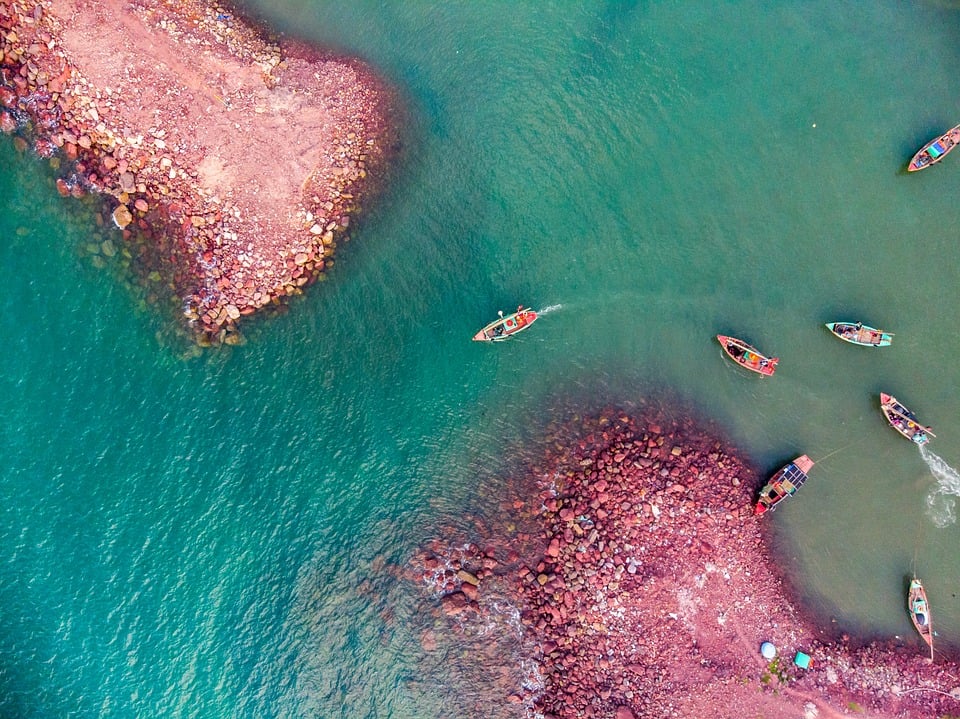
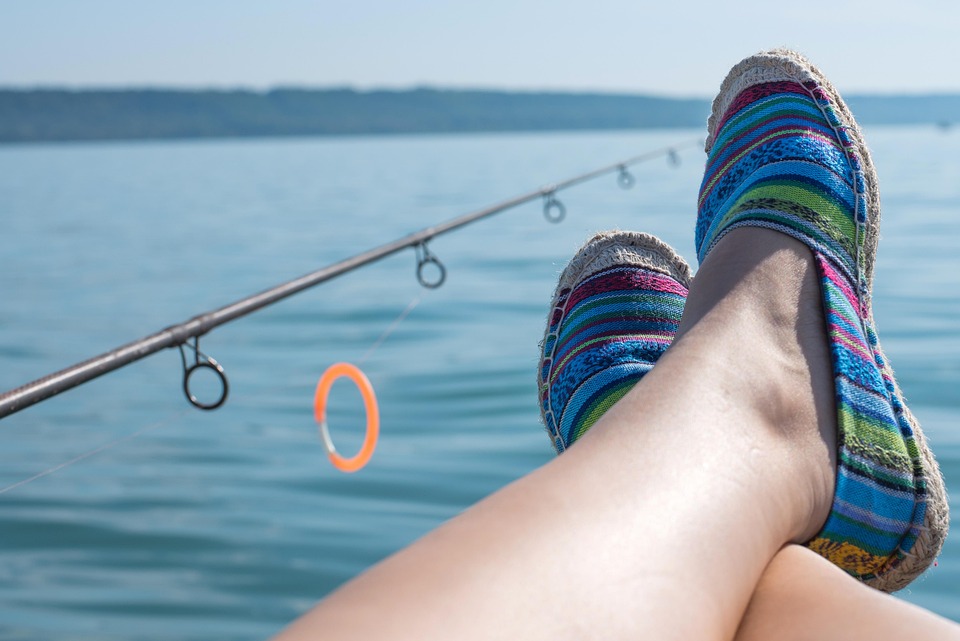


Carp fishing has transcended its humble roots to become a global pastime enjoyed by enthusiasts in various environments—from serene lakes to the bustling banks of rivers. Combining patience, skill, and a respect for nature, successful carp fishing hinges on mastering a myriad of techniques. By delving into the mindset of carp, understanding their behavior, and honing your tactics, you can enhance your chances of landing these elusive fish.
Understanding Carp Behavior
To effectively catch carp, you must first comprehend their habits and preferences. Carp are often described as “bottom feeders,” but this phrase is somewhat misleading. While they do forage along the lakebed for natural food, carp will also venture into different levels of the water column throughout the day.
There are several key factors influencing carp behavior:
- Temperature: Carp are cold-blooded creatures, meaning their activity levels fluctuate with temperature. In warmer waters, they become more active, often feeding aggressively.
- Time of Day: Activity levels typically peak during dawn and dusk, making these ideal times for fishing.
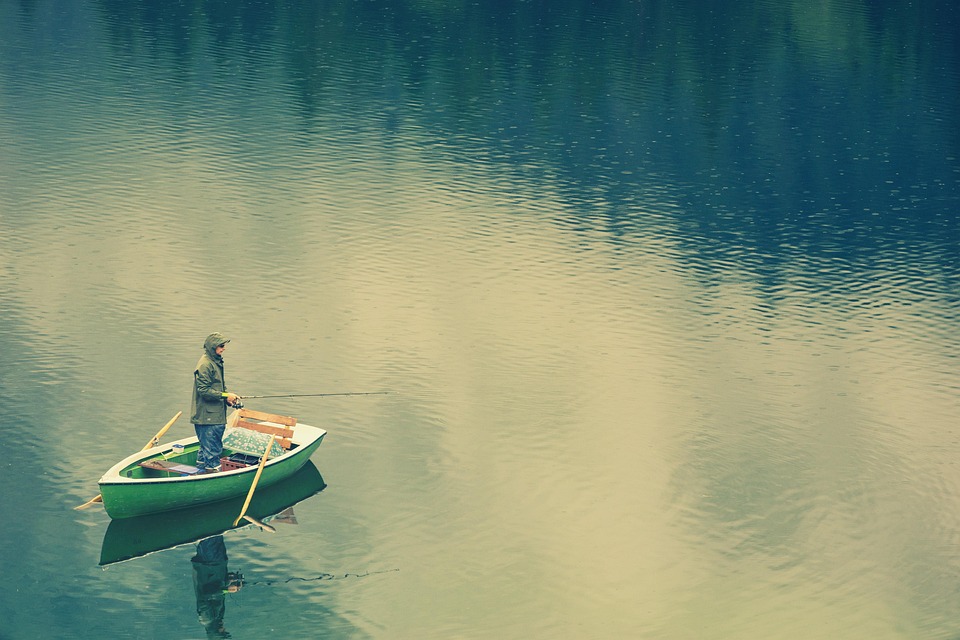
- Weather Conditions: Overcast days or light rain can improve fishing conditions, as carp may feel more secure and less cautious.
Essential Gear for Carp Fishing
Equipped with a solid understanding of carp behavior, you’ll want to ensure your gear is up to the task. Carp fishing can be tackled with various types of tackle and gear, including rods, reels, baits, and other accessories that cater to diverse fishing conditions.
1. Rods and Reels
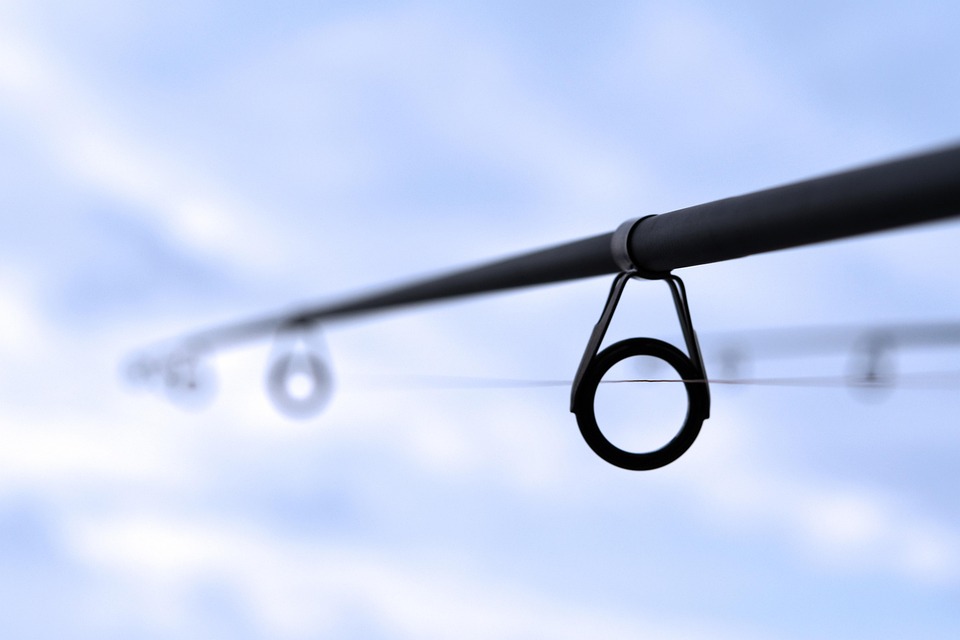
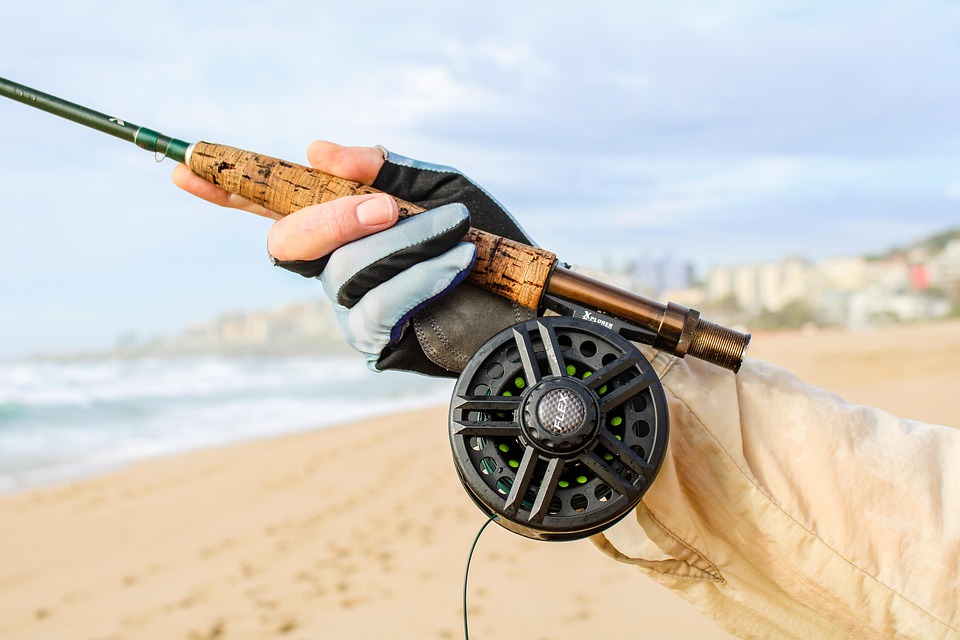
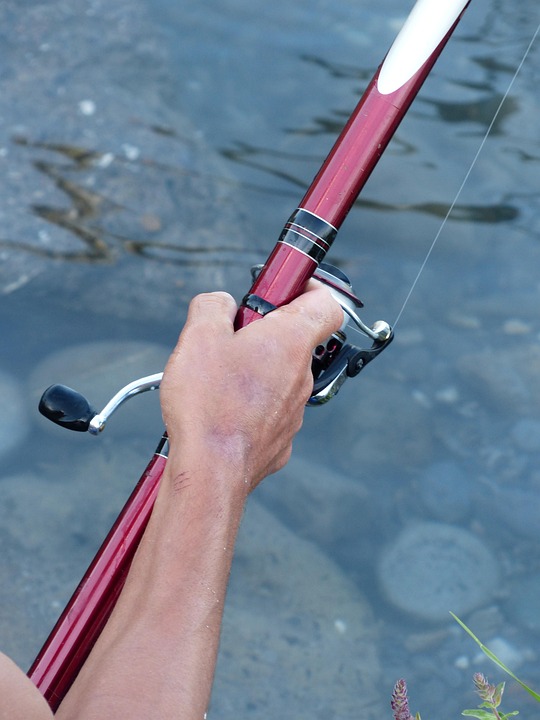
The choice of rod and reel greatly impacts the fishing experience. A medium to heavy-action rod, typically between 10 to 12 feet long, is favorable for carp fishing. These rods provide the leverage needed to cast longer distances and handle the strength of the fish.
Reels should possess a smooth drag system, capable of managing the fierce runs of carp. A baitrunner reel, which maintains a free spool yet allows for controlled line tension, is often recommended.
2. Terminal Tackle
Terminal tackle includes hooks, lines, weights, and swivels. Use strong, abrasion-resistant line in the 15 to 30 lb test range. Hooks should be sharp and strong; the size can range from 4 to 10, depending on the bait style.
3. Bait
Carp are not picky eaters; they are often attracted to both natural and artificial baits. Popular choices include:
- Boilies: These are boiled dough balls that can be flavored and colored to attract carp.
- Sweetcorn: A staple favorite among carp anglers, it’s affordable and effective.
- Pellets: High-protein pellets can work wonders as both bait and ground bait.
Top Techniques for Carp Fishing
Your gear is only as good as the techniques you employ. Here are some proven strategies for successful carp fishing:
1. The Art of Bait Presentation
How you present your bait can be just as crucial as the bait itself. Properly presenting bait in the carp’s feeding zone increases your chances of success. A few techniques to consider include:
- Hair Rig: This simple rig allows the bait to hang off the hook, enticing the carp to swallow it whole.
- Method Feeder: Fill a round or flat feeder with ground bait and attach your hookbait to it, drawing carp in with the aroma and taste.
2. Spotting the Right Location
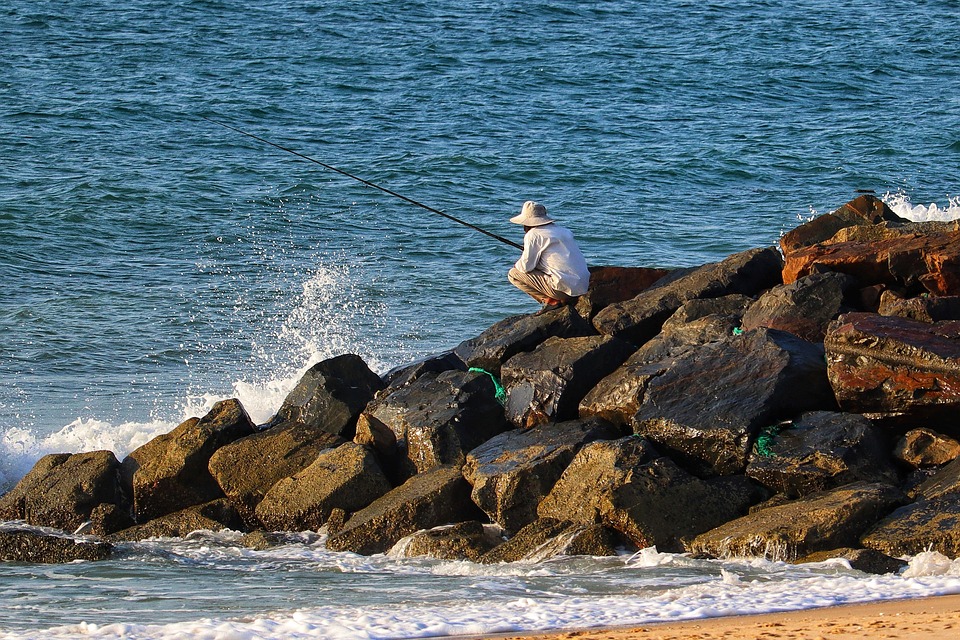
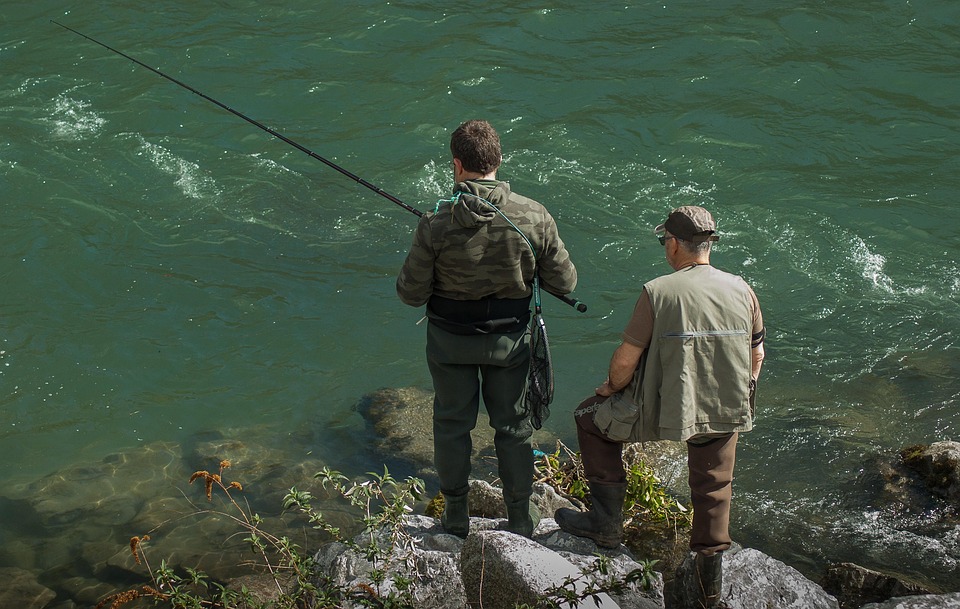
Selecting a lucrative fishing spot is fundamental. Look for areas with:
- Structure: Fallen trees, rocks, or weed beds can serve as shelter for carp.
- Feeding Areas: Observe signs of feeding activity, such as surface bubbles or visible carp.
- Depth Changes: Carp often congregate where the bottom depth varies, as this can affect their feeding behavior.
3. Using Ground Bait
Ground bait can be a game-changer when it comes to attracting carp. By mixing specific ingredients, you can create a potent bait that spreads over a large area, enticing fish to the spot. Common components include breadcrumbs, corn meal, and sweeteners, all designed to create a feeding frenzy.
4. Patience and Timing
Angling for carp requires considerable patience. After successfully baiting your chosen area, allow time for the carp to become comfortable. You may need to wait hours or, if you’re particularly lucky, only a few minutes before experiencing action on your line.
Seasonal Considerations
Carp behavior varies with the seasons, and adjusting your techniques accordingly can offer significant advantages.
Spring
As waters warm, carp become highly active. Target shallow bays and keep an eye out for spawning activities. Using floating baits can be particularly effective in this season.
Summer
During summer heat, carp may seek cooler, deeper waters. Fishing early in the morning or late in the evening can yield better results.
Autumn
As temperatures drop, carp begin to feed aggressively to bulk up for the winter. Use heavier baits and consider fishing in areas with plentiful natural food sources.
Winter
In colder weather, carp tend to become lethargic. Focus on deeper waters and use smaller baits. A slower presentation may increase your chances of enticing a bite.
Conclusion
Carp fishing is a rewarding pursuit that combines skill, strategy, and a profound appreciation for nature. Mastering the various techniques requires time and practice, but the sense of accomplishment that follows a successful outing is invaluable. By understanding carp behavior, selecting the right gear, mastering bait presentation, and adapting your techniques to seasonal conditions, you can enhance your fishing journey. As with all endeavors tied to nature, an element of unpredictability remains, but the mastery of technique can turn mere fishing into an art.
FAQs
1. What is the best time to fish for carp?
The best times to fish for carp are during dawn and dusk when they are most active. Weather conditions, such as overcast skies, can also play a significant role in their feeding behavior.
2. What kind of bait should I use for carp fishing?
Popular baits for carp include boilies, sweetcorn, pellets, and dough balls. Experimenting with different flavors and presentations can yield the best results.
3. Is it necessary to use a specific rig for carp fishing?
Using a hair rig is commonly recommended as it allows for effective bait presentation. However, traditional hooks can also work effectively depending on your presentation style.
4. Can I catch carp year-round?
Yes, carp can be caught year-round, though their activity levels and feeding habits change with the seasons. During colder months, fishing may require different tactics and bait.
5. Where are the best places to catch carp?
Look for areas with structure, such as fallen trees and weed beds, as well as locations with shallow bays and deep pools. Observing feeding activity is also crucial in identifying the best spots.
- big carp fishing
- carp angling
- carp boilies
- carp feeder fishing
- carp fishing
- carp fishing bait
- carp fishing destinations
- carp fishing gear
- carp fishing guides
- carp fishing holidays
- carp fishing lakes
- carp fishing methods
- carp fishing reels
- carp fishing rigs
- carp fishing rods
- carp fishing techniques
- carp fishing tips
- carp groundbait
- carp hair rig
- carp pellets
- European carp fishing
- France carp fishing
- margin carp fishing
- method feeder carp fishing
- monster carp fishing
- river carp fishing
- Spain carp fishing
- stalking carp
- trophy carp fishing
- UK carp fishing










Leave a comment