














Fishing for bass is a rewarding journey that combines patience, strategy, and the joy of nature. For beginners, however, venturing into this exciting world can be daunting, filled with myriad techniques and equipment. This guide is your roadmap to mastering the art of bass fishing, ensuring you’re well-prepared for your first trip and beyond.
The Basics of Bass Fishing
Bass fishing primarily targets two species: the largemouth bass and the smallmouth bass. Each presents unique challenges and fishing techniques. Understanding their habitats, behaviors, and feeding patterns is crucial for success.
Largemouth vs. Smallmouth Bass
Largemouth bass prefer warmer, slow-moving waters such as lakes and ponds, often hiding under vegetation or in structure. Smallmouth bass thrive in cooler, fast-moving streams and rivers. Familiarity with these environments will help you know where to cast your line.
Choosing the Right Gear
When starting your bass fishing journey, it’s essential to invest in the right gear. The key components of your fishing tackle include:
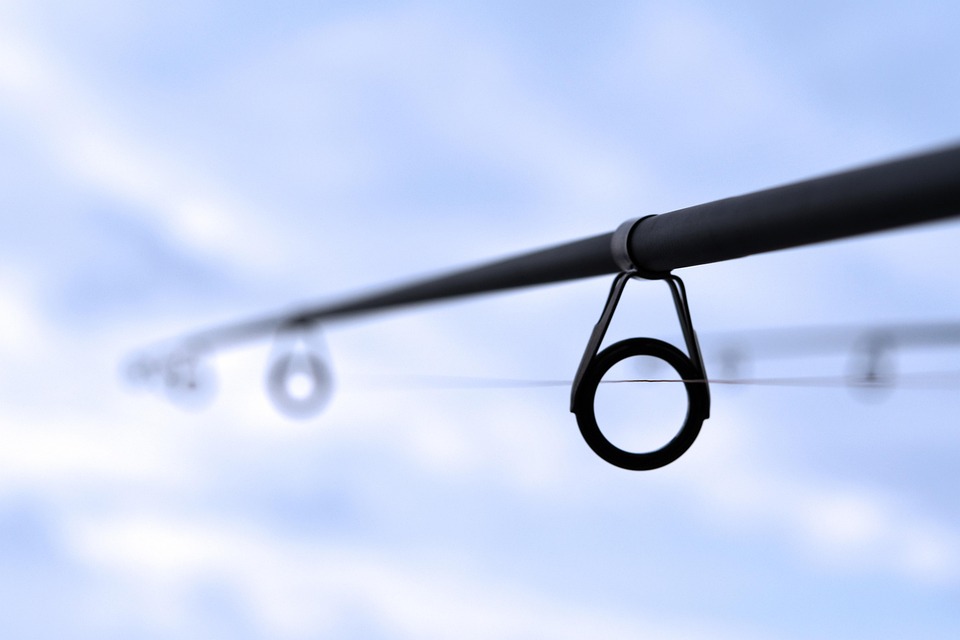
- Rod and Reel: A medium action rod paired with a baitcasting or spinning reel is ideal for beginners.
- Fishing Line: Monofilament or braided lines, typically in the 10-20 lb test range, provide strength and sensitivity.
- Hooks: Select hooks that fit the size of your bait—usually sizes 2/0 to 5/0 work well for bass.
- Baits: Soft plastics, spinnerbaits, and topwater lures are great options for attracting bass.
Essential Techniques for Catching Bass
Successful bass fishing hinges on understanding and applying various fishing techniques. Here are some beginner-friendly methods to get you started:
Casting
The fundamental skill in fishing is casting. Practice your technique on land to build muscle memory. Aim for accuracy and distance as you get comfortable. When you’re on the water, target areas where bass are likely to hide.
Retrieval Methods
How you retrieve your lure can greatly influence your success. Experiment with:
- Slow and Steady: Keep your lure moving at a steady pace, mimicking a wounded fish.
- Stop-and-Go: Pause your retrieve intermittently to make your lure appear natural and enticing.
- Jerk Bait Technique: Use sharp, short motions to imitate the erratic movement of prey.
Understanding Seasonal Patterns
Bass behavior changes with the seasons. In spring, they spawn and move into shallower water. During summer, they will go deeper to escape the heat. Fall is feeding season as they prepare for winter. Adjust your strategies based on these seasonal patterns.
Locating the Fish
Finding bass can often be more challenging than catching them. Learn to recognize their preferred habitats.
Structures and Cover
Bass often lurk around structures such as rocks, fallen trees, or lily pads. Fish the edges of these structures, as they create ambush points for bass. Use a fish finder to locate underwater structures, or access local fishing reports for guidance on which areas are currently productive.
Water Temperature and Clarity
Monitor water temperature, as bass tend to be more active in temperatures between 65°F and 80°F. Clear water improves visibility for sight-based hunting, while stained water can enhance the effectiveness of brightly colored lures.
Safety and Conservation
While fishing is enjoyable, safety should always be prioritized. Always wear a life jacket when on a boat, adhere to local fishing regulations, and practice catch and release to promote conservation.
Finding a Community
Engaging with others who share your passion can enhance your bass fishing experience. Consider:
- Joining local fishing clubs: Connect with experienced anglers for tips and camaraderie.
- Social media groups: Online communities can provide support, inspiration, and advice.
- Participating in local events: Tournaments and workshops can help you refine your skills.
Conclusion
Bass fishing is more than just a hobby; it’s a rewarding experience that strengthens your connection to nature and offers the thrill of the catch. With the right gear, techniques, and knowledge, any beginner can enjoy success on the water. Dive into this adventure with patience, practice, and passion, and you’ll soon find yourself thriving in the world of bass fishing.
FAQs
What’s the best time of day to fish for bass?
Early morning and late afternoon are generally the best times to catch bass, as they are more active during these periods.
Do I need a fishing license?
Yes, most places require a fishing license, so check your local regulations before heading out.
What is catch and release?
Catch and release is the practice of catching a fish and then releasing it back into the water to preserve fish populations.
How do I clean and cook bass?
After cleaning a bass, you can grill, bake, or fry it. Always follow safe food handling practices when preparing fish.
- beginner bass fishing
- beginner carp fishing
- beginner catfish fishing
- beginner fishing advice
- beginner fishing baits
- beginner fishing gear
- beginner fishing guides
- beginner fishing guides online
- beginner fishing knots
- beginner fishing lures
- beginner fishing mistakes
- beginner fishing reels
- beginner fishing rods
- beginner fishing strategies
- beginner fishing techniques
- beginner fishing tips
- beginner fishing trips
- beginner fishing tutorials
- beginner fishing videos
- beginner fly fishing
- beginner freshwater fishing
- beginner muskie fishing
- beginner panfish fishing
- beginner pike fishing
- beginner saltwater fishing
- beginner trout fishing
- fishing basics
- fishing for beginners
- how to fish
- new anglers tips









Leave a comment