











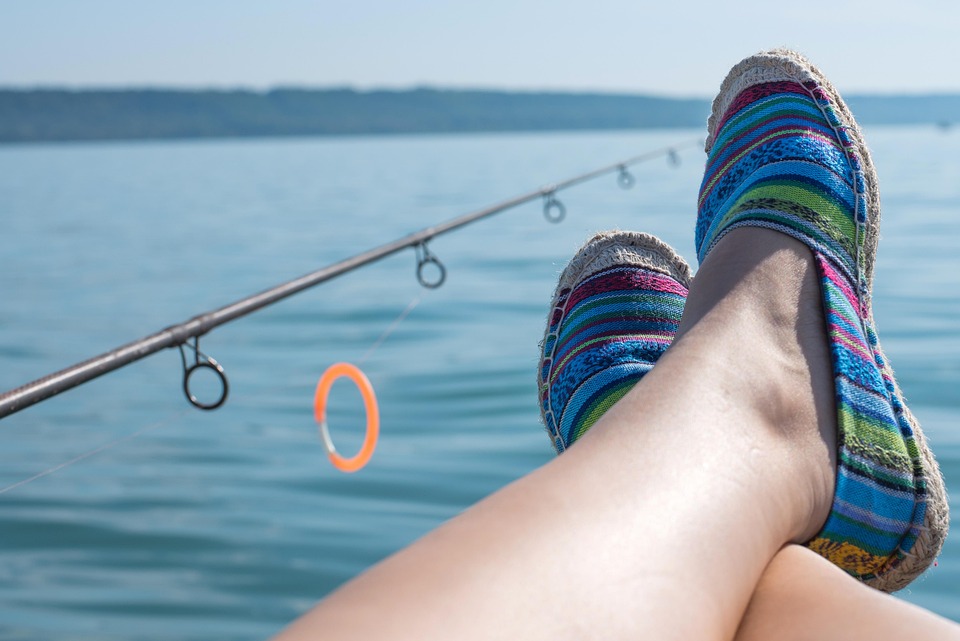


Fishing is a cherished pastime that brings individuals closer to nature while offering the thrill of the catch. However, as any seasoned angler will tell you, the success of your fishing trip often hinges on one crucial yet overlooked element: the knot. A poorly tied knot can result in frustration and lost catches, but the right knot can enhance your fishing experience significantly. This guide demystifies the essential fishing knots every beginner should master.
The Importance of Fishing Knots
Knots serve as the connection between your fishing line and the lure or hook, making them pivotal in various fishing scenarios. Their primary purposes include:
- Strength: A well-tied knot will withstand the weight of your catch and any sudden pulls.
- Reliability: Ensuring your tackle remains securely attached during the fight with a fish.
- Convenience: Simplifying changes of lures, hooks, or even line types.
Types of Fishing Knots Every Beginner Should Know
1. The Improved Clinch Knot
The Improved Clinch Knot is perhaps the most popular choice among anglers for attaching a hook or lure to a fishing line. Its strength and simplicity make it ideal for beginners.
Instructions:
- Thread the line through the eye of the hook.
- Wrap the line around itself five to seven times.
- Thread the end of the line back through the small loop just above the eye.
- Thread it through the larger loop you’ve just created.
- Wet the knot and pull to tighten.
2. The Palomar Knot
The Palomar Knot is revered for its strength and ease of tying, making it a staple for many anglers. It works particularly well with braided lines.
Instructions:
- Double the line and pass it through the eye of the hook.
- Make an overhand knot but do not tighten it.
- Pass the hook through the loop you created.
- Tighten by pulling on both the standing line and the tag end.
3. The Loop Knot
The Loop Knot is excellent for allowing your lure to move freely, providing a more natural presentation in the water. This is especially beneficial when fishing with surface lures.
Instructions:
- Form a loop with the line and pass the end through the eye of the hook.
- Wrap the tag end around the standing line three to five times.
- Thread the tag end back through the initial loop.
- Tighten while wetting the line.
4. The Surgeon’s Knot
This knot is widely used for joining two lines together, especially when creating a leader. Its simplicity and ease of tying make it a favorite among beginners.
Instructions:
- Align the two lines together.
- Make a simple overhand knot, but pass both lines through the loop.
- Pull tight, and repeat for added security.
Tips for Knot Mastery
Once you’ve learned the essential knots, here are some tips to ensure you tie them correctly:
- Practice: Use scrap pieces of line to practice tying knots until you feel comfortable.
- Wet the knot: Always moisten your knots with saliva or water to prevent friction that can weaken the line.
- Inspect: Regularly check your knots during fishing trips to ensure they remain secure.
- Use proper line: Ensure you’ve chosen the right knot for the specific type and strength of line you’re using.
Caring for Your Knots
A well-tied knot is only as good as the materials and conditions surrounding it. Here’s how to take care of them:
- Choose quality lines: Use high-quality fishing lines designed for your specific needs.
- Avoid excessive strain: Don’t force your gear beyond its limits; this can damage both the knot and the line.
- Store properly: Avoid storing your gear in harsh conditions that could damage the lines or knots.
Conclusion
As a beginner angler, mastering fishing knots is just as crucial as learning how to cast or select the right bait. The knots outlined in this guide—Improved Clinch Knot, Palomar Knot, Loop Knot, and Surgeon’s Knot—are foundational elements that can enhance your fishing experience by boosting your confidence and increasing your success rate. With practice and care, tying these knots will become second nature, allowing you to focus on the joy of fishing and the connection to nature it offers.
Frequently Asked Questions (FAQs)
- What type of fishing line should I use for knots?
- Different knots work best with specific types of fishing lines. Monofilament is versatile for most knots, while braided lines are ideal for knots like the Palomar. Consult the knot specifications if in doubt.
- How do I know if my knot is tied correctly?
- The knot should be firm without any slack, and it should not slip when pulled. Always test the knot’s strength by giving it a good tug before placing it under pressure while fishing.
- Can I use the same knots for different types of fishing?
- Yes, many knots can be adapted for various fishing types, but always ensure they align with the conditions and line types you’re using.
- How long should the tag end be when tying a knot?
- It depends on the knot you’re tying, but generally, leaving a few inches of tag end is advisable for a secure tie. Check specific knot instructions for optimal tag lengths.
- What’s the best way to practice tying knots?
- Using a dedicated knot practice kit or scrap line at home can accelerate your learning. Practice outdoors under various conditions to simulate fishing environments.
- fishing bait tips
- fishing gear hacks
- fishing hacks
- fishing knot guides
- fishing knot techniques
- fishing knot tying
- fishing knots
- fishing knots for advanced
- fishing knots for beginners
- fishing leader knots
- fishing line knots
- fishing loop knots
- fishing lure tips
- fishing rig guides
- fishing rig hacks
- fishing rig setups
- fishing rig tips
- fishing rig tricks
- fishing rigs
- fishing strategies
- fishing techniques
- fishing tips
- fishing tips and tricks
- fishing tips for beginners
- fishing tips for experts
- fishing tips for freshwater
- fishing tips for saltwater
- fishing tips online
- fishing tricks
- fishing tricks for better catch















Leave a comment