









By [Your Name]
Date: [Insert Date]
Understanding Steelhead
Steelhead trout, a migratory form of the rainbow trout, are often revered by anglers for their beauty and their hard-fighting nature. These fish are native to the rivers of the Pacific Ocean, primarily found along the West Coast of North America, from California to Alaska. What sets steelhead apart from their freshwater counterparts is their unique life cycle: Born in freshwater, they migrate to the ocean, where they spend a considerable amount of their life before returning to freshwater to spawn. This dual existence adds a layer of complexity and allure to steelhead fishing.
The Life Cycle of Steelhead
Steelhead are fascinating creatures with a distinctly adaptive life cycle. In their early stages, they inhabit freshwater streams where they hatch from eggs. As juveniles, they begin their transition to the ocean, typically by the age of two. It’s in the saltwater that they grow significantly, adapting to a diet rich in crustaceans and other marine life. After one to three years in the ocean, they return to their natal rivers to spawn. The spawn can occur during different times of the year depending on the geographic location and environmental factors, usually occurring in late winter or early spring.
Best Locations for Steelhead Fly Fishing
When it comes to steelhead fly fishing, choosing the right location is crucial. Below are some of the top destinations:
- Columbia River, Oregon and Washington: Known for its robust steelhead population, the Columbia River offers diverse fishing environments.
- Lake Michigan: The tributaries of Lake Michigan provide excellent opportunities, especially in fall and spring.
- Salmon River, New York: This river is renowned for its challenging fishing conditions and the size of its steelhead.
- Pacific Northwest Streams: Rivers in Washington, Idaho, and British Columbia are famed for producing trophy steelhead.
Essential Gear for Steelhead Fly Fishing
To effectively pursue steelhead, anglers must equip themselves with the right gear:
Rod and Reel Selection
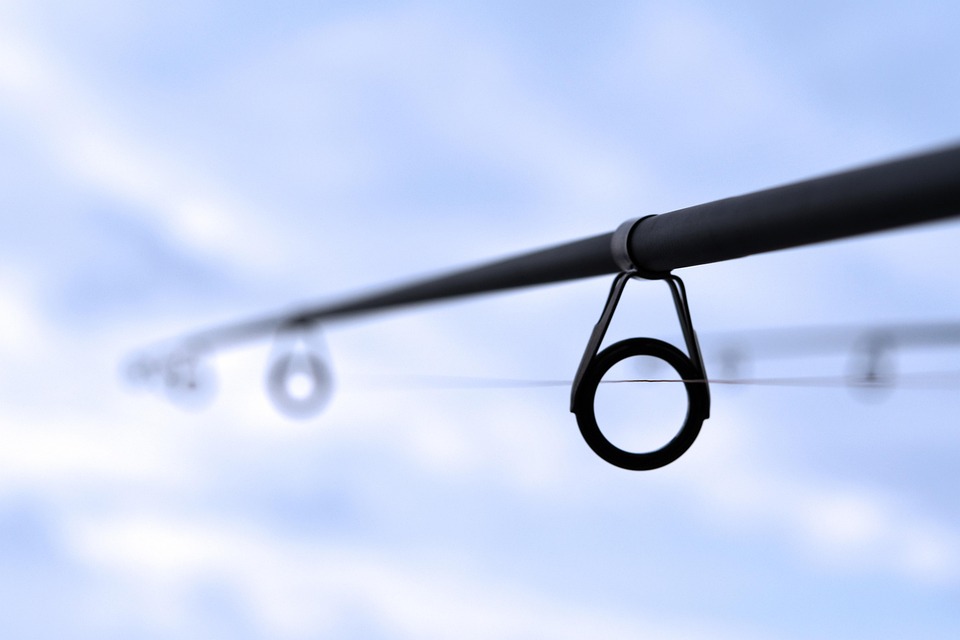
A good steelhead rod typically ranges from 8 to 10 feet in length, with a medium to medium-heavy action. When choosing a reel, opt for a high-capacity model that can hold a lightweight line, ideally suited for battling the vigorous steelhead.
Fly Lines
Floating lines are versatile, suitable for dry flies, while sinking lines are essential for deeper waters. A combination of both may provide the best results, allowing you to cover various water columns.
Flies
When it comes to flies, patterns can vary significantly based on location and the time of year. Some popular choices include:
- Egg Patterns: Simulating the natural food source of spawning fish.
- Streamers: Imitating smaller fish, perfect for aggressive strikes.
- Intruder Flies: Known for their ability to provoke a reaction due to their size and profile.
Techniques for Success
Mastering the techniques of steelhead fly fishing requires knowledge, practice, and patience:
Presentation
Presentation is key. The fly should look natural and enticing. Strategies vary from dead drifting your fly to swinging it across the current. Experimentation is vital to determine what works best during your outings.
Reading Water
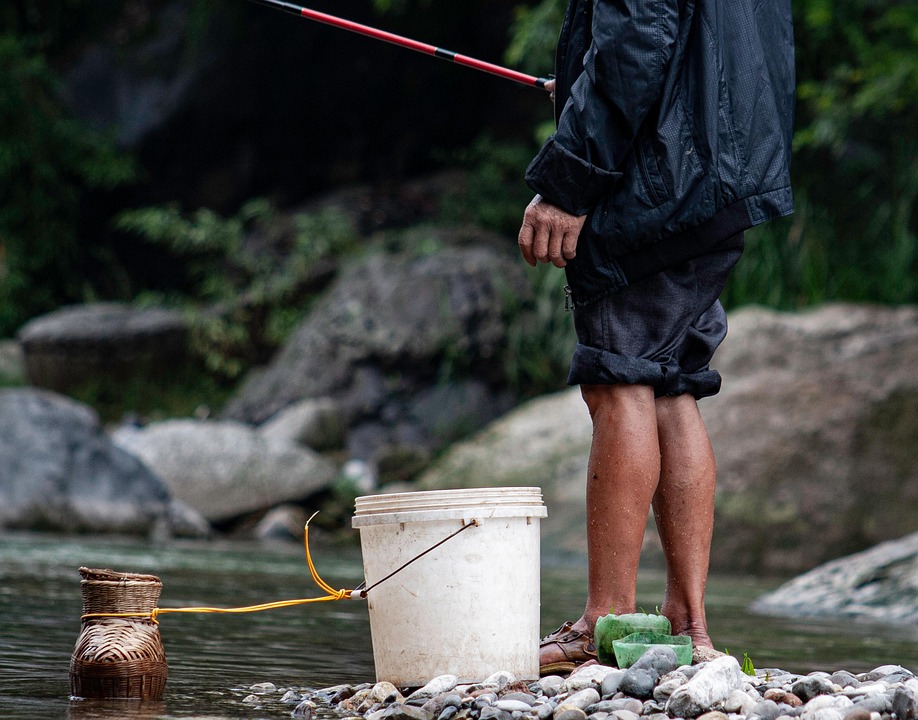
Understanding water types will significantly improve your success. Steelhead tend to hold in areas where the flow is gentle, near structure such as rocks or submerged debris. Look for slow pools, riffles, and deeper runs.
Timing
Steelhead fishing is often best during dawn and dusk when the fish are most active. Additionally, seasonal migrations can provide peaks in activity, offering prime opportunities to catch these elusive fish.
Conservation and Ethical Practices
As anglers, it’s essential to prioritize the conservation of steelhead populations. Practicing catch and release, using barbless hooks, and staying informed about local regulations can significantly impact the sustainability of steelhead fishing. Supporting conservation programs and participating in river clean-ups are additional ways to give back to the natural resources we enjoy.
Conclusion
Chasing chrome—a phrase that resonates deeply within the fly fishing community. Steelhead fly fishing offers an unforgettable adventure characterized by challenge and reward. With the proper understanding of the species, gear, techniques, and conservation efforts, anglers not only enhance their own experience but also contribute to preserving this magnificent game fish for future generations. Whether you’re a seasoned angler or a curious newcomer, steelhead fishing has something to offer everyone, beckoning enthusiasts to immerse themselves in one of nature’s most enduring quests.
Frequently Asked Questions (FAQs)
1. What is the best time of year to fish for steelhead?
The best time can vary by region, but generally, spring and fall are considered prime seasons. Look for steelhead runs that coincide with spawning cycles.
2. Can I fish for steelhead in freshwater?
Yes, steelhead are often found in both freshwater rivers and streams, especially during their spawning runs.
3. What are the best flies for steelhead?
Popular choices include egg patterns, streamers, and intruder flies, depending on the time of year and location.
4. Do I need a special fishing license for steelhead?
Yes, most states require a special fishing license for steelhead fishing, and some may have additional regulations regarding catch limits and seasons.
5. How should I practice catch and release?
Use barbless hooks, handle fish with wet hands, and minimize air exposure to ensure the best chances of survival upon release.
- advanced fly fishing
- bass fly fishing
- dry fly fishing
- fly casting techniques
- fly fishing
- fly fishing destinations
- fly fishing flies
- fly fishing for beginners
- fly fishing gear
- fly fishing guides
- fly fishing reels
- fly fishing rivers
- fly fishing rods
- fly fishing species
- fly fishing techniques
- fly fishing tips
- fly tying
- fly tying patterns
- freshwater fly fishing
- lake fly fishing
- nymph fishing
- river fly fishing
- salmon fly fishing
- saltwater fly fishing
- steelhead fly fishing
- stream fly fishing
- streamer fishing
- trout fly fishing
- wet fly fishing
- worldwide fly fishing










Leave a comment