









Pike fishing, particularly for species such as the northern pike (Esox lucius), has garnered immense popularity among anglers. Known for their aggressive strikes and fierce battles, pike are not only a challenge to catch but also a delight to eat. However, every seasoned angler knows that timing is everything when it comes to fishing. Understanding pike fishing seasons is crucial for maximizing success on the water.
Understanding the Pike Lifecycle
To appreciate the various seasons of pike fishing, one must first understand the lifecycle of this remarkable fish. Northern pike are primarily found in North America and parts of Europe, thriving in shallow, weedy lakes and slow-moving rivers. The lifecycle of a pike consists of several key stages:
- Spawning: Typically occurring in spring (March to June), pike spawn in shallow waters where vegetation is abundant.
- Juvenile Stage: After hatching, pike fry remain in the vegetation for protection and ample food supply.
- Growth: As they mature, pike grow rapidly, reaching sizes that can exceed 30 inches and weigh over 10 pounds.
- Maturity: Adult pike are notorious for their predatory skills, often feeding on smaller fish and even birds.
Pike Fishing Seasons Overview
The seasons for pike fishing can be broadly categorized into the following:
- Pre-Spawn (Late Winter to Early Spring)
- Spawn (Spring)
- Post-Spawn (Late Spring to Early Summer)
- Summer
- Fall
- Winter
1. Pre-Spawn (Late Winter to Early Spring)
The weeks leading up to the spawn are crucial for targeting pike. In colder northern regions, ice may still be present, but as temperatures begin to rise, pike become increasingly active. During this time, they start to move towards shallower waters, making them more accessible to anglers.
Key techniques during this season include:
- Utilizing larger lures to attract feeding pike.
- Fishing near drop-offs and submerged structures.
- Targeting the warmer areas of the water, particularly where the sun hits.
2. Spawn (Spring)
During the spawn, pike generally become less aggressive due to their focus on reproduction. Consequently, fishing success may decline. However, understanding their spawning habits can yield some successful catches early in the season.
Strategies include:
- Fishing with lighter tackle to avoid spooking fish.
- Employing soft plastics that mimic prey available during this time, such as smaller fish.
- Targeting females, which remain near spawning areas.
3. Post-Spawn (Late Spring to Early Summer)
This period marks a resurgence in fishing activity. After spawning, pike are ravenous and begin to feed aggressively. They tend to disperse from spawning grounds and can be found in a variety of habitats.
To take advantage of this feeding frenzy, consider:
- Using jerkbaits or spinnerbaits to draw out their predatory instincts.
- Focusing on weedy areas, where young fish congregate.
4. Summer
As water temperatures rise, pike retreat to cooler, deeper waters during the hottest parts of the day. Early morning and late evening are prime times for fishing. They will often lie in wait near structures such as fallen trees or rocks for an ambush.
Effective techniques during the summer months include:
- Slow rolling spinnerbaits near the surface.
- Worming lures through vegetation.
5. Fall
Fall symbolizes a final feeding frenzy as pike prepare for the winter months. Their instinct compels them to consume as much as possible. As temperatures drop, they can be found in shallower waters, making them easier to catch.
Strategies for fall fishing include:
- Targeting areas where bait fish are abundant.
- Using larger lures to entice bigger pike.
6. Winter
Winter presents a set of challenges, but pike fishing can still be fruitful. Ice fishing becomes popular in colder regions, with anglers drilling holes and using live bait or jigs to attract pike.
Effective winter fishing strategies include:
- Finding underwater structures or holes where pike might congregate.
- Using tip-ups to detect bites while you wait.
The Best Locations for Pike Fishing
While pike can be found in many places, some regions stand out as premier fishing destinations:
- Canada: Lakes like Lake of the Woods and the Ottawa River are world-renowned for their pike fishing.
- United States: States like Minnesota, Wisconsin, and New York offer excellent pike fishing opportunities.
Essential Gear and Techniques
When it comes to pike fishing, having the right gear is essential. Here are some of the basics:
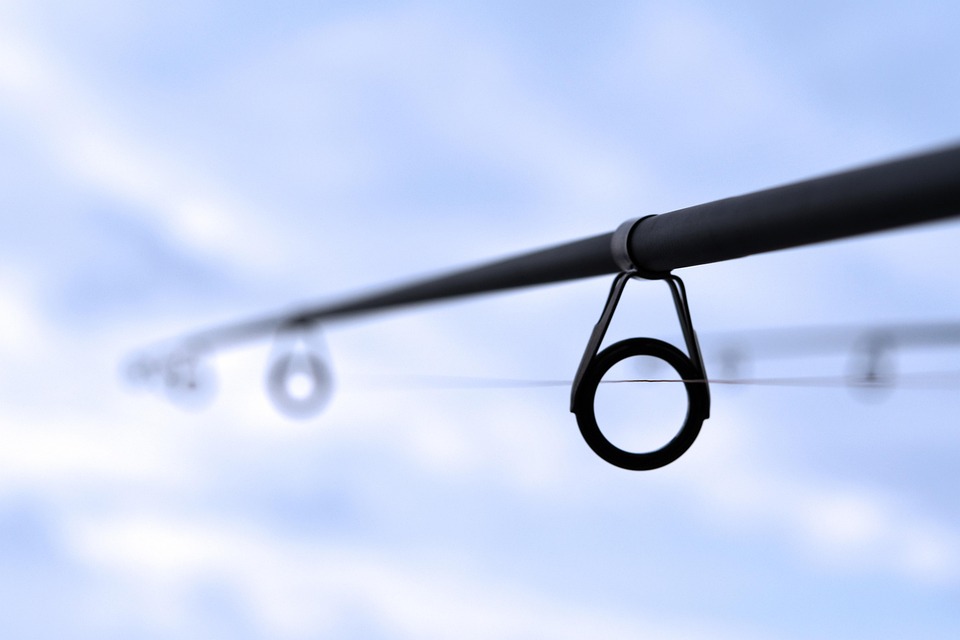
- Rod and Reel: A medium to medium-heavy rod paired with a spinning or baitcasting reel is ideal.
- Line: Use a strong braided line (30-50 lb test) to withstand pike’s teeth and aggressive runs.
- Lures: A variety of lures such as spoons, jerkbaits, and swimbaits are effective in various seasons.
Conclusion
Pike fishing can be an exhilarating experience for anglers of all skill levels. By understanding the seasonal behavior of pike, anglers can increase their chances of landing these magnificent fish. Whether you are casting from a boat, fishing from the shore, or drilling through ice, preparation, patience, and knowledge of the waters will always pay off. So, gather your gear, pick a spot, and get ready to reel in your next trophy pike!
FAQs
1. What is the best time of year to fish for pike?
The best time is generally in spring during the post-spawn period and in the fall months when pike are actively feeding.
2. Do I need a special license to fish for pike?
Yes, most regions require a fishing license. Always check local regulations to ensure compliance.
3. What type of bait is most effective for pike fishing?
Pike are opportunistic feeders, so live bait like minnows, as well as lures such as spinnerbaits and jerkbaits, work well.
4. Is ice fishing for pike worth it?
Absolutely! Many anglers find ice fishing for pike to be an exciting challenge, especially in well-stocked lakes.
5. What size should my leader line be?
A leader line of 12-18 inches of wire or fluorocarbon is recommended to prevent break-offs from a pike’s sharp teeth.
- bait fishing seasons
- bass fishing seasons
- best fishing times
- bluegill fishing seasons
- carp fishing seasons
- catfish fishing seasons
- crappie fishing seasons
- fishing seasons
- fly fishing seasons
- inshore fishing seasons
- jigging seasons
- marlin fishing seasons
- muskie fishing seasons
- offshore fishing seasons
- panfish fishing seasons
- pike fishing seasons
- popping seasons
- sailfish fishing seasons
- salmon fishing seasons
- seasonal fishing for beginners
- seasonal fishing guides
- seasonal fishing guides worldwide
- seasonal fishing strategies
- seasonal fishing tips
- shark fishing seasons
- spinning fishing seasons
- trolling seasons
- trout fishing seasons
- tuna fishing seasons
- walleye fishing seasons
- zander fishing seasons








Leave a comment