












Fishing enthusiasts are often on a quest to master their craft, and few challenges are as rewarding as successfully catching bass. Recognized for their fighting spirit and delicious taste, bass are a favorite target for both novice and expert anglers alike. This article delves into some of the top techniques for catching bass, making your fishing trips more productive and enjoyable.
Understanding Bass Behavior
Before diving into specific techniques, it’s vital to understand the behavior of bass. Bass are temperature-sensitive and often become more active in warmer waters. Water temperature between 65°F and 75°F is typically ideal for bass fishing. They tend to inhabit areas rich in cover, like submerged logs, rocks, and vegetation, which provide both hunting grounds for prey and protection from predators.
Another critical aspect of bass behavior is their feeding patterns. Bass are opportunistic feeders, consuming various prey, such as minnows, frogs, crayfish, and insects. Studying the local ecosystem helps in selecting the right bait and techniques for a successful fishing trip.
Essential Gear for Bass Fishing
The right gear can make all the difference in your fishing experience. Here’s a quick rundown of essentials:
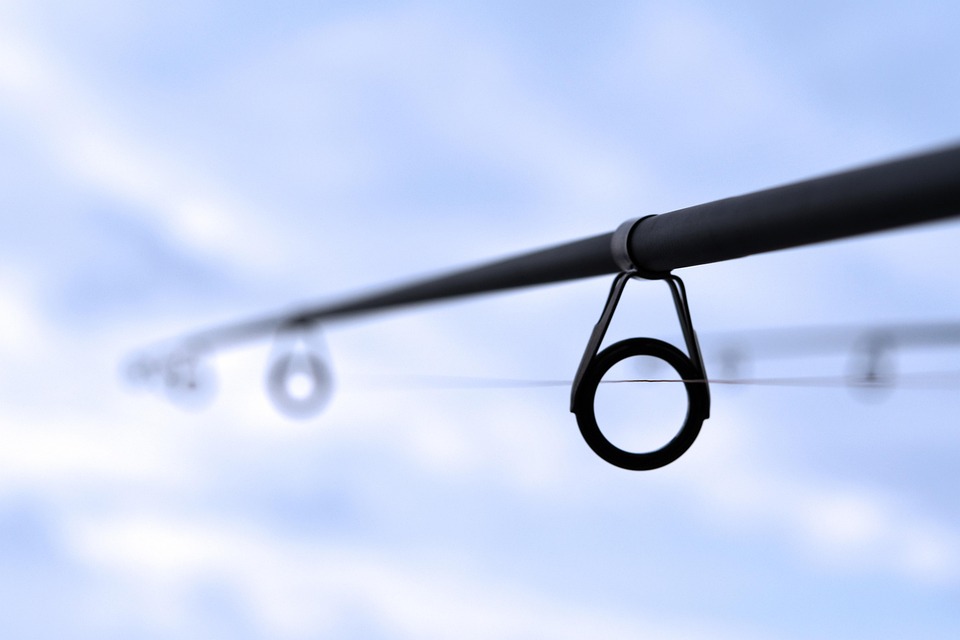
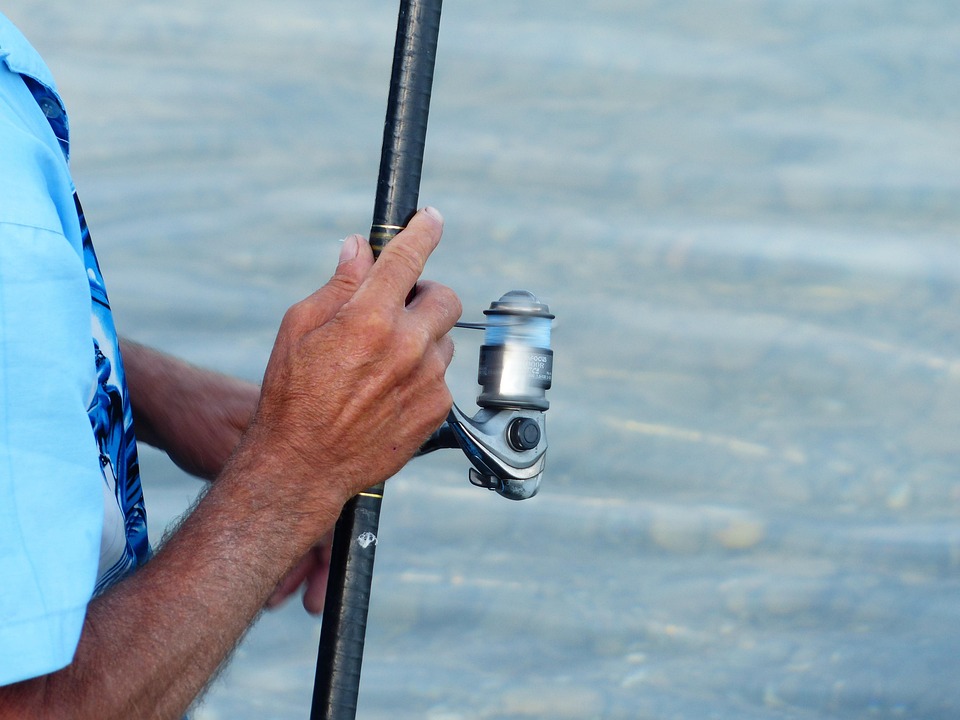
- Rod and Reel: A medium to medium-heavy spinning or baitcasting rod between 6–7 feet is ideal for bass fishing. Pair it with a quality reel suited to the line weight you’ll be using.
- Line: Monofilament or fluorocarbon lines in the 10-20 lb test range work well for bass fishing, providing the right balance of strength and stealth.
- Baits and Lures: A variety of baits like crankbaits, jigs, and topwater lures can yield fantastic results. Live bait such as worms and minnows are effective, too.
- Accessories: A tackle box filled with various hooks, weights, and other accessories can significantly enhance your fishing experience.
Top Techniques for Catching Bass
1. The Jerkbait Technique
Jerkbaits are versatile lures that mimic dying baitfish, making them irresistible to bass. The technique involves casting the lure, allowing it to sink, then imparting a series of jerks followed by pauses. This erratic movement mimics distressed prey, often leading to explosive strikes. The best times to use jerkbaits are during the early spring and late fall when bass are less active.
2. The Texas Rigging Method
The Texas rig is a classic and effective technique, especially when fishing in heavy cover. This involves threading the hook through a soft plastic bait and adding a bullet weight above it. The setup reduces snagging and allows the bait to slide through vegetation easily. This technique is best cast alongside submerged rocks, weeds, or any cover where bass may be hiding.
3. Topwater Fishing
Topwater fishing is one of the most exhilarating methods for catching bass. The excitement of seeing a bass strike your lure on the surface is unmatched. Popular topwater lures include poppers, frogs, and buzzbaits. The best time for topwater fishing is during low-light conditions such as dawn and dusk, when bass are feeding actively on the surface.
4. The Carolina Rig
The Carolina rig is a favorite among anglers for its ability to cover large areas effectively. This technique involves using a straight-line sinker, a swivel, and a leader with the bait at the end. The weight allows the bait to stay closer to the bottom, making it easier to target bass that are hugging the lake bed. This method is especially effective in deeper waters during warmer months.
5. Fly Fishing for Bass
While often associated with trout, fly fishing for bass has gained popularity due to the sport’s challenge and excitement. Using larger flies that mimic baitfish, poppers, or even frogs can yield impressive results. The beauty of fly fishing lies in its stealth and precision, allowing anglers to drop their offering directly in the strike zone.
Seasonal Strategies for Bass Fishing
Understanding seasonal bass behavior is crucial for effective fishing. Here’s how to adjust your strategies for each season:
Spring
Spring is spawning season, and bass move into shallower waters. During this time, focus on nesting areas using pitching techniques with soft baits. Jerkbaits and crankbaits can also be particularly effective as water temperatures rise.
Summer
In summer, bass retreat to deeper, cooler waters. Techniques like the Carolina rig and deep diving crankbaits become essential. Early mornings, late afternoons, and overcast days often yield the best results.
Fall
With falling temperatures, bass become active again as they prepare for winter. Topwater lures and jerkbaits are effective during this transitional period. Pay attention to schools of baitfish, as bass will follow their food source.
Winter
Winter fishing can be challenging but rewarding. Bass slow down and seek deeper waters. Slower presentations with jigs and tactical drops through holes in ice (if allowed) can yield success during this season.
Best Locations to Catch Bass
Identifying optimal fishing locations can majorly impact your success rate. Look for:
- Structure: Submerged logs, rocks, and weed beds provide cover and hunting grounds.
- Drop-Offs: Areas where the depth suddenly increases are ideal spots to locate bass.
- Points: Points of land jutting into the water often gather baitfish, attracting hungry bass.
- Creeks and Inlets: Freshwater input can entice bass, making these spots prime locations during spawning seasons.
Concluding Thoughts
Mastering the art of bass fishing is a journey filled with excitement, learning, and countless memorable experiences. From understanding their behavior to employing the right techniques and strategies for different seasons, anglers can significantly improve their success rates. Remember, patience and adaptability are crucial. Whether you’re a seasoned pro or a newbie, the joy of reeling in a lively bass cannot be overstated. Equip yourself with the right knowledge, gear, and techniques, and get ready to experience the thrill of mastering the waters.
FAQs
A: Early morning and late afternoon are typically the best times to catch bass, as they are more active during low-light conditions.
A: The best bait can vary depending on the season and conditions, but popular choices include soft plastics, crankbaits, and live bait like worms or minnows.
A: Bass can be found in both shallow and deep waters, depending on the time of year. In spring, they tend to move shallow for spawning, whereas in the summer, they retreat to cooler, deeper waters.
A: Continuous practice, studying local fishing reports, and learning from experienced anglers can help improve your techniques and skills over time.
- advanced bass fishing
- bass angling
- bass fishing
- bass fishing baits
- bass fishing destinations
- bass fishing for beginners
- bass fishing guides
- bass fishing lakes
- bass fishing lures
- bass fishing patterns
- bass fishing reels
- bass fishing rigs
- bass fishing rods
- bass fishing seasons
- bass fishing tactics
- bass fishing techniques
- bass fishing tips
- crankbait bass fishing
- deep water bass fishing
- jig bass fishing
- largemouth bass fishing
- reservoir bass fishing
- river bass fishing
- shallow water bass fishing
- smallmouth bass fishing
- soft plastic bass fishing
- spinnerbait bass fishing
- spotted bass fishing
- topwater bass fishing
- tournament bass fishing










Leave a comment