










The pursuit of muskie fishing—often dubbed the “fish of ten thousand casts”—is a thrilling challenge for anglers who seek one of North America’s most enigmatic freshwater predators. Known for their size, strength, and ferocious nature, muskies have captured the hearts of many fishing enthusiasts. This comprehensive guide aims to walk you through everything you need to know to maximize your chances of success during the muskie fishing season.
The Mighty Muskie: An Overview
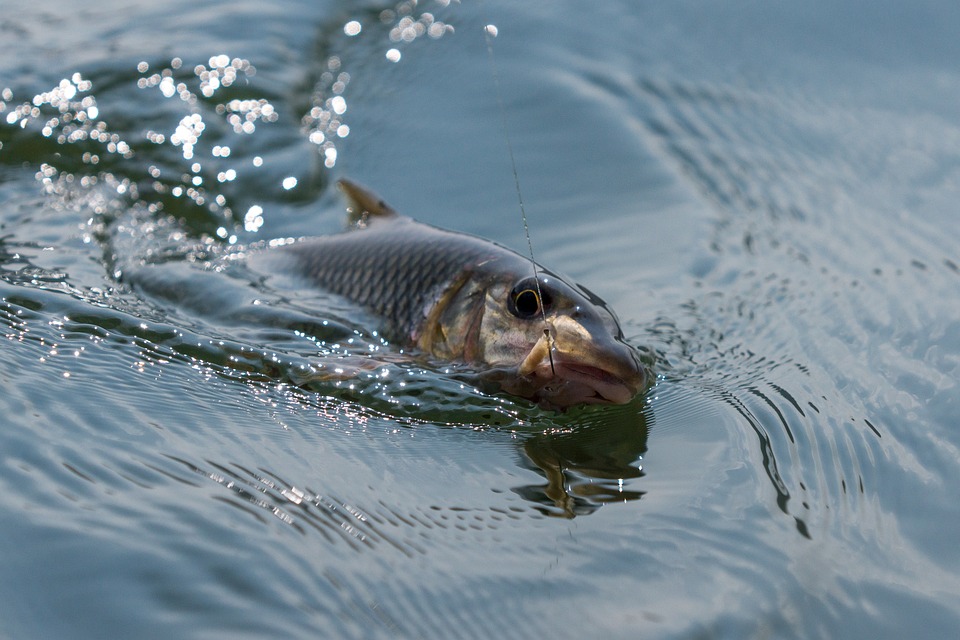
Muskellunge, commonly referred to as muskie (Esox masquinongy), are large predatory fish found primarily in North America. They’re recognizable by their elongated bodies, sharp teeth, and distinctive patterning that can vary between individuals. Muskies are typically found in lakes, rivers, and reservoirs with plenty of cover, primarily because they are ambush predators.
These fish can grow to considerable sizes, often exceeding 50 inches and weighing over 30 pounds. However, some record catches have been reported at lengths of up to 68 inches! Their elusive nature and the skills required to catch them make muskie fishing a true test of an angler’s prowess.
The Fishing Season
The muskie fishing season varies by region but generally spans from late spring to early fall, with peak times varying based on local climate and water conditions. Typically, June through September offers the best opportunities for catching these giants. The months leading into the season often feature increasing water temperatures, which trigger the muskies’ feeding frenzy.
Seasonal Patterns
- Spring: As the ice melts, muskies begin to move into shallow waters. Use larger lures that mimic baitfish for effective catches.
- Summer: Water temperatures rise, and muskies become more active. Focus on early mornings and late evenings when they are most likely to strike.
- Fall: Muskies start preparing for winter. They feed voraciously, and this is usually considered the best time for serious muskie anglers.
Essential Gear for Muskie Fishing
To successfully land a muskie, specific equipment and gear are essential:
Rods and Reels
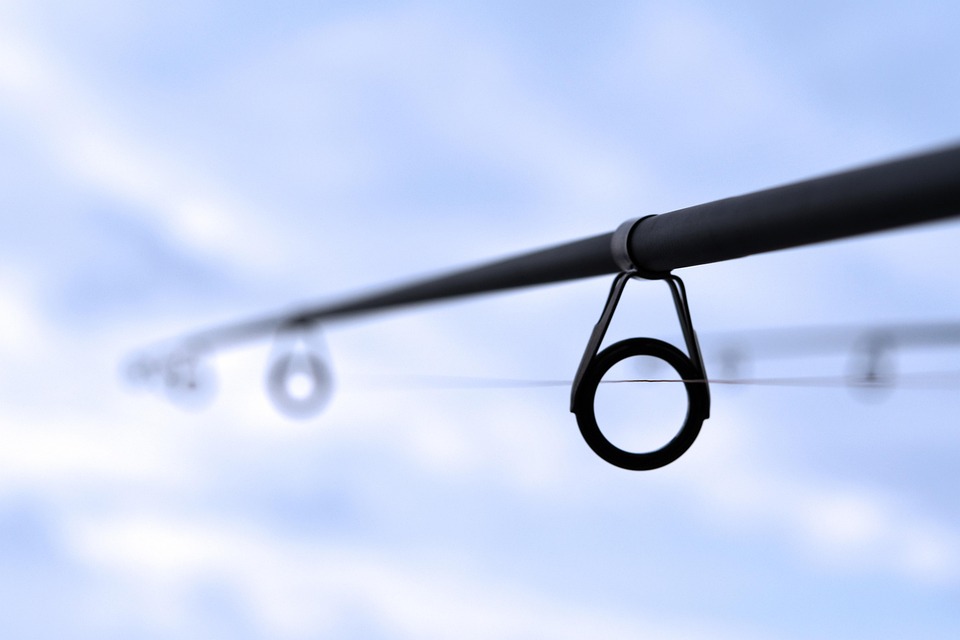
A good muskie rod typically ranges from 8 to 10 feet long and is designed to handle heavy lures and the powerful fight of large muskies. Pair this with a strong, high-capacity reel (at least a 50-size) that can handle braided lines of 65-80 lb test to provide the strength and sensitivity required.
Lines and Lures
Braided line is preferred due to its strength and low stretch. As for lures, the options are vast, including:
- Topwater lures: Effective during hot summer evenings.
- Crankbaits: Best for mimicking baitfish in deeper water.
- Spinnerbaits: Useful in murky waters and heavy vegetation.
Techniques for Success
Mastering the art of muskie fishing requires tactical approaches and patience. Here are some techniques that can increase your odds:
Finding the Right Spots
Muskies often hide near structures like submerged logs, weed beds, and drop-offs. Utilize electronics like sonar to map out these structures and target them accordingly.
Retrieving Techniques
The way you retrieve lures can greatly impact your chances. Vary your speed, and utilize stop-and-go techniques to simulate injured prey, which can trigger muskies to strike.
Understanding Weather Conditions
Consistently monitoring weather conditions can give you an edge. Overcast days often provide excellent fishing opportunities, as muskies are more likely to be active. Factors like wind and barometric pressure also affect fish behavior.
Safety and Conservation
While the thrill of muskie fishing is alluring, it is vital to practice sustainable fishing techniques. Always follow local regulations regarding catch limits and sizes, and consider practicing catch-and-release to help preserve the muskie population for future generations.
Conclusion
Muskie fishing is not just about catching fish; it’s about the experience of being immersed in nature and the thrill of pursuing one of the most challenging freshwater species. By understanding muskie behavior, mastering the right techniques, and using the appropriate gear, you stand a better chance of having a successful season. So get out there, delight in the chase, and remember: every cast brings you closer to the adventure of a lifetime.
FAQs
1. When is the best time to fish for muskies?
Generally, the best time for muskie fishing is during the late spring through early fall, with peak success noted in the summer and fall months.
2. What types of lures are most effective for muskies?
Effective lures include topwater lures, crankbaits, and spinnerbaits, as they mimic the movements of prey and attract muskies effectively.
3. How can I tell the difference between a muskie and a northern pike?
Muskies have more rounded spots and a longer, slimmer body than northern pike, which typically have lighter markings and a more chunky appearance.
4. Are there regulations I should know about for muskie fishing?
Yes, regulations vary by state and region regarding catch sizes, limits, and seasonal restrictions. Always check local guidelines before fishing.
5. Why are muskies referred to as the “fish of ten thousand casts”?
This nickname reflects the challenge of muskie fishing—due to their elusive nature and the skill required to hook one, many anglers find that it can take many casts to land a single fish.
- bait fishing seasons
- bass fishing seasons
- best fishing times
- bluegill fishing seasons
- carp fishing seasons
- catfish fishing seasons
- crappie fishing seasons
- fishing seasons
- fly fishing seasons
- inshore fishing seasons
- jigging seasons
- marlin fishing seasons
- muskie fishing seasons
- offshore fishing seasons
- panfish fishing seasons
- pike fishing seasons
- popping seasons
- sailfish fishing seasons
- salmon fishing seasons
- seasonal fishing for beginners
- seasonal fishing guides
- seasonal fishing guides worldwide
- seasonal fishing strategies
- seasonal fishing tips
- shark fishing seasons
- spinning fishing seasons
- trolling seasons
- trout fishing seasons
- tuna fishing seasons
- walleye fishing seasons
- zander fishing seasons










Leave a comment