


















Bass fishing is not just a pastime; it’s an adventure that has transformed the lives of countless anglers. Whether you’re a seasoned pro or just stepping onto the boat for the first time, understanding the role of fishing baits is crucial in optimizing your catch. In this guide, we’ll delve into the best baits to use, the science behind them, and techniques that can help you reel in that trophy bass.
Understanding Bass Behavior
Before we delve into specific baits, it’s essential to understand bass behavior. Bass are predatory fish known for their aggressive feeding habits. They are opportunistic feeders, which means they will go for the easiest meal available. This behavior often results in shifting feeding patterns based on various factors, including:
- Water temperature
- Season
- Time of day
- Water clarity
- Available forage
Understanding these variables can significantly influence your bait choice and ultimately improve your success rate.
Types of Bass Fishing Baits
There are two primary categories of bass fishing baits: live baits and artificial baits. Each type has its own advantages and is suited for different situations. Let’s discuss them in detail.
1. Live Bait
Live bait can be incredibly effective due to its natural appeal. Common types include:
- Worms: Nightcrawlers and red wigglers are favorites.
- Shiners: These small minnows can attract larger bass effectively.
- Crickets and Grasshoppers: Great for fishing near the surface.
Live bait can be more time-consuming to keep and manage, but its effectiveness often outweighs the hassle.
2. Artificial Bait
Artificial baits provide versatility and convenience, available in various shapes, sizes, and colors. Here are some types worth noting:
- Rubber Worms: A staple, especially for Texas and Carolina rigs.
- Crankbaits: Mimic the swimming motion of fish.
- Topwater Lures: Create surface disturbances, enticing aggressive strikes.
- Spinnerbaits: Effective in murky waters due to their flash and vibration.
Top Picks for Bass Fishing Bait
Now that we’ve covered the types of baits, let’s take a look at some of the best options on the market to boost your success rate.
1. Live Baits
Chub Minnows
Chub minnows are an excellent live bait option. Their natural swimming behavior can attract larger bass, making them a great choice for anglers looking for a big catch.
Nightcrawlers
Nightcrawlers are easy to find and are often on a bass’s menu. They work well in various water conditions and can be fished in multiple ways, increasing your chances of a catch.
2. Artificial Baits
Zoom Super Fluke
This soft plastic bait mimics a dying fish, which often entices bass to strike. It’s one of the best baits for a variety of fishing conditions.
Rapala Original Floater
Known for its lifelike swimming action, this classic crankbait is perfect for targeting both largemouth and smallmouth bass. Effective across various depths, it’s a must-have in any tackle box.
Topwater Plopper
This lure creates a unique splashing sound that draws bass from afar. Ideal for early morning or late evening fishing, it often results in explosive strikes.
Keitech Easy Shiner
This swimbait is incredibly versatile, often working effectively in different conditions. The natural movement resembles fleeing bait fish, making it irresistible to bass.
Techniques for Using Baits
The choice of bait matters, but how you present that bait can be equally crucial. Here are some techniques to optimize your fishing experience:
1. Carolina Rig
This technique allows for a slow and steady presentation, making it excellent for fishing deep waters. The sinker rests on the bottom while the bait floats above, mimicking a natural behavior.
2. Texas Rig
This rigging method allows the bait to be weedless, perfect for fishing in heavy cover. The hook slides through the bait, making it less likely to snag on obstacles.
3. Topwater Techniques
Using topwater baits effectively involves a deliberate pause-and-rip action that can elicit vicious strikes from aggressive bass. This technique is perfect for evening and early morning fishing.
Best Times to Fish for Bass
Timing your fishing trip can play a monumental role in your success. Here are some top tips:
1. The Early Bird Catches the Bass
Early mornings and late evenings are prime times for bass fishing, as bass are generally more active during these hours.
2. Seasonal Considerations
In spring, bass tend to move shallow to spawn, making them easier to catch. In summer, bass often retreat to deeper waters, so adjust your bait and techniques accordingly.
3. Moon Phases
Interestingly, bass are known to feed more actively around full moons. Plan your night outings around these lunar events for increased chances of success.
Conclusion
As you venture into the world of bass fishing, having the right baits and knowledge about how to use them can significantly increase your odds of landing that big catch. Experimenting with different baits and techniques, staying informed about bass behavior, and considering environmental factors are all essential aspects of a successful fishing trip. Remember, it’s not just about catching fish; it’s about enjoying the experience and connecting with nature. Happy fishing!
FAQs
1. What is the best bait for bass fishing?
The best bait can vary based on the season and conditions, but soft plastic worms and crankbaits are generally among the top choices for bass anglers.
2. When is the best time to fish for bass?
The early morning and late evening hours are typically the best times to fish for bass, as they are more active and likely to strike.
3. Can I catch bass with artificial bait?
Absolutely! Many anglers have found more success using artificial bait, as they can be tailored to mimic the natural prey of bass.
4. Why do bass like certain baits more than others?
Bass prefer baits that mimic their natural prey in terms of size, movement, and color. Knowing what bait is effective can depend on various environmental and seasonal factors.
5. What equipment do I need for bass fishing?
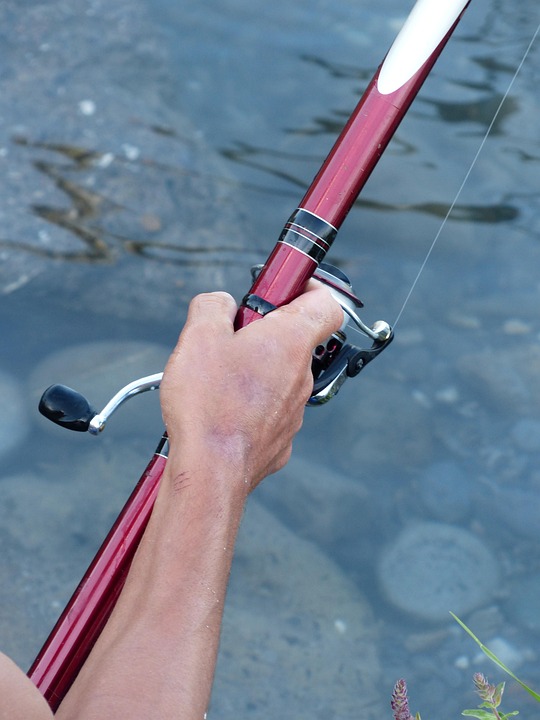
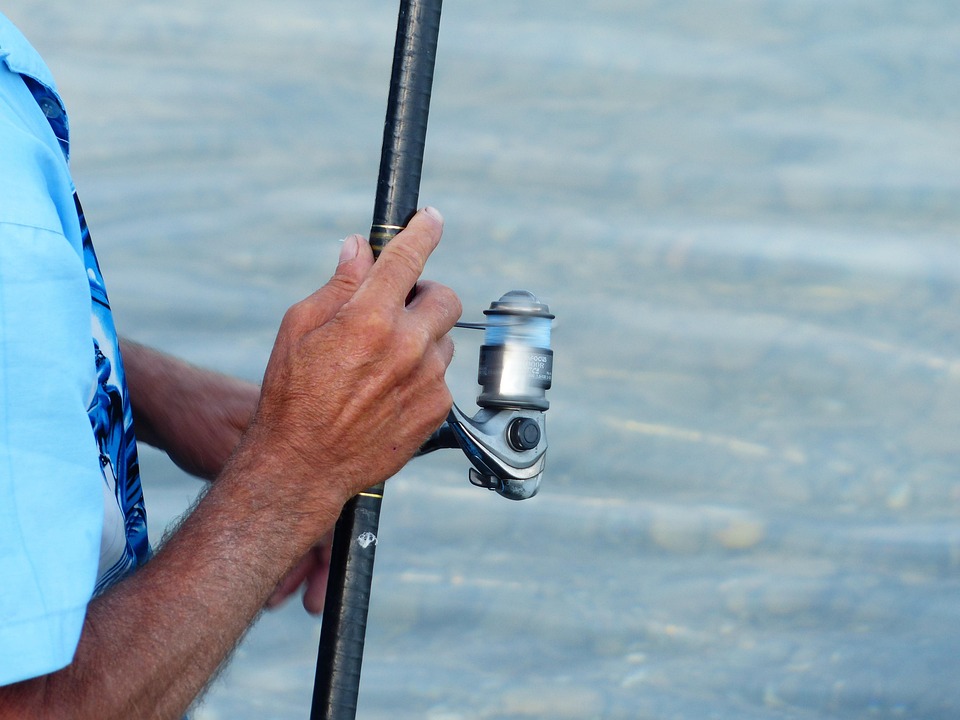
A basic setup includes a fishing rod, reel, fishing line, tackle box, and various baits. Upgrading your equipment based on your experience and targets can further enhance your fishing experience.
- advanced bass fishing
- bass angling
- bass fishing
- bass fishing baits
- bass fishing destinations
- bass fishing for beginners
- bass fishing guides
- bass fishing lakes
- bass fishing lures
- bass fishing patterns
- bass fishing reels
- bass fishing rigs
- bass fishing rods
- bass fishing seasons
- bass fishing tactics
- bass fishing techniques
- bass fishing tips
- crankbait bass fishing
- deep water bass fishing
- jig bass fishing
- largemouth bass fishing
- reservoir bass fishing
- river bass fishing
- shallow water bass fishing
- smallmouth bass fishing
- soft plastic bass fishing
- spinnerbait bass fishing
- spotted bass fishing
- topwater bass fishing
- tournament bass fishing











Leave a comment