


















Bass fishing has long been a beloved pastime, drawing in anglers from all walks of life. Whether you’re a seasoned pro or a novice casting your first line, understanding the intricacies of this rewarding sport can significantly enhance your experience. In this guide, we’ll delve into proven tactics and essential tips that will help you master the art of bass fishing.
Understanding Bass Behavior
Before you can effectively catch bass, it’s crucial to understand their behavior patterns. Bass are often referred to as ambush predators, lying in wait for prey to swim by. They are most active during dawn and dusk, making these times ideal for fishing. Factors such as temperature, water clarity, and seasonal shifts all influence where bass are located and how they behave.
Seasonality and Bass Movement
- Spring: As water temperatures rise, bass move from deeper waters to spawn in shallow areas. This is a prime time for anglers to employ topwater lures.
- Summer: During the warmer months, bass seek cooler, deeper waters. Focus your efforts on submerged structures and shaded areas.
- Fall: With the arrival of cooler temperatures, bass become increasingly aggressive as they feed in preparation for winter.
- Winter: Fishing slows down; focus on deep structures as bass become lethargic.
Choosing Your Gear
Your choice of gear can make a significant difference in your fishing success. Let’s break down the fundamental pieces you’ll need:
Rods and Reels
- Rods: A medium-action rod is versatile for bass fishing. Length can range from 6 to 7 feet, depending on your fishing style and technique.
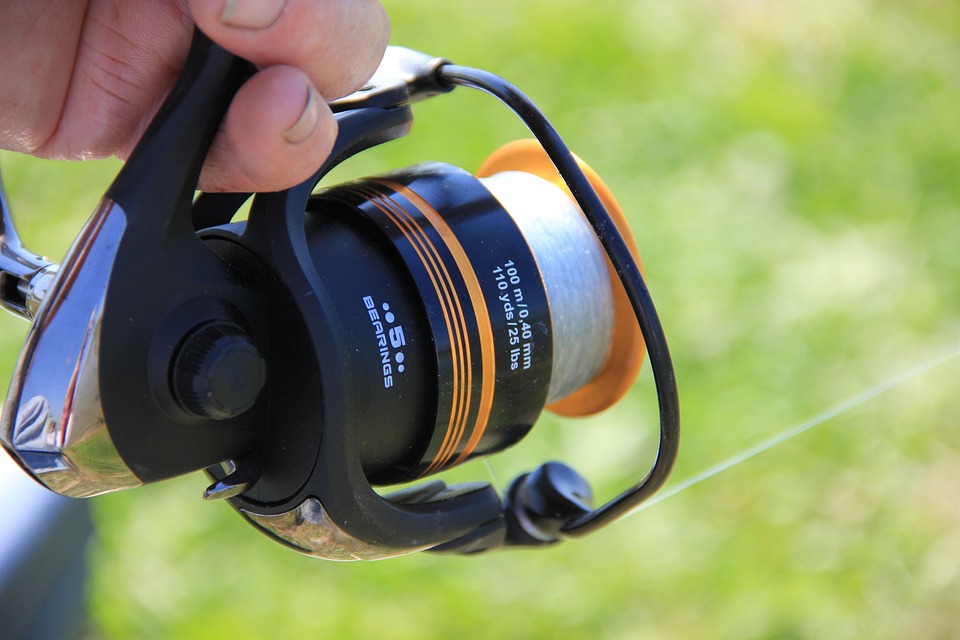
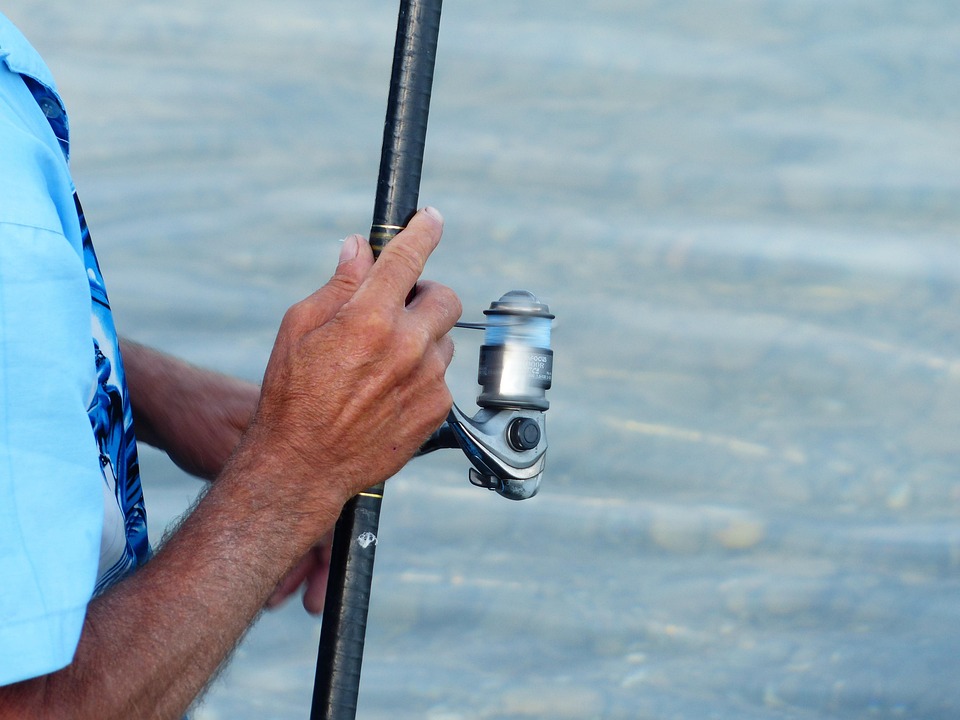
- Reels: Baitcasting reels are often preferred for their precision. Look for reels with a gear ratio of at least 6:1 for faster retrieval.
Lines and Lures
- Lines: Braided line offers high sensitivity and strength, while fluorocarbon is excellent for clear waters.
- Lures: A variety of lures can entice bass, including crankbaits, spinnerbaits, and jigs. Each has its unique advantages based on water conditions.
Techniques for Success
Running through the right techniques is as crucial as having the right gear. Here are expert-recommended tactics that every angler should master:
Topwater Fishing
Topwater lures like poppers and buzzbaits create surface disturbances that are irresistible to bass. The thrill of seeing a bass strike at the surface is unmatched.
Flipping and Pitching
These techniques are ideal for covering specific areas, especially around heavy cover. By flipping or pitching a lure directly into a tight spot, you can entice bass hiding among the weeds or under docks.
Carolina Rigging
This technique involves a weight sliding above a swivel, which allows the bait to move freely. It is effective in deep water and can be particularly good during the summer months when bass go deeper.
Reading the Water
One of the key skills in bass fishing is the ability to read the water. Look for signs such as:
- Change in water temperature (fish congregate in specific temp ranges)
- Visible cover like rocks, fallen trees, and vegetation
- Water movement can indicate current; bass often sit in ambush points in moving water.
Staying Safe and Responsible
No fishing trip would be complete without the emphasis on safety and environmental responsibility. Always wear a life jacket and use sunscreen. It’s also essential to adhere to local fishing regulations, including catch limits and licensing.
Conclusion
Mastering bass fishing requires time, practice, and a willingness to learn. By understanding bass behavior, selecting the appropriate gear, employing effective techniques, and respecting the environment, you can significantly improve your fishing success. Enjoy the process, stay patient, and revel in the incredible journey that bass fishing offers. The tranquility of the water, the thrill of the catch, and the joy of being in nature are what make this sport truly exceptional.
FAQs
1. What is the best time of day to fish for bass?
The best times are usually early morning and late afternoon when bass are most active feeding.
2. How can I improve my casting distance?
Practice your technique, focusing on your stance and follow-through. Using a heavier lure can also help increase distance.
3. What bait should I use for bass fishing?
The best bait varies by season; however, popular options include plastic worms, crankbaits, and spinnerbaits.
4. How do I know where to find bass?
Look for structures, vegetation, and changes in depth. Bass tend to congregate around cover and ambush points.
5. What is catch and release, and why is it important?
Catch and release involves returning caught fish back into the water to help maintain fish populations and ecosystems. It’s vital for sustainable fishing practices.
- advanced bass fishing
- bass angling
- bass fishing
- bass fishing baits
- bass fishing destinations
- bass fishing for beginners
- bass fishing guides
- bass fishing lakes
- bass fishing lures
- bass fishing patterns
- bass fishing reels
- bass fishing rigs
- bass fishing rods
- bass fishing seasons
- bass fishing tactics
- bass fishing techniques
- bass fishing tips
- crankbait bass fishing
- deep water bass fishing
- jig bass fishing
- largemouth bass fishing
- reservoir bass fishing
- river bass fishing
- shallow water bass fishing
- smallmouth bass fishing
- soft plastic bass fishing
- spinnerbait bass fishing
- spotted bass fishing
- topwater bass fishing
- tournament bass fishing








Leave a comment