












Fishing is more than just a relaxing pastime; it’s a way to connect with nature, hone skills, and perhaps, even bring home dinner. For beginners, however, the myriad of techniques, equipment, and jargon can be overwhelming. This guide aims to demystify essential fishing techniques, offering insights and practical advice to help you embark on your fishing journey with confidence.
Understanding the Basics: Types of Fishing
Before diving into techniques, it’s crucial to understand the different types of fishing, each requiring specific methods:
- Freshwater Fishing: Involves fishing in lakes, rivers, and ponds. Common targets include bass, trout, and panfish.
- Saltwater Fishing: Practiced in oceans and seas, targeting species like tuna, marlin, and snapper. Requires more specialized gear due to the challenging environment.
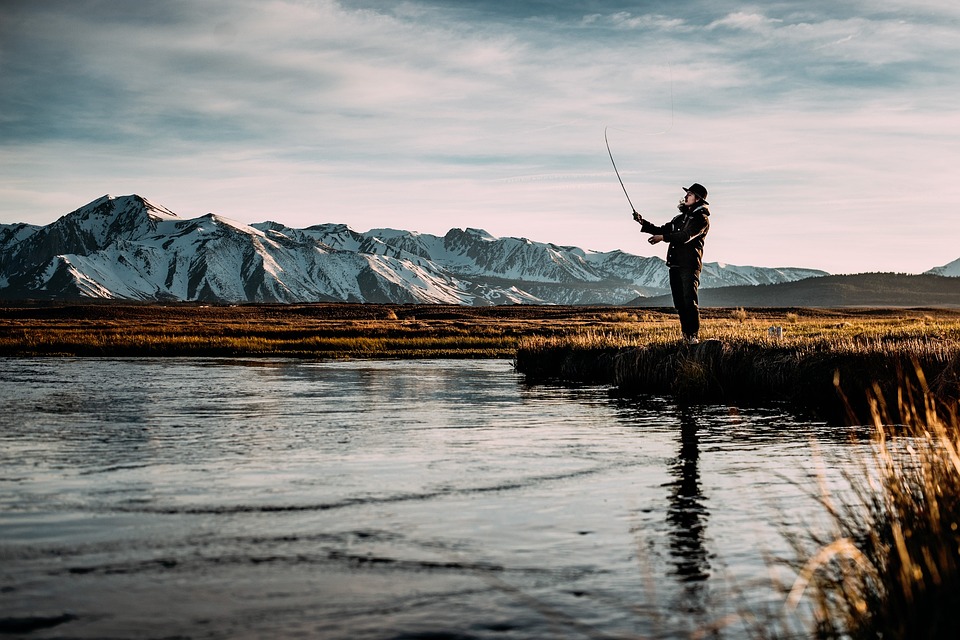
- Fly Fishing: A specialized technique using artificial flies instead of bait, primarily effective for catching fish like trout and salmon.
- Ice Fishing: Involves fishing through holes in frozen lakes or rivers during winter months.
- Surf Casting: A method that involves fishing from the shore using long rods to cast beyond the breakers.
Essential Gear and Equipment
Your fishing experience largely depends on having the right equipment. Here’s what you need to know:
Rod and Reel
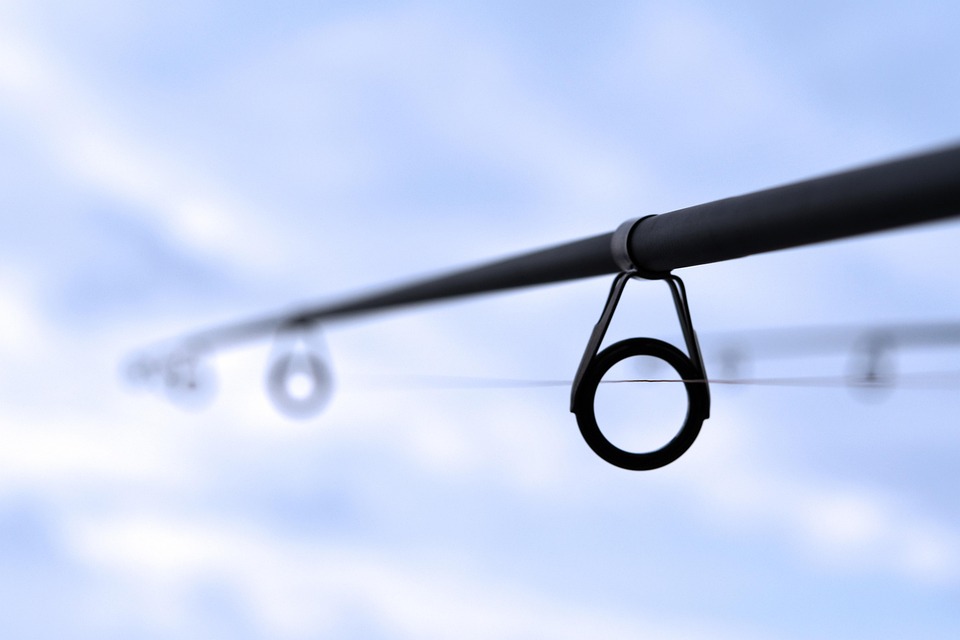
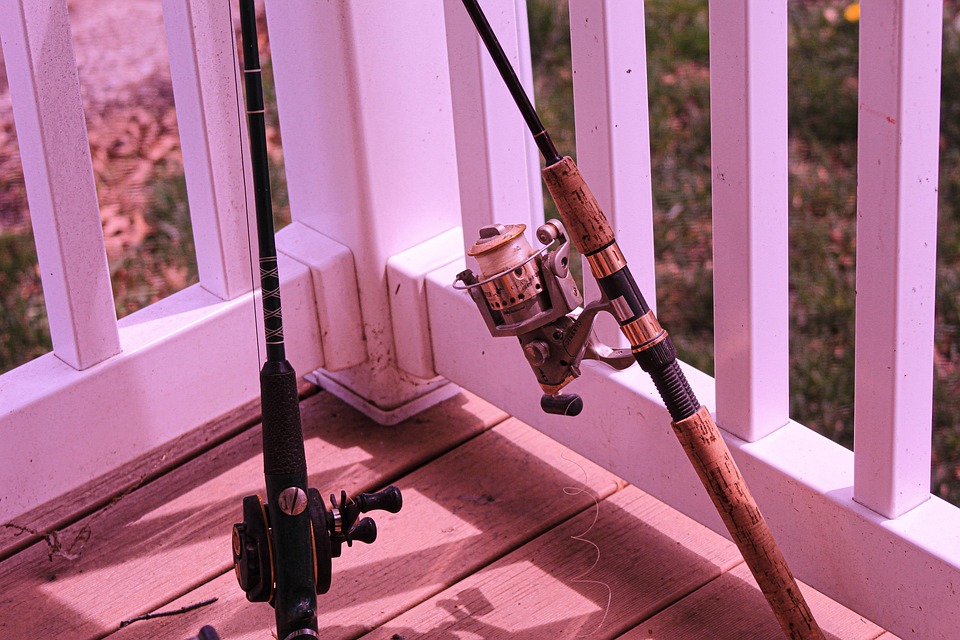
Choosing the right rod and reel can enhance your fishing efficiency. For beginners, a medium-action spinning rod is advisable. It’s versatile enough for various types of fishing and easy to handle. Pair it with a spinning reel, which is user-friendly and suitable for most freshwater fishing. Typical lengths range from 6 to 7 feet.
Bait and Lures
Choosing the right bait is crucial for attracting fish. Live bait like worms, minnows, or insects is often more effective than artificial lures. However, lures offer convenience and come in various shapes, sizes, and colors. For beginners, popular lures include:
- Spinnerbaits: Good for attracting bass and pike.
- Crankbaits: Mimics injured fish, ideal for bass and trout.
- Flies: Used in fly fishing, designed to mimic insects or small fish.
Fishing Line and Hooks
Selecting the right fishing line is essential. Monofilament lines are great for beginners due to their ease of use. Typically, a 10- to 12-pound test line works well for freshwater fishing. Hooks come in various sizes; a good starting size is #10 or #8, versatile for many bait types.
Important Accessories
Some additional gear will improve your fishing experience:
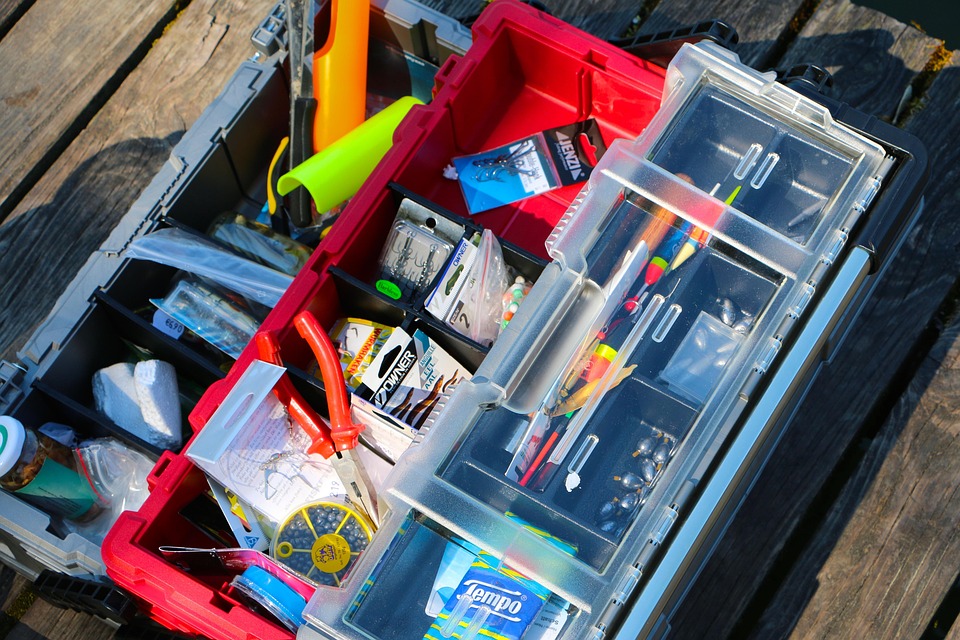
- Tackle Box: Organizes your bait, lures, and other accessories.
- Bobbers: Helps detect bites by signaling when a fish is on your line.
- Weights: Helps your bait sink to the desired depth.
- Fishing License: Always check local regulations; most regions require a fishing license for legal fishing.
Fundamental Fishing Techniques
Once armed with your gear, mastering some key techniques will significantly enhance your success rate. Below are a few essential methods:
1. Casting
The ability to cast efficiently is fundamental to fishing. Start with a basic overhead cast:
- Hold the rod at an angle of about 45 degrees.
- Pull the line out to let it hang below the rod.
- Bring the rod tip back behind you, and with a smooth motion, swing it forward, releasing the line when the rod reaches about 10 o’clock.
Practice this motion to improve your accuracy and distance.
2. Retrieval Techniques
Retrieving your bait or lure properly can mean the difference between a catch and a missed opportunity. Here are a few techniques:
- Slow Retrieve: Ideal for shallow waters. Reel slowly, allowing the lure to stay in the strike zone.
- Fast Retrieve: Used to attract active fish. Keep the lure moving quickly to induce strikes.
- Popping Retrieve: Creates a ‘popping’ sound by jerking the rod, mimicking a distressed prey.
3. Setting the Hook
Once you feel a tug on your line, it’s crucial to set the hook swiftly. Here’s how:
- Once you feel a bite, wait for a moment to ensure the fish has taken the bait.
- With a quick upward motion, yank the rod to set the hook in the fish’s mouth.
Practice this skill to increase your catch rate.
4. Playing the Fish
After hooking a fish, it’s essential to play it properly. Avoid reeling in too fast, which may cause the line to snap. Instead, let the fish tire itself out before reeling it in.
Safety and Conservation Tips
While fishing can be an enjoyable hobby, it’s essential to ensure your safety and the conservation of aquatic ecosystems:
- Always wear a life jacket: If you’re fishing from a boat or kayak.
- Be respectful of local regulations: Follow catch-and-release guidelines and size limits.
- Dispose of trash properly: Keep waterways clean and minimize your environmental footprint.
- Respect wildlife: Be mindful of spawning seasons and protected species.
Conclusion
Fishing is an enriching experience that combines patience, skill, and an appreciation for nature. As a beginner, understanding fundamental techniques and proper gear can significantly heighten your enjoyment and success. With practice, your skills will improve, and you’ll discover the rhythms of the water that make fishing a timeless activity. Whether you’re casting from a quiet bank, bobbing on a boat, or wading in a stream, the experiences you gain will create lasting memories.
FAQs
What type of fishing rod should a beginner use?
A medium-action spinning rod around 6-7 feet long is ideal for beginners; it’s versatile and simple to use.
How do I know what bait to use?
Research local fish species and their preferred diet. Live bait is often more effective, but lures can be advantageous in various conditions.
Do I need a fishing license?
Yes, most regions require a fishing license. Check your local regulations to ensure compliance.
How do I properly release a fish?
Wet your hands before handling the fish, minimize its time out of the water, and gently remove the hook. Support the fish gently and place it back in the water.
What are the best times to fish?
Early mornings and late evenings often provide the best conditions for fishing, as fish are usually more active during these times.
- advanced fishing techniques
- artificial bait fishing
- bait fishing
- boat fishing methods
- casting fishing
- deep sea fishing techniques
- drift fishing
- fishing knots techniques
- fishing methods
- fishing methods for beginners
- fishing rigs methods
- fishing strategy tips
- fishing techniques
- fly fishing techniques
- freshwater fishing techniques
- inshore trolling
- jigging fishing
- live bait fishing
- lure fishing methods
- modern fishing techniques
- offshore trolling
- popping fishing
- professional fishing methods
- saltwater fishing techniques
- shore fishing methods
- slow jigging
- spinning fishing
- topwater popping
- trolling fishing
- vertical jigging












Leave a comment