






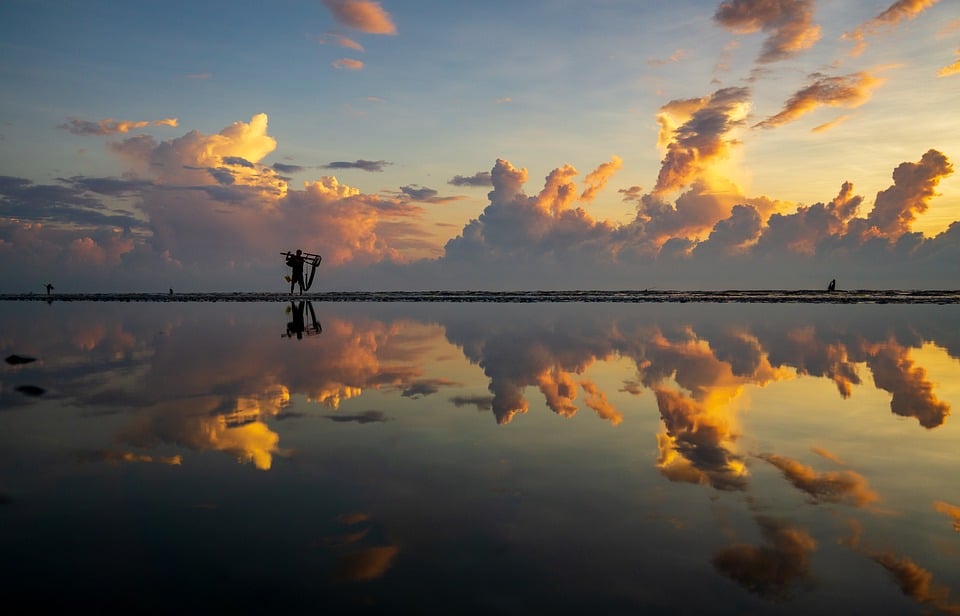


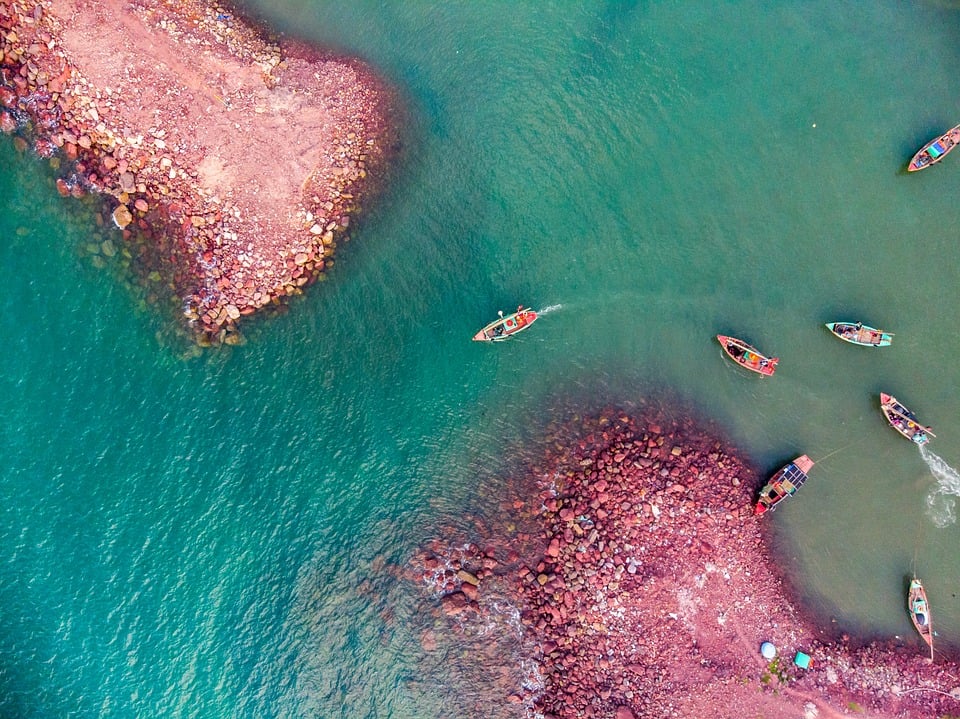
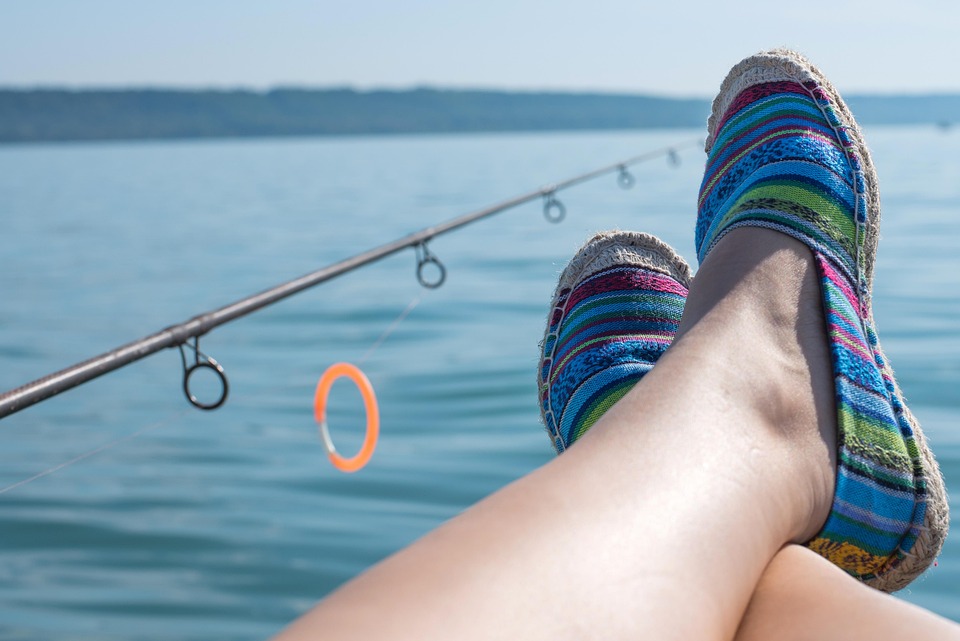


Deep sea fishing offers an exhilarating experience, drawing anglers from all walks of life to venture into the vast, mysterious ocean depths in search of the perfect catch. Unlike traditional fishing, deep sea fishing requires specialized techniques and equipment tailored for the unique challenges of the open water. With its own set of rules and strategies, mastering deep sea fishing can open doors to exciting new adventures and unforgettable moments on the water.
Understanding the Ocean’s Depths
Before diving into the methods and techniques, it’s paramount to comprehend the environment in which you’ll be fishing. Deep sea fishing typically takes place at depths greater than 30 meters (about 98 feet) and can extend down to several thousand meters. At such depths, factors like water temperature, pressure, and light conditions dramatically change, influencing fish behavior and habitat.
Choosing the Right Equipment
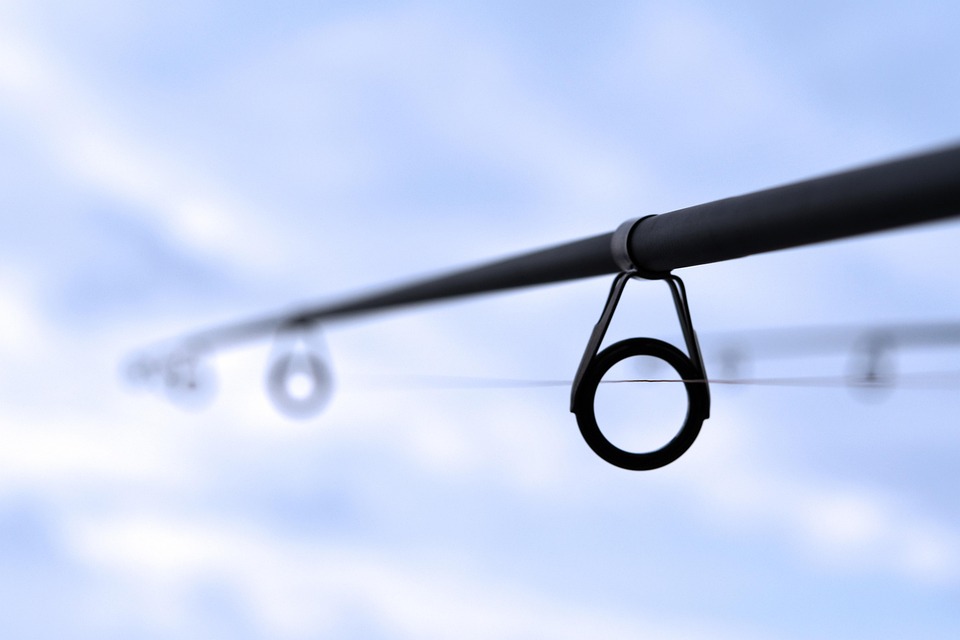
One of the first steps to successful deep sea fishing is selecting the right gear. This includes specialized rods, reels, and lines designed to withstand the immense pressure and force of large fish.
- Rod and Reel: Choose tackle with a heavy power rating to handle big game fish. Conventional reels are commonly preferred for their superior line capacity and cranking power.
- Line: Use braided line for its strength-to-diameter ratio and minimal stretch, which allows for better sensitivity and quicker hook sets.
- Terminal Tackle: Ensure you have a mix of hooks, weights, and leaders that can handle the size and behavior of your target species.
Identifying Target Species
Understanding the species you aim to catch plays a crucial role in your success. Different fish inhabit various depths and exhibit distinct feeding behaviors.
Popular Deep Sea Fish Species
- Tuna: Highly sought after, these fast swimmers are abundant in warmer waters.
- Mahi-Mahi: Known for their vibrant colors, Mahi-Mahi are often found near floating debris.
- Sharks: Many anglers seek larger species, such as mako or hammerhead sharks, for the thrill of the catch.
- Snapper: Often residing in rocky structures on the ocean floor, snapper are popular targets for their tasty fillets.
Techniques for Successful Deep Sea Fishing
Once equipped and informed, the next step is mastering the various techniques that can enhance your chances of success.
1. Bottom Fishing
Bottom fishing is a primary technique for capturing species like snapper and grouper. This involves lowering your baited hook to the ocean floor, using weights to keep it anchored. Understanding the currents and structures in the area can significantly improve your success rate.
2. Trolling
Trolling is a highly regarded method where lures or baited hooks are dragged behind a moving boat. This technique allows for covering large areas and is particularly effective for pelagic species like tuna. Key considerations include:
- Adjusting speed: Different species prefer different trolling speeds.
- Choosing the right lures: Matching the color and size to the target species can lead to better results.
3. Live Baiting
Using live bait can be one of the most effective fishing techniques. Species such as kings and sailfish often prefer live bait over artificial lures. When using this method, being mindful of your bait’s natural movement can attract predatory fish.
4. Drifting
Drifting is particularly effective in areas with significant fish activity. This technique involves allowing the current to carry your bait, which can entice fish that are naturally foraging in the water column.
Safety First
Deep sea fishing can be exhilarating, but safety must always remain a priority. Here are a few essential tips:
- Wear life jackets and ensure they are properly fitted.
- Stay aware of the weather; unexpected storms can arise quickly.
- Equip your vessel with necessary safety gear, including flares, a first aid kit, and communication devices.
Conservation and Ethics
With great adventure comes great responsibility. Sustainable fishing practices are vital for preserving marine ecosystems. Consider the following:
- Practice catch and release for species that are endangered or have size/quantity restrictions.
- Be informed about local regulations concerning seasons and size limits.
- Minimize your environmental impact, such as avoiding anchoring on sensitive coral reefs.
Mastering deep sea fishing requires a blend of knowledge about the ocean, the right equipment, and effective techniques. As much as it is a technical sport, it’s also an opportunity to connect with nature and enjoy the tranquil beauty of the ocean. Whether you’re targeting elusive species or simply enjoying the thrill of the chase, these tips and techniques will enhance your deep sea fishing adventures. Remember, with proper preparation and responsibility, the deep sea not only offers anglers the thrill of a lifetime but also the preservation of our precious marine ecosystems for future generations.
FAQs
What is the best time of year for deep sea fishing?
The best time varies by location, but generally, spring and summer are ideal, as many species are more active during these seasons.
Do I need a special license for deep sea fishing?
Yes, a fishing license is typically required for deep sea fishing, and specific regulations may apply depending on the species targeted.
What should I wear when deep sea fishing?
Dress in layers to adapt to changing weather conditions, wear sun protection, and comfortable, non-slip footwear.
How can I prevent seasickness while deep sea fishing?
Consider taking preventive medications, stay hydrated, and focus on the horizon to help minimize symptoms.
Are there guided deep sea fishing tours available?
Yes, many locations offer guided tours, which can be a great way for beginners to learn from experienced anglers.
- advanced fishing techniques
- artificial bait fishing
- bait fishing
- boat fishing methods
- casting fishing
- deep sea fishing techniques
- drift fishing
- fishing knots techniques
- fishing methods
- fishing methods for beginners
- fishing rigs methods
- fishing strategy tips
- fishing techniques
- fly fishing techniques
- freshwater fishing techniques
- inshore trolling
- jigging fishing
- live bait fishing
- lure fishing methods
- modern fishing techniques
- offshore trolling
- popping fishing
- professional fishing methods
- saltwater fishing techniques
- shore fishing methods
- slow jigging
- spinning fishing
- topwater popping
- trolling fishing
- vertical jigging











Leave a comment