














Reef fishing is one of the most exciting angling experiences you can have. With vibrant marine life and the promise of sizeable catches, it attracts countless fishing enthusiasts every year. However, as a beginner, navigating the nuances of tackle, techniques, and safety protocols can be overwhelming. This guide aims to simplify that process and equip you with the essential knowledge for a fruitful and enjoyable reef fishing experience.
Understanding Reef Fishing
Reef fishing typically takes place near ocean reefs, where coral structures create a unique habitat that supports a diverse array of fish species. Reef areas offer plenty of hiding spots for fish, making them a paradise for anglers. Species like grouper, snapper, barracuda, and amberjack are commonly sought after in these regions.
Essential Tackle for Reef Fishing
Your fishing success largely hinges on the gear you use. Here’s a breakdown of the essential tackle required for reef fishing:
1. Rod and Reel
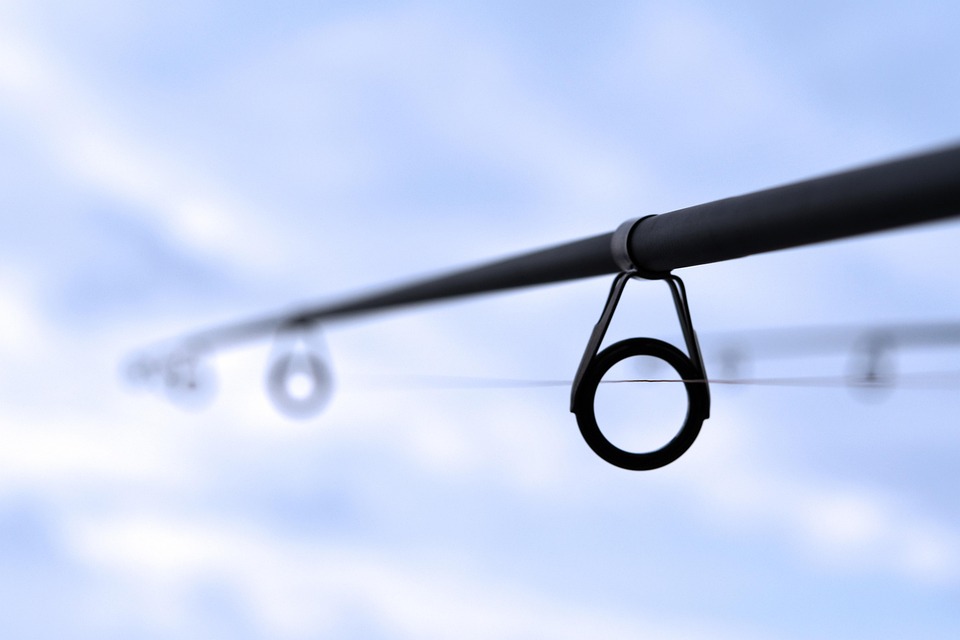
Choosing the right rod and reel is crucial. A medium to heavy-action rod with a length between 6 to 7 feet is usually ideal for reef fishing, as it provides balance and strength. Pair this with a spinning reel or a baitcasting reel with a high gear ratio to allow for quick retrieval.
2. Fishing Line
The type of fishing line can significantly affect your success. Monofilament lines are often recommended for beginners due to their ease of use and flexibility. However, braided lines provide better sensitivity and strength. A test line rating of 20 to 50 lbs is advisable, as you’ll want something robust enough to handle larger fish.
3. Hooks
The size and type of hooks can vary depending on the species you’re targeting. Circle hooks are highly recommended as they reduce the likelihood of deep hooking and increase catch-and-release success rates.
4. Weights and Sinkers
Using weights helps your bait sink to the fish. Egg sinkers, pyramid sinkers, or bank sinkers work well for maintaining bottom contact. The weight you choose will depend on the current and depth of the water.
5. Bait
Live bait is often the best choice for reef fishing. Common options include:
- Pinfish
- Squid
- Shrimp
- Other small fish
Additionally, using attractants can boost your chances.
Techniques for Effective Reef Fishing
Once equipped with the right tackle, it’s time to learn some essential techniques:
1. Anchoring and Drifting
Decide whether to anchor or drift based on factors like current and targeted species. Anchoring keeps you in one spot, which is advantageous if fish are concentrated in one area. On the other hand, drifting allows you to cover more ground and find differing species.
2. Bottom Fishing
Bottom fishing is a popular method that involves letting your bait rest on the ocean floor, where many reef species feed. Ensure your weight is sufficient to maintain contact with the bottom but light enough to allow natural bait presentation.
3. Trolling
Trolling is effective for covering larger areas and targeting pelagic species like kingfish. Use lures or dead bait, dragging them behind a moving boat. Speed and lure selection can be adjusted to entice various species.
4. Chumming
Chumming involves dispersing bait to attract fish to your location. This method can be highly effective in drawing in species like snapper and grouper. Use a mix of ground fish and small baits to enhance your chumming strategy.
Safety First: Precautions When Reef Fishing
While enjoying the thrill of reef fishing, it’s vital to prioritize safety:
1. Sunscreen and Protective Clothing
Reef fishing often means long hours under the sun. Use a high SPF sunscreen, wear a wide-brimmed hat, and utilize UV-protective clothing.
2. Stay Hydrated
Bring along plenty of water to stay hydrated. Dehydration can shake your focus and stamina, both crucial for fishing.
3. First Aid Kit
A first-aid kit can be a lifesaver for minor injuries and sunburn, so ensure it’s stocked and easily accessible.
4. Know Your Gear
Familiarize yourself with your tackle, and ensure everything is in working order before you venture out. Check lines for frays, hooks for sharpness, and ensure your boat is well-equipped.
Conclusion
Reef fishing is a rewarding and exhilarating pastime that provides an opportunity to bond with nature and catch some impressive fish. Starting with the right tackle, employing effective techniques, and prioritizing safety will ensure that your experience is enjoyable and successful. As you grow in knowledge and skill, try to keep learning and adapting your approach, as the ocean always offers something new to discover. Embrace the adventure, and soon enough, you’ll be reeling in those prized catches.
Frequently Asked Questions (FAQs)
1. What fish can I catch while reef fishing?
Some common species include grouper, snapper, amberjack, and barracuda, among others.
2. Do I need a fishing license for reef fishing?
Yes, most regions require a fishing license. Check local regulations to ensure compliance.
3. Can I go reef fishing alone?
While it is possible, it is safer and more enjoyable to fish with a buddy. Always inform someone of your plans.
4. What time of year is best for reef fishing?
Spring and summer are typically the best seasons for reef fishing, while fall can also yield great catches depending on your location.
5. How do I handle my catch?
Use wet hands or a wet cloth when handling fish to minimize damage to their protective slime layer. Consider catch-and-release techniques if you’re not keeping your catch.
- barracuda fishing
- beach fishing
- big game fishing
- bluewater fishing
- boat fishing
- coastal fishing
- deep ocean fishing
- deep sea fishing
- drift fishing
- grouper fishing
- jigging fishing
- kingfish fishing
- mahi mahi fishing
- marlin fishing
- ocean fishing
- offshore fishing
- pier fishing
- reef fishing
- sailfish fishing
- saltwater angling
- saltwater fishing
- saltwater fishing guides
- shark fishing
- shore fishing
- snapper fishing
- sport fishing
- surf fishing
- trolling fishing
- tuna fishing











Leave a comment