





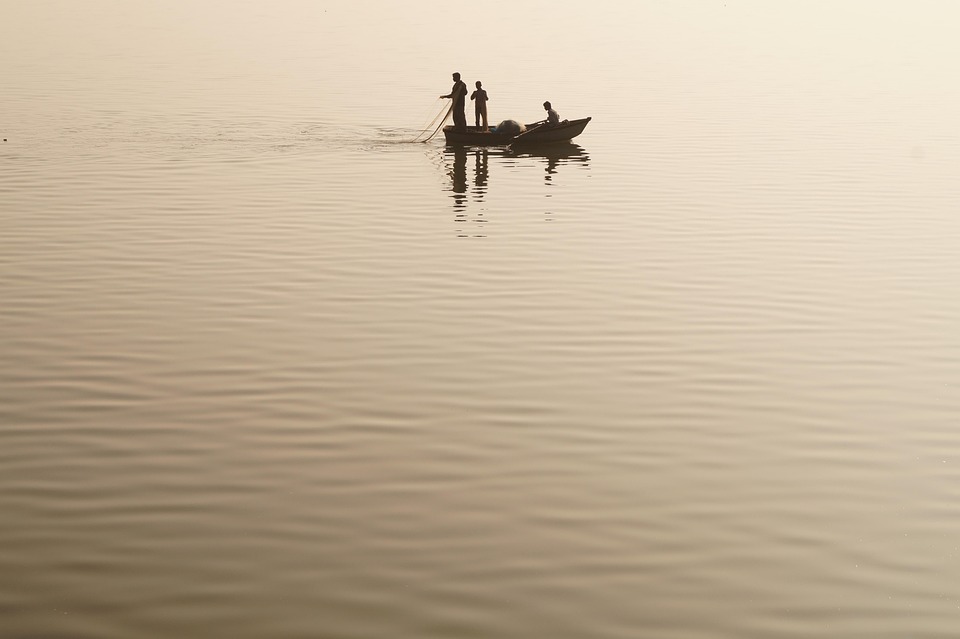




For many, the call of the sea is as natural as the ebb and flow of tides. Saltwater fishing, with its vast expanse of ocean and diverse ecosystems, offers anglers a unique experience that combines the thrill of the catch with the serenity of salty waters. Whether you’re an experienced fisherman or this is your first venture into the deep blue, understanding the nuances of saltwater fishing is essential. In this guide, we explore everything you need to know about saltwater fishing—from techniques and gear to regulations and cooking your catch.
The Basics of Saltwater Fishing
Saltwater fishing distinguishes itself from freshwater fishing in both its techniques and environments. With over 70% of the Earth’s surface covered by saltwater, the opportunities for fishing are boundless. Here are some fundamental concepts to wrap your head around:
Types of Saltwater Fishing:
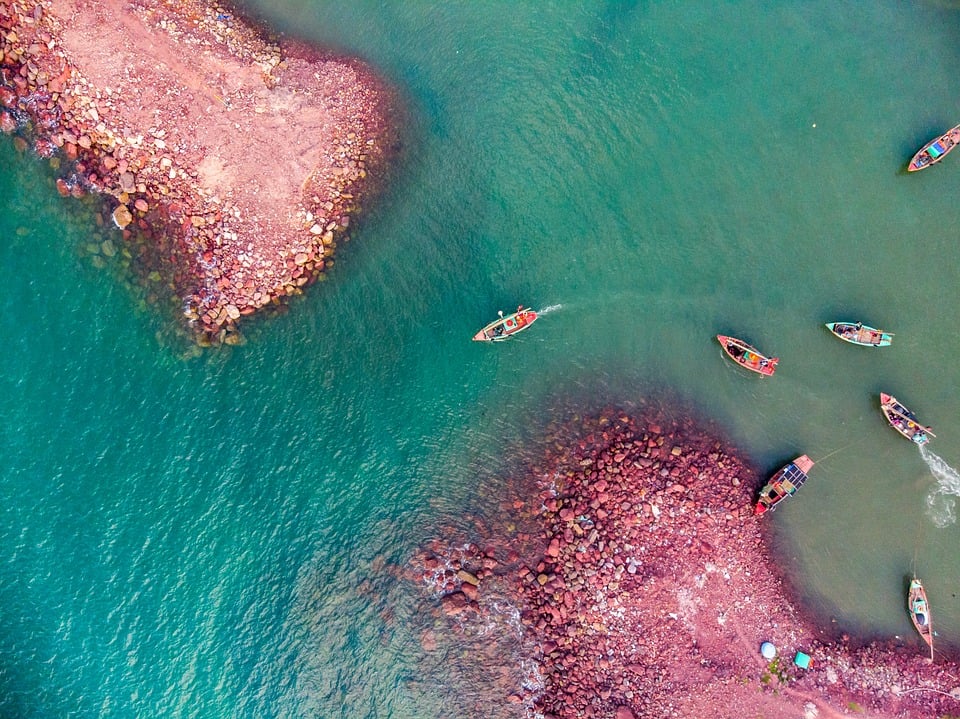
- Inshore Fishing: This involves fishing in waters close to the shore, targeting species like snook and redfish.
- Offshore Fishing: This is conducted in deeper waters where larger species such as tuna and marlin thrive.
- Surf Fishing: Casting from the beach to catch species like striped bass and flounder.
Essential Gear for Saltwater Fishing
The right equipment can make a significant difference in your fishing success. Here’s what you need to consider for your saltwater fishing gear:
Rods and Reels
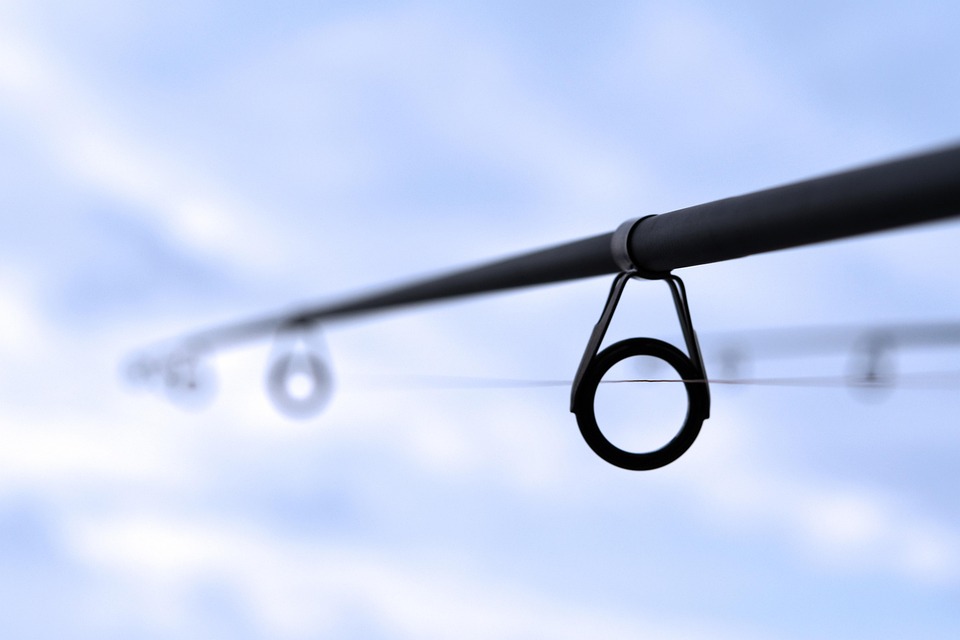
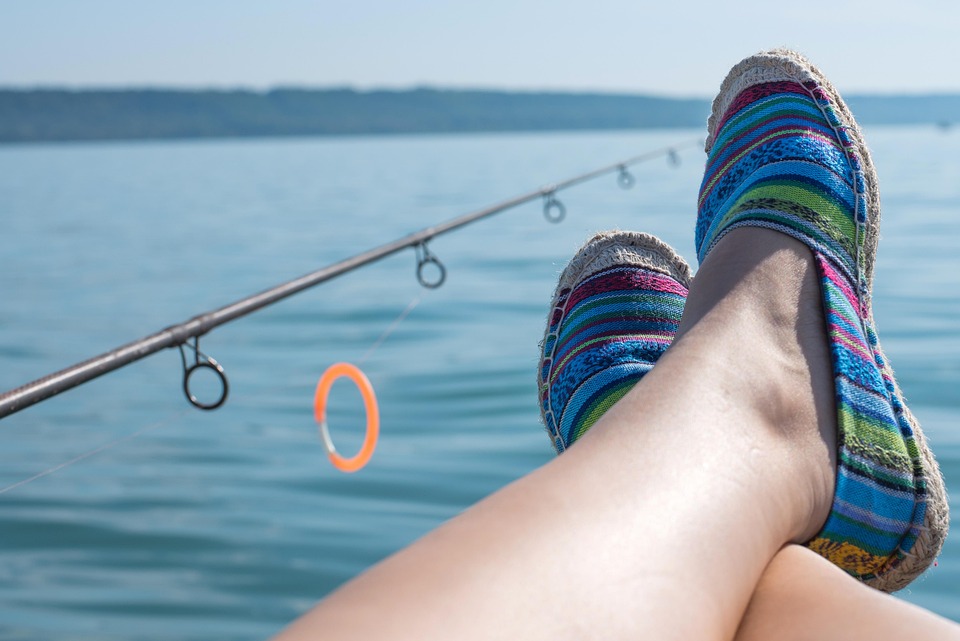
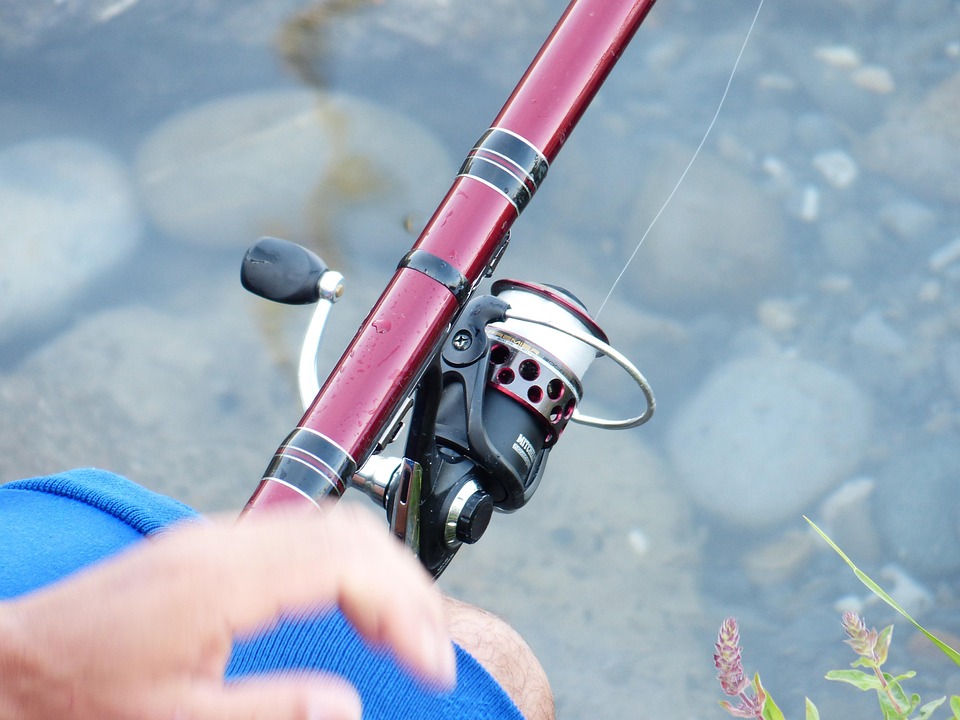
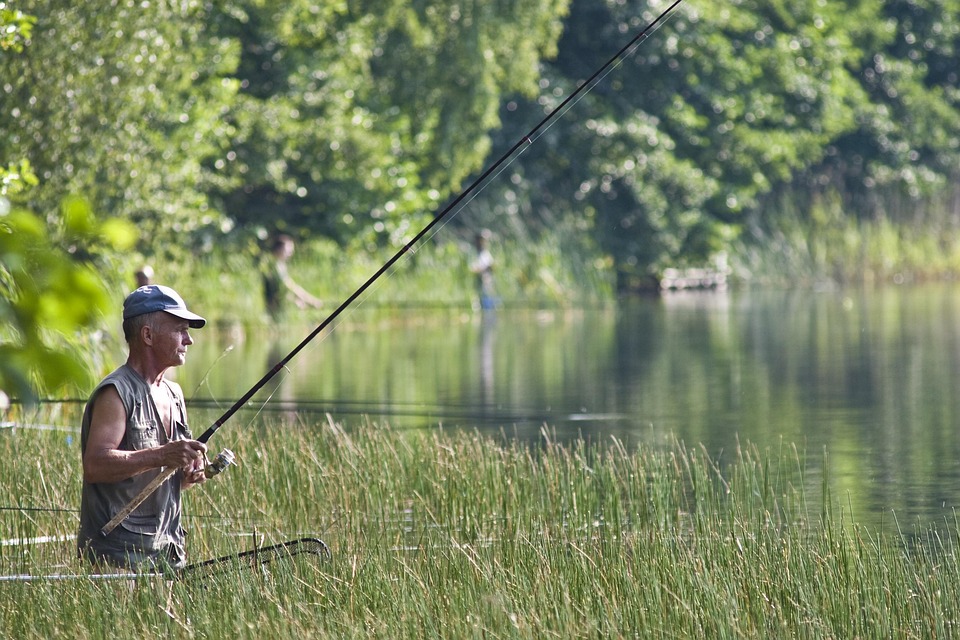
Saltwater fishing rods are typically longer and sturdier than their freshwater counterparts. Choose a rod designed for the type of fishing you’ll be doing:
- Spinning Rods: Ideal for beginners due to their ease of use.
- Baitcasting Rods: Great for precise casting but require more skill to master.
The reels can be classified into:
- Spinning Reels: Suitable for light tackle and finesse fishing.
- Conventional Reels: Designed for larger, stronger fish in deep waters.
Lines and Leaders
Saltwater fishing lines generally need to be tougher than freshwater lines due to salt’s corrosiveness and the size of saltwater species. Monofilament, fluorocarbon, and braided lines each have their advantages and should be selected based on the fishing conditions and target species.
Baits and Lures
Choosing the right bait is crucial. Live bait, like shrimp and minnows, is often more effective, but artificial lures can also attract fish effectively. Local tackle shops usually provide insights on what’s working in your area at the moment.
Techniques and Tips for Success
Mastering different fishing techniques can significantly improve your catch rate:
Casting Techniques
When casting, aim for structures like rocks, reefs, or piers where fish tend to hide. Practice your casting to ensure accuracy and distance.
Drift Fishing
Drifting is an effective method in offshore fishing that allows your bait to move with the water currents. This technique is particularly useful when targeting species like snapper and grouper.
Bottom Fishing
This method involves dropping your bait to the ocean floor, appealing to fish that dwell near the bottom. Use weights to hold your bait in place against the current.
Understanding Regulations and Best Practices
Fisheries management plays a crucial role in conserving marine resources. Familiarize yourself with local regulations, including:
- Licensing: Most states require a fishing license. Be sure to check the requirements.
- Catch Limits: Adhere to size and bag limits set by authorities to help sustain fish populations.
- Protected Species: Familiarize yourself with species that are protected and cannot be caught.
Cooking Your Catch
As the old adage goes, “The best fish is the one you catch yourself.” Cooking your catch is part of the fishing experience. Here are some easy and popular methods:
Grilling
Grilling is a fast and flavorful method. Simply marinate your fish in olive oil, lemon juice, and herbs, then grill for about 3-5 minutes per side.
Frying
Breading and frying fish create a crispy delight. Dip fillets in seasoned flour or cornmeal and fry them in hot oil until golden brown.
Baking
Baking is a healthy option. Place fish on a baking sheet, season, and bake at 375°F (190°C) for 15-20 minutes.
Conclusion
Saltwater fishing is more than just a pastime; it’s a way to connect with nature, share time with friends and family, and enjoy the thrill of the catch. Whether you’re out for the enjoyment of fishing or seeking the perfect recipe for your next meal, the ocean promises something unique for everyone. By investing in the right gear, adopting effective techniques, and respecting marine organisms through sustainable practices, you can truly become a well-rounded angler. So grab your rod, head to the water, and discover the bounty of the ocean!
FAQs
Do I need a fishing license for saltwater fishing?
Yes, most states require a fishing license for saltwater fishing. Be sure to check local regulations.
What gear do I need for beginners?
A basic spinning rod and reel combo, a selection of hooks, weights, and bait are usually sufficient for beginners.
What types of fish can I catch in saltwater?
Common species include snapper, grouper, tuna, marlin, and various types of bass, depending on your location.
When is the best time to go saltwater fishing?
The time of day often affects fish activity. Early morning and late afternoon are typically the best times to fish.
How do I ensure I follow sustainable fishing practices?
Always adhere to local fishing regulations, including catch limits and closed seasons, and consider catch-and-release when appropriate.
- barracuda fishing
- beach fishing
- big game fishing
- bluewater fishing
- boat fishing
- coastal fishing
- deep ocean fishing
- deep sea fishing
- drift fishing
- grouper fishing
- jigging fishing
- kingfish fishing
- mahi mahi fishing
- marlin fishing
- ocean fishing
- offshore fishing
- pier fishing
- reef fishing
- sailfish fishing
- saltwater angling
- saltwater fishing
- saltwater fishing guides
- shark fishing
- shore fishing
- snapper fishing
- sport fishing
- surf fishing
- trolling fishing
- tuna fishing










Leave a comment