














Introduction
Catfish hunting is a thrilling experience that combines skill, patience, and the joy of connecting with nature. Catfish are among the most popular freshwater fishes, loved not only for their unique appearance but also for their size and fighting spirit when hooked. This guide will delve into everything you need to know about catfish hunting, from selecting the right equipment and bait to employing effective fishing techniques.
Understanding Catfish Species
Before embarking on your catfish hunting adventure, it’s vital to understand the main catfish species you’ll encounter, primarily:
- Channel Catfish: A popular choice among anglers, channel catfish can weigh up to 50 pounds. They are easily recognizable by their deeply forked tail and whisker-like barbels.
- Blue Catfish: Known for their impressive size, blue catfish can grow over 100 pounds. They thrive in larger waters and can be found in lakes and rivers across the U.S.
- Flathead Catfish: Distinguished by their flat, broad heads, flathead catfish can reach lengths of over 5 feet. They prefer cover and are often found in deeper waters.
Essential Gear and Equipment
Selecting the right gear is crucial for a successful catfish hunt. Here’s what you need:
Fishing Rod and Reel
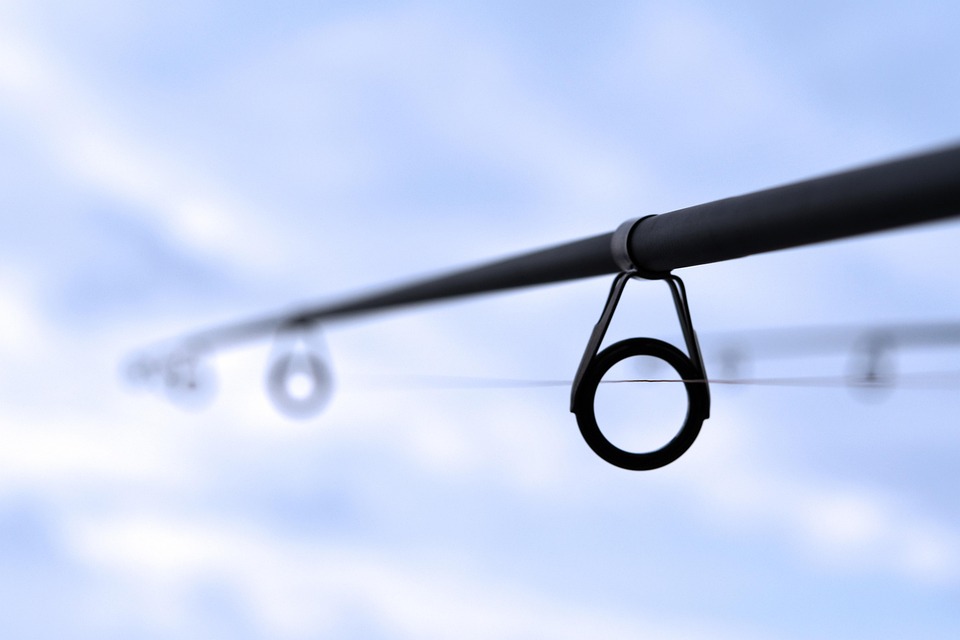
Choose a medium to heavy-action fishing rod that can withstand the force of larger fish. Pair it with a quality spinning or baitcasting reel that has a good drag system.
Line
A thicker line (20-30 lb test) is ideal for catfishing due to their strength and the likelihood of encountering structural obstacles.
Bait and Lures
Using appropriate bait is pivotal. Below are some of the best options:
- Live Bait: Nightcrawlers, shad, or minnows are enticing for catfish. Live bait can sometimes yield more successful catches.
- Cut Bait: Fresh cut pieces of fish, particularly shad or bluegill, break down in the water and release attractive scents.
- Prepared Baits: Store-bought stink baits and dough balls can be quite effective, especially in murky waters.
Techniques for Catfishing
Once you have your gear ready, you’ll need to master a few key techniques:
Bottom Fishing
Bottom fishing involves casting your bait to the bottom of the water. Using a sinker helps your bait settle to the bottom where catfish tend to forage.
Jug Fishing
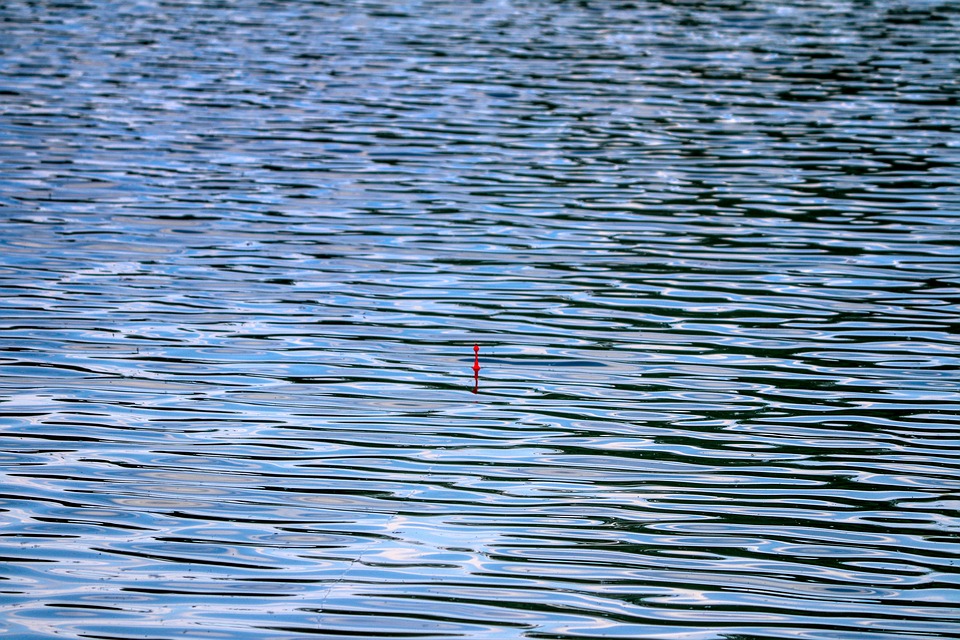
This method utilizes floating jugs attached to baited lines, allowing you to cover a larger area and track your catch.
Bank Fishing
Fishing from the bank is a straightforward method ideal for beginners. Look for areas with structures like fallen trees or weeds, where catfish are likely hiding.
Night Fishing
Catfish are more active at night, so consider fishing during the evening. This can yield better results, especially in warmer weather.
Choosing the Right Location
Selecting the perfect fishing location can significantly impact your success rate:
- Rivers: Look for deep pools, especially around structures like rocks and logs. Catfish often gather in these spots to feed.
- Lakes: Focus on areas with available food sources like schools of minnows or submerged structures.
- Reservoirs: They offer diverse habitats, but focusing on the inflow areas can lead to better results.
Conservation and Ethical Fishing
As catfish hunting becomes increasingly popular, it’s essential to emphasize the importance of conservation. Always adhere to local regulations, practice catch and release when appropriate, and respect the environment by minimizing your impact.
Conclusion
Catching catfish can offer a rewarding experience, whether you’re a seasoned angler or a beginner. By understanding the species, using the right gear, and practicing effective techniques, you’re well on your way to a successful fishing outing. Always keep conservation in mind, ensuring that future generations can enjoy the thrill of catfishing just as you do.
FAQs
1. What is the best time of year to catch catfish?
The best time for catfishing is typically in late spring and early summer when temperatures rise and catfish become more active.
2. Do catfish prefer moving or still water?
Catfish can thrive in both moving and still water, but they tend to prefer slower-moving waters with plenty of cover.
3. Can you catch catfish during the day?
Yes, catfish can be caught during the day, but fishing at dawn or dusk can be more productive due to their increased activity levels.
4. What’s the largest catfish ever caught?
The world record for the largest catfish is believed to belong to a Mekong catfish weighing an astounding 646 pounds.
5. How deep do I need to fish for catfish?
Catfish can be found at various depths, but searching in 15-20 feet of water is generally a good starting point.
- advanced catfish fishing
- blue catfish fishing
- catfish angling
- catfish bait
- catfish fishing
- catfish fishing for beginners
- catfish fishing gear
- catfish fishing guides
- catfish fishing reels
- catfish fishing rods
- catfish fishing seasons
- catfish fishing spots
- catfish fishing tactics
- catfish fishing techniques
- catfish fishing tips
- catfish hooks
- catfish rigs
- catfish species
- channel catfish fishing
- cut bait catfish fishing
- deep water catfish fishing
- flathead catfish fishing
- lake catfish fishing
- live bait catfish fishing
- monster catfish fishing
- night catfish fishing
- river catfish fishing
- shallow water catfish fishing
- stink bait catfish fishing
- trophy catfish fishing














Leave a comment