















Fishing is not just a pastime; it’s a way of life for many, a source of relaxation, and a challenge that teaches patience and strategy. For those looking to cast their first line, selecting the right fishing reel can be an overwhelming task. With so many brands, types, and features available, how can a budding angler make the right choice? In this article, we’ll explore the essential tips for selecting your first fishing reel, ensuring you’ll be well-prepared for a successful fishing adventure.
Understanding Fishing Reel Types
The first step in choosing your fishing reel is understanding the different types available on the market. The most common types include:
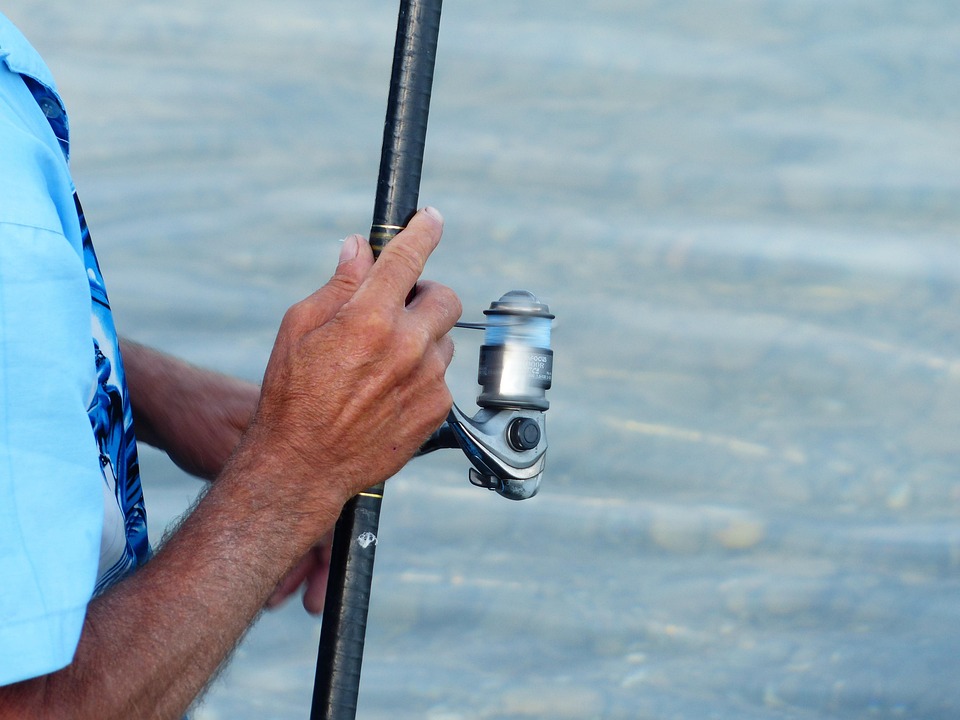
- Spinning Reels: Ideal for beginners, spinning reels are user-friendly and versatile. They work well with lighter lines and lures, making them perfect for freshwater fishing.
- Baitcasting Reels: These reels offer greater precision and control, allowing anglers to cast heavier lures. However, they require practice to master.
- Spin-Casting Reels: A hybrid between spinning and baitcasting reels, they are also user-friendly. Spin-casting reels are often a great choice for young fishers.
- Fly Reels: Used in fly fishing, these reels differ significantly in design and operation. They are typically for experienced anglers.
For a first-time angler, spinning reels tend to be the most recommended option due to their ease of use and versatility in various fishing scenarios.
Key Features to Consider
After choosing a type of reel, focus on the essential features that will affect performance:
Gear Ratio
The gear ratio indicates how many times the spool rotates with one turn of the handle. For example, a 5:1 gear ratio means the spool makes five revolutions per handle turn. Higher ratios offer quicker retrievals, ideal for fast-moving fish, while lower ratios provide more torque for reeling in larger species. A ratio between 5.0:1 and 6.5:1 is often a good starting point.
Drag System
The drag system controls the amount of resistance a fish feels when pulling on the line. Look for reels with a smooth and reliable drag system, as this feature is crucial for landing fish. A good starting reel should offer at least 10-15 pounds of drag strength, suitable for most freshwater fish.
Ball Bearings
Ball bearings affect the smoothness of the reel. More bearings generally indicate a smoother operation. Look for reels that feature at least four to six stainless steel ball bearings, which offer better corrosion resistance and longevity.
Construction Material
Reels can be made from various materials, including plastic, aluminum, and graphite. While plastic reels might be cheaper, they often lack durability. Aluminum and graphite are more robust options, with aluminum offering better strength but at a higher weight. A balanced option between weight and durability is recommended for first-time buyers.
Setting a Budget
Fishing can become an expensive hobby; however, it’s essential to set a reasonable budget for your first reel. While there are high-end models that offer superb performance, there are also plenty of budget-friendly reels that perform well. Generally, you can expect to spend between $50 to $150 for a decent quality spinning reel.
Weight and Size
The weight and size of your reel should match your rod and fishing style. A lightweight reel will help reduce fatigue during long fishing trips. Additionally, consider your target species when selecting the reel size. Reels come in various sizes, often marked by a number (e.g., 1000, 2500). A size 2000 spinning reel is often ideal for beginners, offering versatility for various species.
Brand Reputation
When searching for your first fishing reel, consider reputable brands known for quality and durability. Brands like Shimano, Penn, and Abu Garcia have long-standing reputations in the fishing industry, offering reliable products that meet the needs of both novice and experienced anglers.
Left or Right-Handed
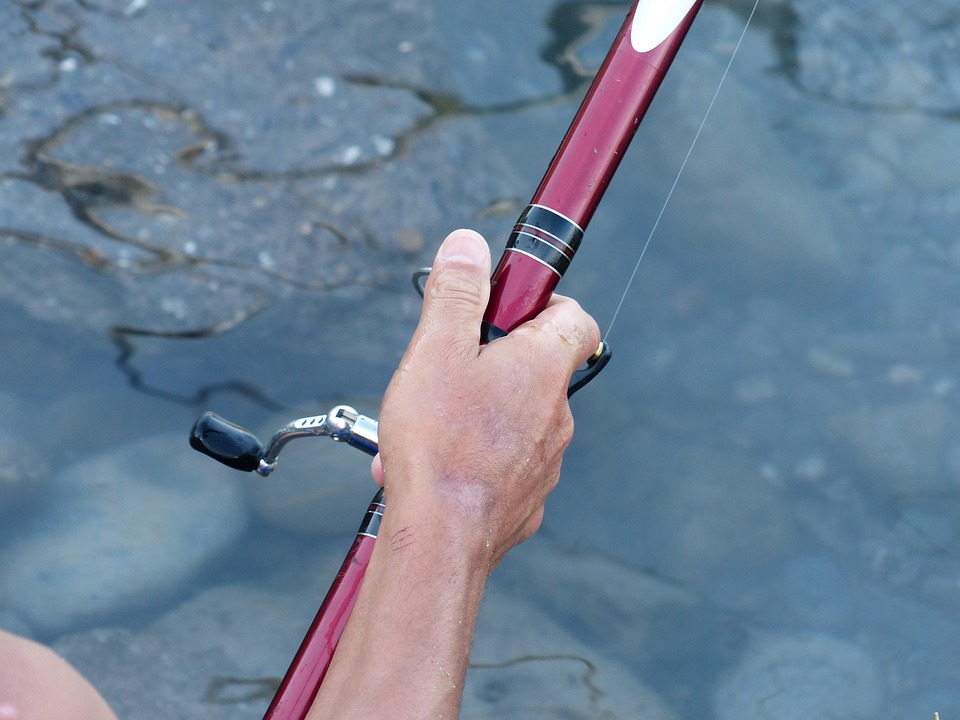
Fishing reels are designed to be operated with either the left or right hand. Therefore, choose a reel that matches your dominant hand. Many modern spinning reels allow you to switch the handle orientation, ensuring versatility as you grow in your fishing journey.
Testing Before You Buy
If possible, head to a local tackle shop to get a feel for the reel. Check how smoothly the handle turns, the ease of the drag system, and the overall comfort in your hand. Asking questions of staff members can also provide valuable insights.
Choosing the Right Line
Once you’ve selected your reel, pairing it with the right fishing line is crucial. The two main types are monofilament and braided line. Monofilament is great for spinning reels due to its stretch and ease of use, while braided line offers greater sensitivity and strength but requires careful management to avoid tangles. Each has its advantages, so choose based on your fishing conditions and target species.
Practicing Your Skills
Before hitting the waters, practice casting your new reel. Take the time to learn how to adjust the drag and understand the reel’s mechanics. Spend a day at a local park practicing your casting technique to build confidence and skill.
Joining a Community
Engaging with local fishing communities or forums can offer invaluable advice. Sharing experiences and tips with other anglers can enhance your fishing knowledge and make the learning curve less daunting. Many communities offer beginner meet-ups where you can practice together and build camaraderie.
Conclusion
Selecting your first fishing reel can feel like a daunting task, but with the right information and preparation, you can make an informed choice that enhances your fishing experience. By considering the type of reel, key features, brand reputation, and practicality, you ensure you’re setting yourself up for success. Remember that fishing is as much about enjoying nature and the journey as it is about catching fish, so choose a reel that fits your preferences and get ready to cast your line into the great outdoors!
FAQs
1. What is the best type of fishing reel for beginners?
Spinning reels are typically the easiest for beginners, offering versatility and ease of use.
2. How much should I spend on my first fishing reel?
A budget of $50 to $150 will allow you to find a reliable and quality reel suited for beginners.
3. What reel size should I choose?
A size 2000 spinning reel is often a good choice for beginners, providing versatility across different fish species.
4. Can I switch the handle orientation on my fishing reel?
Many modern reels allow for changing the handle orientation to accommodate left or right-handed users.
5. How do I maintain my fishing reel?
Regularly clean your reel, especially after saltwater use, and lubricate it as per the manufacturer’s instructions to prolong its life.
- beginner bass fishing
- beginner carp fishing
- beginner catfish fishing
- beginner fishing advice
- beginner fishing baits
- beginner fishing gear
- beginner fishing guides
- beginner fishing guides online
- beginner fishing knots
- beginner fishing lures
- beginner fishing mistakes
- beginner fishing reels
- beginner fishing rods
- beginner fishing strategies
- beginner fishing techniques
- beginner fishing tips
- beginner fishing trips
- beginner fishing tutorials
- beginner fishing videos
- beginner fly fishing
- beginner freshwater fishing
- beginner muskie fishing
- beginner panfish fishing
- beginner pike fishing
- beginner saltwater fishing
- beginner trout fishing
- fishing basics
- fishing for beginners
- how to fish
- new anglers tips
















Leave a comment