





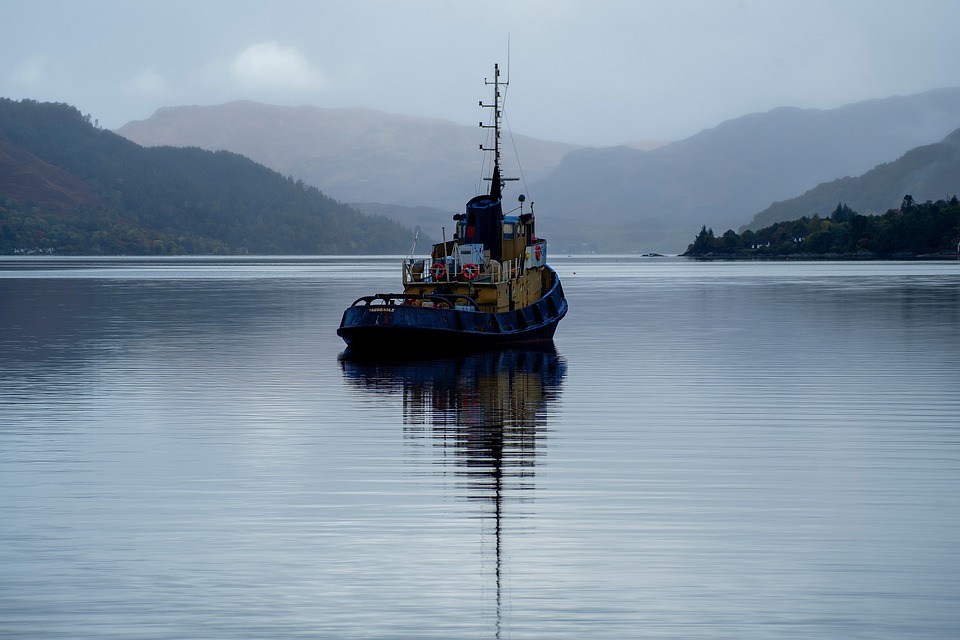



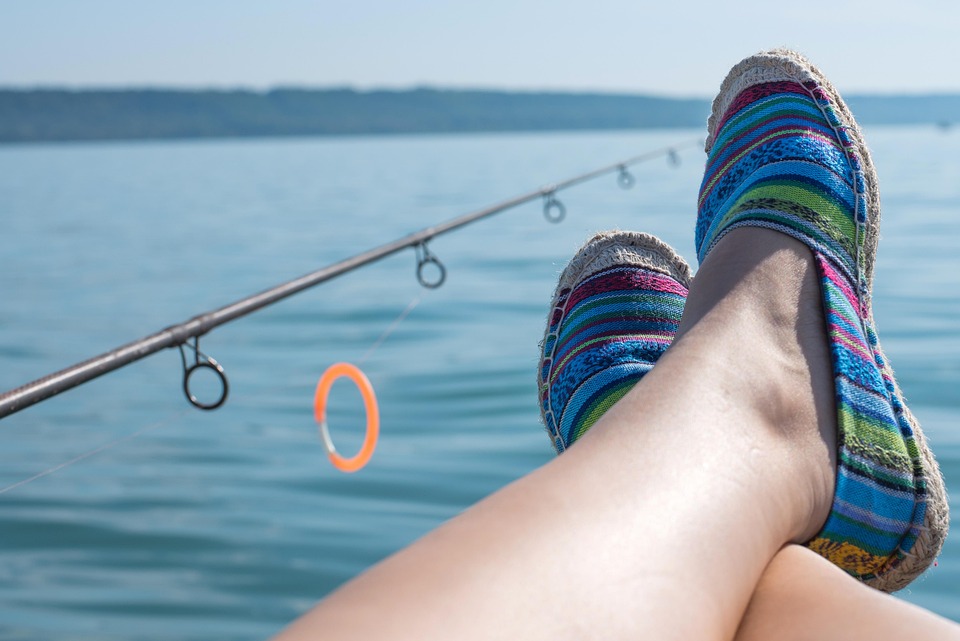

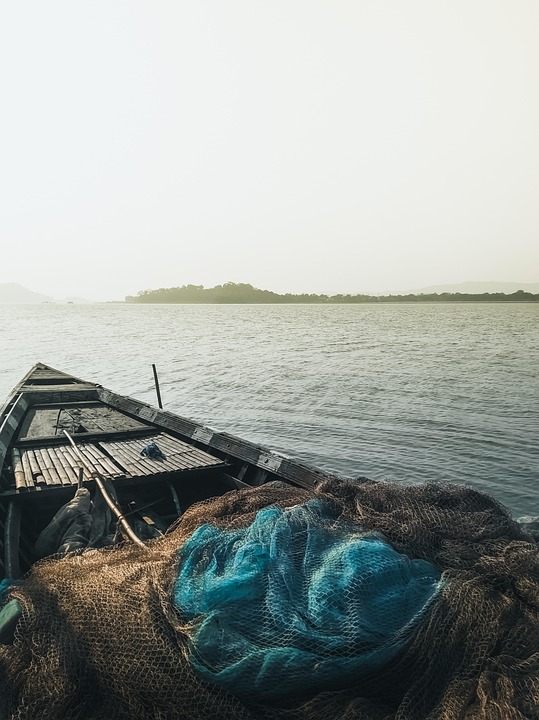
Reservoir fishing is often seen as a serene pastime that can quickly turn into an adrenaline-packed event when a giant fish is hooked. Whether you’re an experienced angler or a novice just dipping into the waters, understanding the dynamics of fishing in reservoirs can elevate your experience to the next level. Here’s a comprehensive guide to help you reel in those giants lurking beneath the surface.
The Reservoir Ecosystem: What You Need to Know
Reservoirs are man-made lakes, but they can mimic natural ecosystems. They offer various habitats, such as submerged structures, vegetation, and open water, which house different fish species. Familiarizing yourself with the specific ecology of a reservoir can significantly impact your success rate.
Understanding Fish Species
Reservoirs typically host a wide range of fish, including:
- Largemouth Bass: Known for their aggressive nature and tendency to hide in cover.
- Smallmouth Bass: Often found in rocky areas, smallmouths are renowned for their fighting spirit.
- Trout: Many reservoirs are stocked with trout, which prefer colder, oxygen-rich water.
- Catfish: Bottom-dwellers known for their size and strength.
- Carp: Often overlooked, these are strong fighters and can be found in large schools.
Choosing the Right Time
The timing of your fishing trip can greatly influence the fishing experience. Early mornings and late afternoons are often ideal for catching active fish. Factors such as the season, weather, and even the moon phase can also play a critical role.
Seasonal Considerations
- Spring: Fish are more active after spawning; this is an excellent time for bass fishing.
- Summer: Look for fish in deeper waters during the heat of the day, or early and late when they surface.
- Fall: Fish begin to feed heavily before winter; this is prime time for big catches.
- Winter: Ice fishing can yield surprisingly good results, particularly for trout and panfish.
Mastering Equipment and Techniques
Your fishing gear can make or break your chance for a memorable catch. From rods and reels to lures and bait, making informed choices can significantly improve your odds.
Essential Fishing Gear
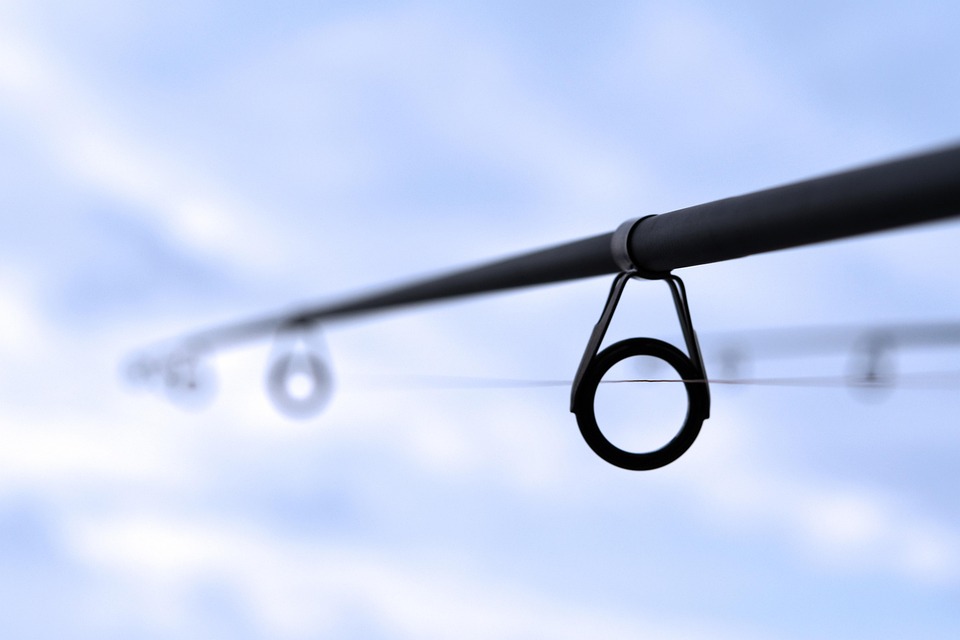
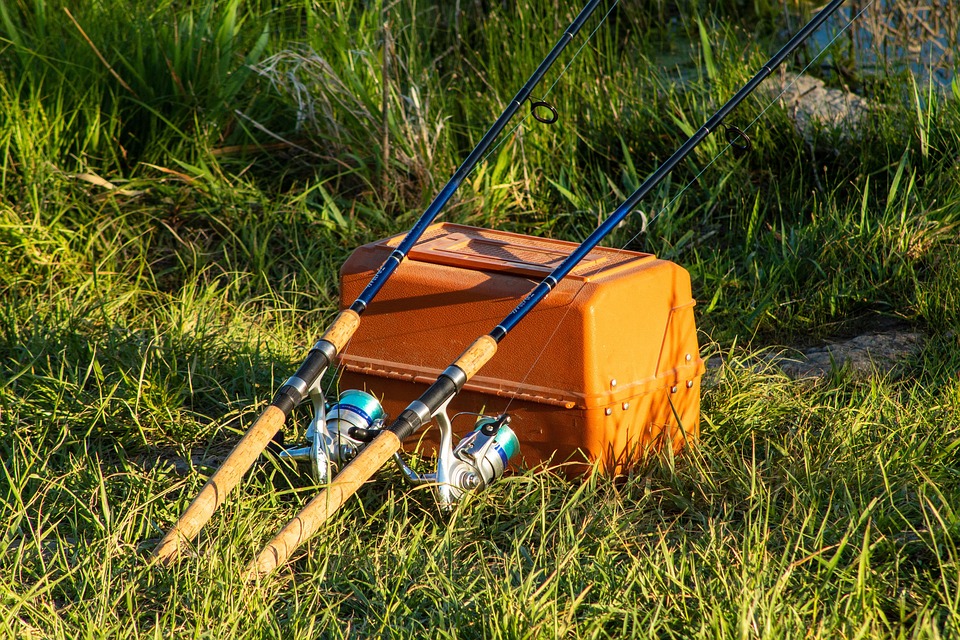
- Rod and Reel: A medium-heavy rod paired with a spinning reel is ideal for handling bigger fish.
- Line: Braided lines offer durability and sensitivity; anywhere from 20 to 50 lbs test line is advisable for larger species.
- Bait and Lures: Live bait like minnows, worms, or artificial lures such as crankbaits and jigs can be effective depending on the fish you target.
Fishing Techniques
Employing various techniques can increase your chances of landing big fish:
- Surface Fishing: Good for bass during low-light hours—use topwater lures for explosive strikes.
- Bottom Fishing: Excellent for catfish and carp; using heavier sinkers helps your bait reach the bottom.
- Drop-shotting: This technique is effective for suspended fish, particularly in deeper waters.
Understanding Weather Patterns
Conditions such as wind, rain, and temperature can greatly affect fish behavior. Overcast days often yield better fishing than bright sunny ones, as fish are more likely to roam when they feel less exposed.
Wind and Water Movement
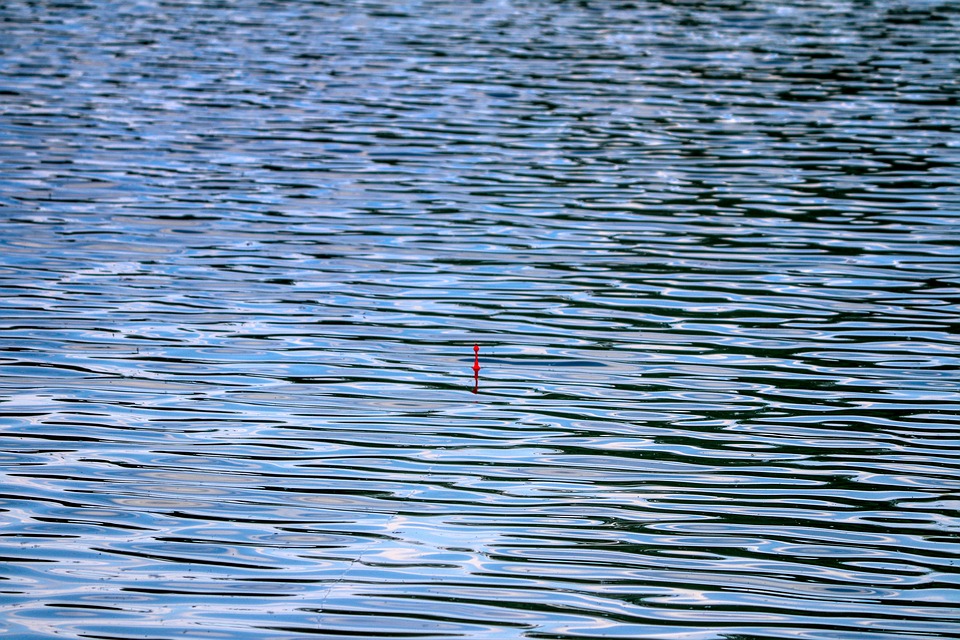
Wind can create current and stir up the water, which can be advantageous. Fish tend to congregate in areas where food gets pushed, so casting in these “wind lanes” can lead to successful catches.
Finding the Right Spot
Locating the best fishing spots within a reservoir requires a combination of research and intuition. Look for underwater structures like fallen trees, rocks, and ledges, as these are often fishing hotspots.
Using Technology to Your Advantage
Modern technology, such as fish finders and GPS mapping, can help pinpoint ideal locations. Learning how to interpret the sonar readings will guide you in identifying where fish are congregating.
Practicing Catch and Release
Responsible anglers should always consider conservation. Practicing catch and release helps maintain the fish population, ensuring that reservoirs continue to be productive fishing venues for years to come.
Best Practices for Catch and Release
- Use barbless hooks or pinch the barbs down to minimize damage.
- Keep the fish in the water as much as possible; minimize handling to avoid stress.
- Use wet hands or a landing net to handle the fish gently.
Conclusion
Fishing in reservoirs can be an exhilarating adventure filled with the promise of giant catches. By understanding the ecosystem, choosing the right time, mastering your gear and techniques, keeping an eye on weather patterns, and knowing where to find fish, you can greatly enhance your fishing experience. With a commitment to conservation through catch and release, you ensure that future generations can enjoy the thrill of reeling in their own reservoir giants.
FAQs
1. What is the best time of year to fish in reservoirs?
The best times can vary based on the species you target. Generally, spring and fall are prime seasons for many popular game fish.
2. Do I need a fishing license to fish in a reservoir?
Yes, most places require a fishing license to fish in public reservoirs. Check your local regulations for specific requirements.
3. What type of bait is most effective for bass fishing?
Live bait such as minnows or worms is effective, but artificial lures like crankbaits and jigs can also yield great results.
4. How can weather affect fishing success?
Cloud cover often makes fish more active, while sunny days can drive them deeper. Wind can also create current that directs fish toward certain areas.
5. Is catch and release important?
Yes, practicing catch and release is crucial for sustainable fishing. It helps maintain fish populations and ensures that future generations can enjoy the sport.
- bass fishing
- Bluegill Fishing
- carp fishing
- catfish fishing
- Crappie Fishing
- freshwater angling
- freshwater bait fishing
- freshwater fishing
- freshwater fishing gear
- freshwater fishing guides
- freshwater fishing species
- freshwater fishing techniques
- freshwater fishing tips
- freshwater fly fishing
- freshwater spinning fishing
- inland fishing
- lake fishing
- lakes fishing
- largemouth bass fishing
- muskie fishing
- panfish fishing
- Perch Fishing
- pike fishing
- pond fishing
- reservoir fishing
- reservoirs fishing
- river fishing
- rivers fishing
- Salmon Fishing
- smallmouth bass fishing
- stream fishing
- Tilapia Fishing
- Trout Fishing
- Walleye Fishing











Leave a comment