








Carp fishing is not just a pastime; for many, it is both an art and a science. With its origins tracing back to ancient times, carp fishing has evolved into a worldwide phenomenon, attracting millions of enthusiasts. If you are a novice angler or considering dipping your toes into this rewarding activity, this guide aims to equip you with the essential knowledge and skills needed to master the art of carp fishing.
Understanding Carp
The common carp (Cyprinus carpio) is among the most popular fish species targeted by anglers. Characterized by their large size, strong fighting ability, and astonishing adaptability, they can thrive in a variety of environments, from still lakes to fast-flowing rivers.
Carp Species
While the common carp is prevalent, several other species are worth noting:
- Mirror Carp: Recognized by their scale patterns, they are prized for their beauty and unique look.
- Grass Carp: Known for their voracious appetite for aquatic vegetation, these fish can grow quite large.
- Leather Carp: Lacking scales, they present a challenge for anglers and are unique in their appearance.
Equipment Essentials
The right equipment can significantly enhance your chances of a successful catch. Here’s a breakdown of the essentials:
Rods and Reels
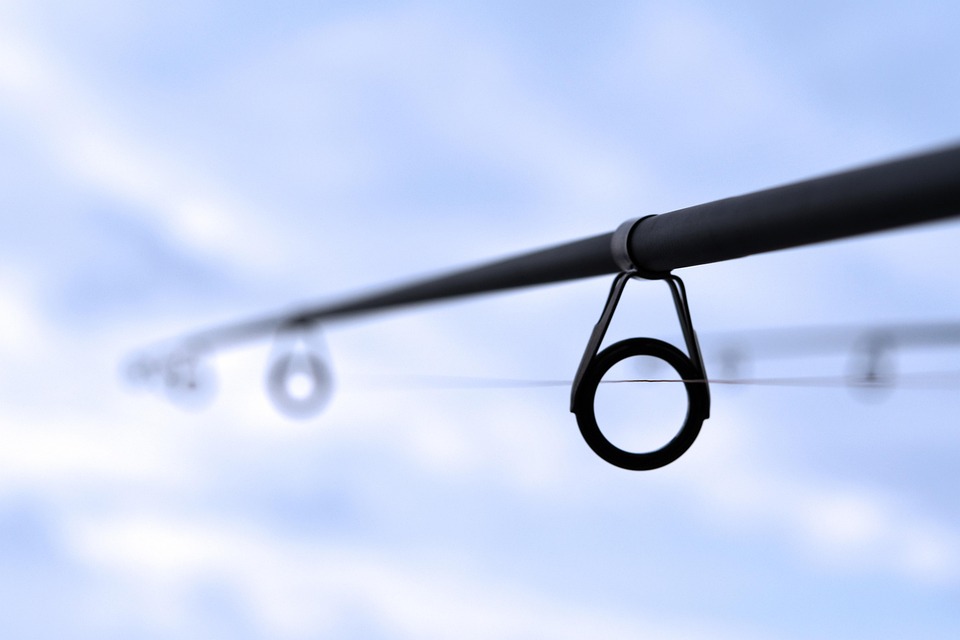
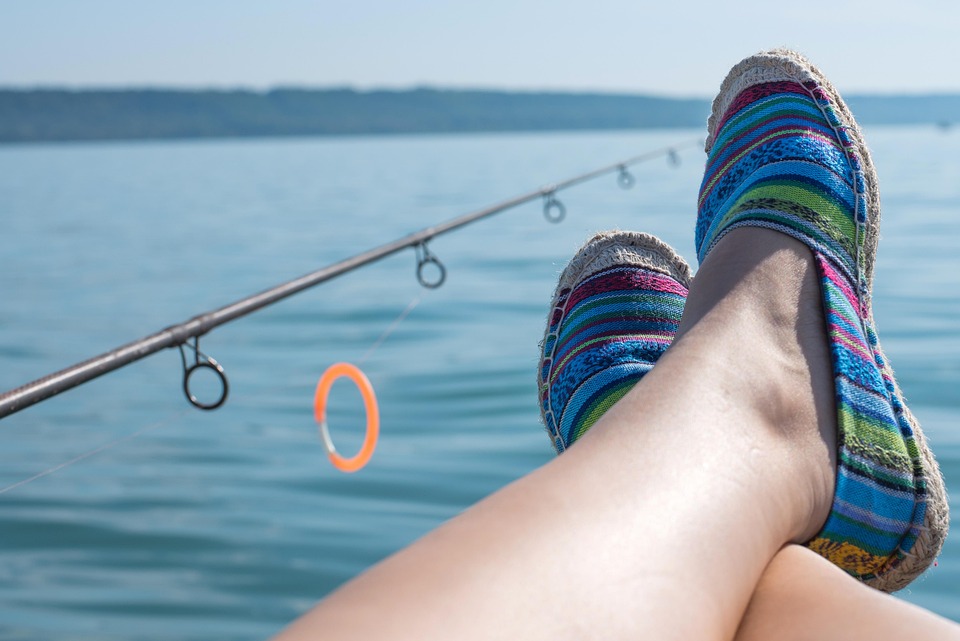
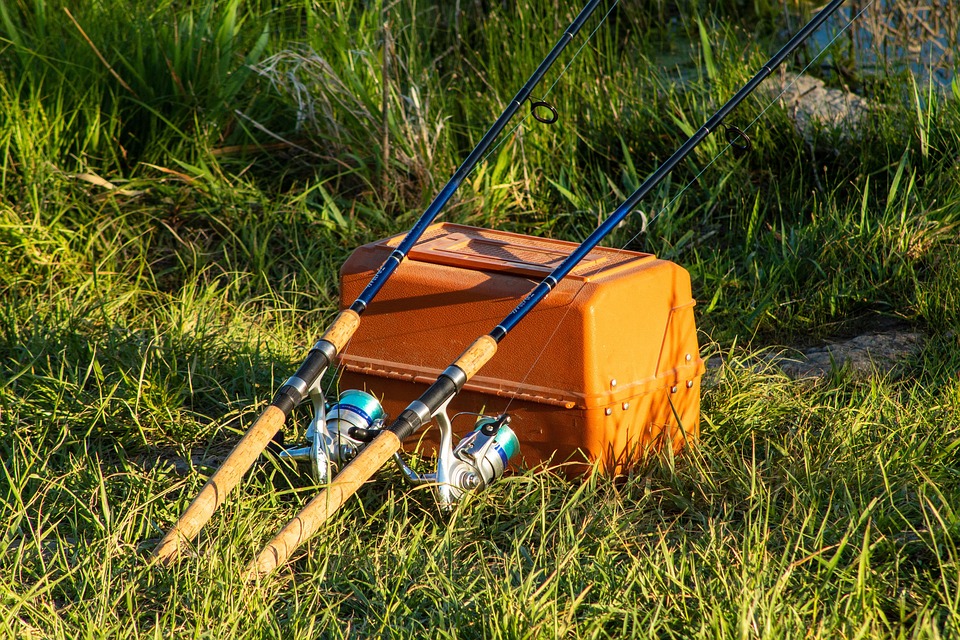
A medium to heavy action rod, typically 10 to 12 feet long, is ideal for carp fishing. Match it with a reliable reel that has a good line capacity and smooth drag system to handle the sparky nature of carp.
Line and Hooks
Choosing the right line is crucial. A braided line (20-30 lb test) is often recommended for its strength and minimal stretch. As for hooks, sizes 4 to 8 are typically effective, depending on your bait choice and the size of the carp you’re targeting.
Baits and Rigs
Carp are opportunistic feeders, and your bait choice plays a critical role in attracting them. Popular bait options include:
- Boilies: These are round baits made from a mixture of flour, eggs, and flavoring.
- Sweet Corn: A favorite among many anglers for its scent and color.
- Pellets: Compressed food often used in commercial fisheries.
As for rigs, the “hair rig” is a favorite among carp anglers as it allows the bait to be presented more naturally.
Location, Location, Location
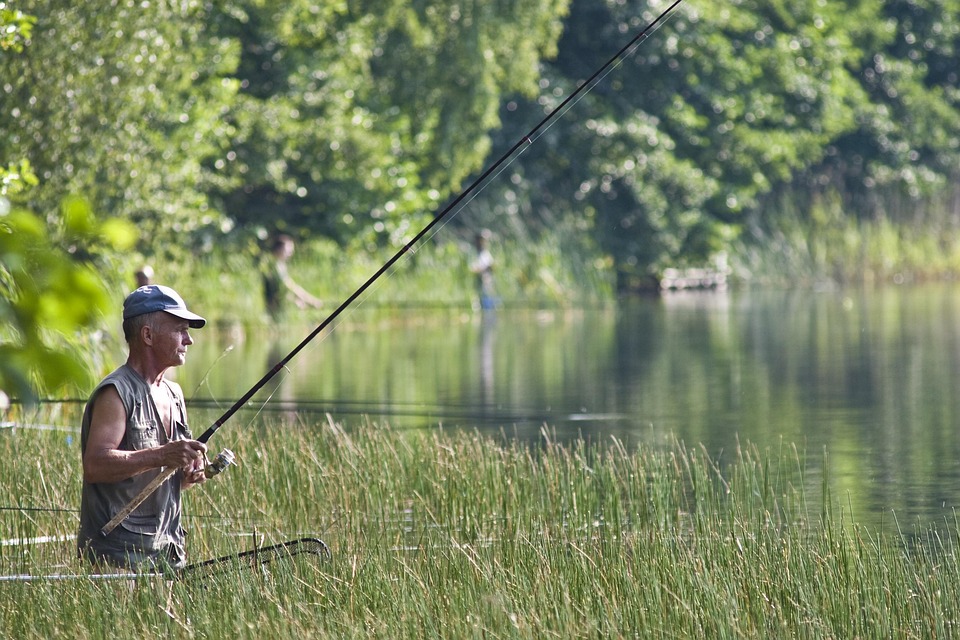
Successful carp fishing begins with selecting the right spot. Look for areas with ample cover such as weed beds, overhanging trees, or submerged structures. Carp often frequent shallower waters during warmer months, so early morning or late afternoon can be prime feeding times.
Understanding Water Conditions
Water temperature and clarity can also influence carp behavior. A slight disturbance on the water surface can indicate feeding carp, making these conditions ideal for casting your line. Additionally, the time of year plays a role; spring and fall are often considered peak seasons due to increased carp activity.
Techniques for the Perfect Catch
Mastering various fishing techniques will elevate your carp fishing experience. Here are some effective methods:
Chumming
Chumming involves scattering bait in the water to attract carp to your fishing spot. This technique can bring them into your designated area, increasing your chances of a bite.
The Waiting Game
Patience is key in carp fishing. Once your line is set, relax and observe your surroundings while staying alert for any signs of activity. Be ready for the thrill of a sudden tug on your line!
Common Mistakes to Avoid
Even seasoned fishers can fall victim to some common pitfalls. Here are some mistakes beginners often make:
- Not Checking Regulations: Always familiarize yourself with local fishing regulations, as restrictions can vary.
- Overlooking Weather Conditions: Weather can significantly impact fish behavior. Avoid fishing during storms or extreme temperatures.
- Using Inappropriate Gear: Ensure your equipment is suitable for carp fishing; otherwise, you risk losing the fish.
Catching and Releasing Carp
If you decide to practice catch and release, it’s essential to handle carp properly:
- Use wet hands when handling to protect their skin.
- Keep them in the water as much as possible to minimize stress.
- Use a landing net to avoid injuries.
Conclusion
Carp fishing is an engaging and rewarding pursuit that, when done correctly, can offer incredible moments on the water. By understanding carp behavior, investing in the right equipment, and mastering effective techniques, even beginners can find success and enjoyment in this timeless sport. Patience, observation, and practice are key components of the perfect catch. So grab your gear, find a good spot, and immerse yourself in the tranquil world of carp fishing!
FAQs
1. What is the best time of year for carp fishing?
The best time is typically during the spring and fall when water temperatures are warmer, and carp are more active. Early morning and late afternoon also tend to be more productive.
2. Do I need a fishing license for carp fishing?
Yes, most regions require a fishing license. Always check local regulations before fishing.
3. Can I catch carp at any body of water?
Carp thrive in lakes, rivers, and ponds. However, not all waters are populated with carp, so do some research on local fishing spots.
4. Is catch and release encouraged for carp fishing?
Catching and releasing is generally encouraged, especially for larger specimens. Proper handling techniques should be followed to minimize stress on the fish.
5. What kind of bait is best for carp?
Popular baits include boilies, sweet corn, and pellets. Experimenting with different options often yields the best results.
- beginner bass fishing
- beginner carp fishing
- beginner catfish fishing
- beginner fishing advice
- beginner fishing baits
- beginner fishing gear
- beginner fishing guides
- beginner fishing guides online
- beginner fishing knots
- beginner fishing lures
- beginner fishing mistakes
- beginner fishing reels
- beginner fishing rods
- beginner fishing strategies
- beginner fishing techniques
- beginner fishing tips
- beginner fishing trips
- beginner fishing tutorials
- beginner fishing videos
- beginner fly fishing
- beginner freshwater fishing
- beginner muskie fishing
- beginner panfish fishing
- beginner pike fishing
- beginner saltwater fishing
- beginner trout fishing
- fishing basics
- fishing for beginners
- how to fish
- new anglers tips







Leave a comment