














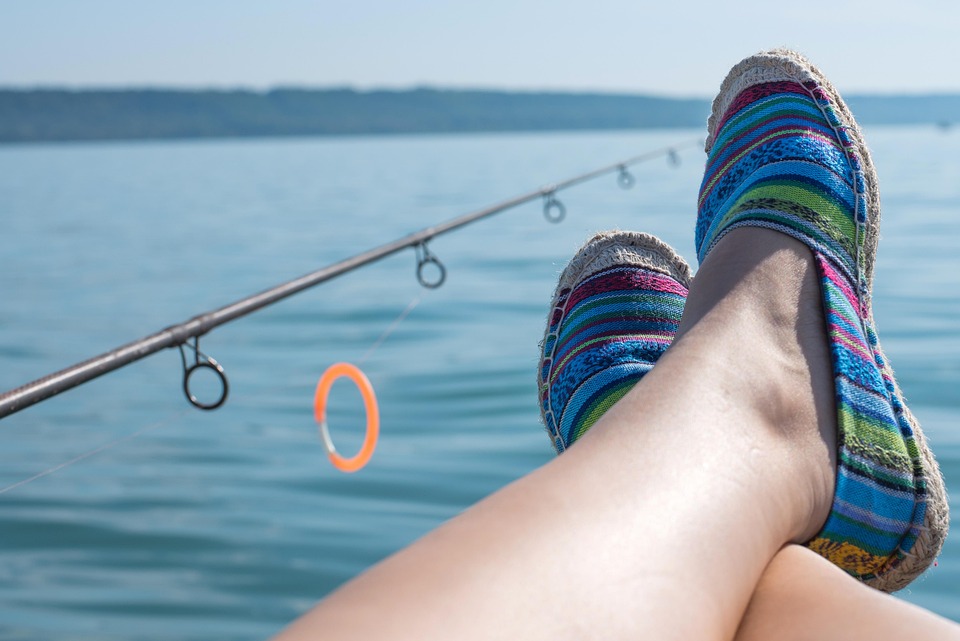


Fishing is more than just an escape into nature; it’s a science, an art, and for many, a way of life. Whether you are an expert angler or a novice casting your first line, understanding how to choose the right lures based on the season can make the difference between a lackluster day on the water and a memorable fishing trip. Different species of fish exhibit varying behaviors, and water conditions change throughout the year, both of which influence the selection of lures.
The Importance of Seasonal Considerations
Date, time, and location are all critical variables, but seasonal changes come first because they dictate the overall behavior of fish. Understanding these changes allows anglers to predict fish movement and feeding patterns, optimizing their lure choices.
Spring: Spawning Season
As water temperatures rise in spring, fish move to shallower waters, often driven by the instinct to spawn. This is an excellent time to target bass, crappie, and bluegill.
- Topwater Lures: Popper and buzzbaits work well in the early morning and late evening.
- Spinnerbaits: Ideal for covering a lot of water and locating active fish.
- Jig Heads: Great for fishing deep in cover where fish are nesting.
Summer: Peak Feeding Frenzy
In summer, when the water becomes warmer, fish are often more active and easier to catch. Focus on early mornings or late afternoons when the sunlight is less intense.
- Plastics: Worms and creature baits fished on a Texas rig can be incredibly effective.
- Crankbaits: Use these for covering more water and mimicking baitfish in their feeding frenzy.
- Swimbaits: Ideal for larger predatory fish like pike and musky.
Autumn: Transitioning Behavior
As temperatures start to drop, fish prepare for winter, and their feeding habits change dramatically. Fall can be one of the most rewarding times to fish if you’re familiar with how to adapt your strategy.
- Chatterbaits: These can mimic injured baitfish and work well in murky waters.
- Slow-Rolling Spinnerbaits: This can be effective as fish begin to slow down.
- Crankbaits: Focus on deeper retrieves as fish move to their winter haunts.
Winter: The Challenge
Winter fishing can be extremely challenging due to cold temperatures and fish lethargy, but it can also yield high rewards with the right technique.
- Vertical Jigs: In cold months, fishes often suspend; vertical jigs can entice them from below.
- Baitfish Imitations: Smaller, slower-moving lures can mimic the baitfish they might still be targeting.
- Ice Fishing Gear: This includes specialized lures designed for winter conditions that bring success when targeting species like pike or trout.
Understanding Fish Behavior by Season
Each fish species has distinct seasonal behaviors influenced by water temperature, availability of prey, and environmental factors. For instance, bass behave territorially in the spring during spawning, while trout become more aggressive in the summer months as they hunt for food.
Temperature and Depth
Water temperature is perhaps the most critical factor in fish behavior. Warmer water allows fish to be more active, while colder conditions often lead to lethargy. Depth also plays a vital role; as temperatures change, fish will shift their locations. In the spring and fall, you’ll find them in shallower waters where they can spawn or feed, while summer and winter may push them deeper.
Feeding Patterns
Fish typically follow the bait. During summer, baitfish are more plentiful and often congregate in schools, drawing sportfish nearby. Conversely, during the winter, baitfish become scarcer, leading larger game fish to change their feeding strategies.
Choosing the Right Lures
Understanding the seasonal behavior of fish helps select the appropriate lures. Here’s a month-by-month breakdown of strategies for various species:
March to May (Spring)
- Target Species: Bass, Crappie, Bluegill
- Lures: Topwater lures, Spinnerbaits, Jigs
June to August (Summer)
- Target Species: Bass, Catfish, Walleye
- Lures: Crankbaits, Swimbaits, Jigs
September to November (Autumn)
- Target Species: Pike, Musky, Bass
- Lures: Chatterbaits, Spinnerbaits, Crankbaits
December to February (Winter)
- Target Species: Trout, Pike, Panfish
- Lures: Vertical Jigs, Small Baitfish Imitations
Conclusion
Mastering the art of attraction in fishing goes beyond just throwing a line into the water. It requires a nuanced understanding of seasonal changes and the associated behaviors of fish. By selecting the correct lures for each season—and recognizing the specific needs and habits of target species—you can transform your fishing experience from ordinary to extraordinary. The next time you head to your favorite fishing spot, remember these seasonal dynamics and adapt your lure choices accordingly. Not only will this increase your success rate, but it will also deepen your appreciation of the thrill of the catch.
FAQs
1. What lures should I use for bass in the spring?
Topwater lures, spinnerbaits, and jigs are ideal as bass are moving into shallower waters to spawn.
2. How do I choose lures for different water temperatures?
In warmer waters, opt for faster-moving lures like crankbaits and swimbaits, while in colder waters, slower presentations like jigs or live bait tend to be more effective.
3. Are there specific lures for ice fishing?
Vertical jigs and small baitfish imitations are highly effective during the winter months when targeting species like pike and trout.
4. Can I use the same lures year-round?
While some lures may work across multiple seasons, it’s crucial to adjust your tackle choices based on seasonal fish behavior and water conditions for optimal results.
5. Why is understanding fish behavior important?
Understanding fish behavior allows anglers to better predict fish movements and feeding patterns, ultimately leading to more successful fishing outings.
- fishing accessories
- fishing baits
- fishing crankbaits
- fishing electronics
- fishing fish finders
- fishing gear
- fishing gear guides
- fishing gear maintenance
- fishing gear reviews
- fishing GPS
- fishing hooks
- fishing jigs
- fishing knots
- fishing line types
- fishing lines
- fishing lures
- fishing reel types
- fishing reels
- fishing reels for beginners
- fishing rigs
- fishing rod guides
- fishing rods
- fishing rods for beginners
- fishing soft plastics
- fishing sonar
- fishing spinners
- fishing tackle
- fishing tackle boxes
- fishing tackle setup
- fishing tackle tips










Leave a comment