







Salmon fly fishing is not just a pastime; for many, it’s a passion that combines the tranquility of nature with the thrill of the catch. The majestic salmon, known for its fierce resistance and energetic leaps, presents a unique challenge that keeps anglers coming back for more. However, mastering the art of salmon fly fishing is not just about casting a line—it’s a profound understanding of the fish, the environment, and the techniques that lead to success. In this article, we delve deep into expert tips from seasoned anglers who have cultivated their skills over decades.
Understanding Salmon Behavior
Before you can effectively fish for salmon, it’s crucial to understand their behavior and life cycle. Salmon are anadromous, meaning they hatch in freshwater, migrate to the ocean, and return to freshwater to spawn. Their patterns change with the seasons, making knowledge of their habits essential for successful fishing.
The following factors significantly influence salmon behavior:
- Seasons: Spring is usually when salmon migrate upstream after spawning. Summer brings warmer waters, which can drive them deeper to cooler, oxygen-rich depths. Fall sees them preparing for spawning, and winter is often a dormant phase for the fish.
- Water Temperature: Salmon thrive in specific temperature ranges. They prefer water temperatures around 50 to 60 degrees Fahrenheit. Warmer temperatures can drive them deeper or push them to less oxygen-rich areas.
- Water Clarity: Murky waters can make salmon less wary, leading them to move closer to the surface. It’s essential to adjust your fly selection accordingly during these conditions.
Choosing the Right Equipment
Your success on the water often hinges on the quality and type of equipment you use. Here’s a breakdown of the essential gear needed for salmon fly fishing:
Rods and Reels
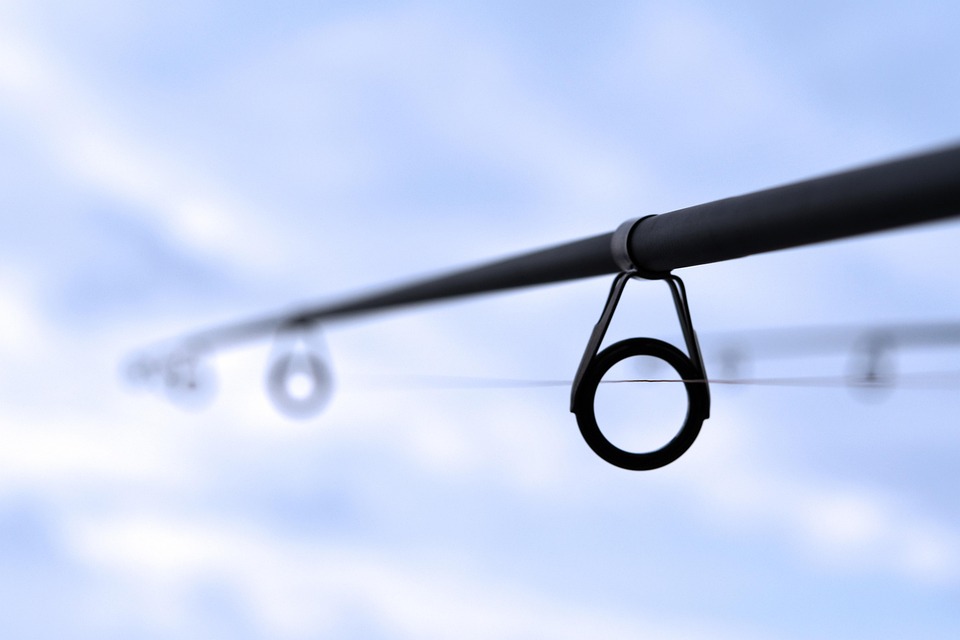
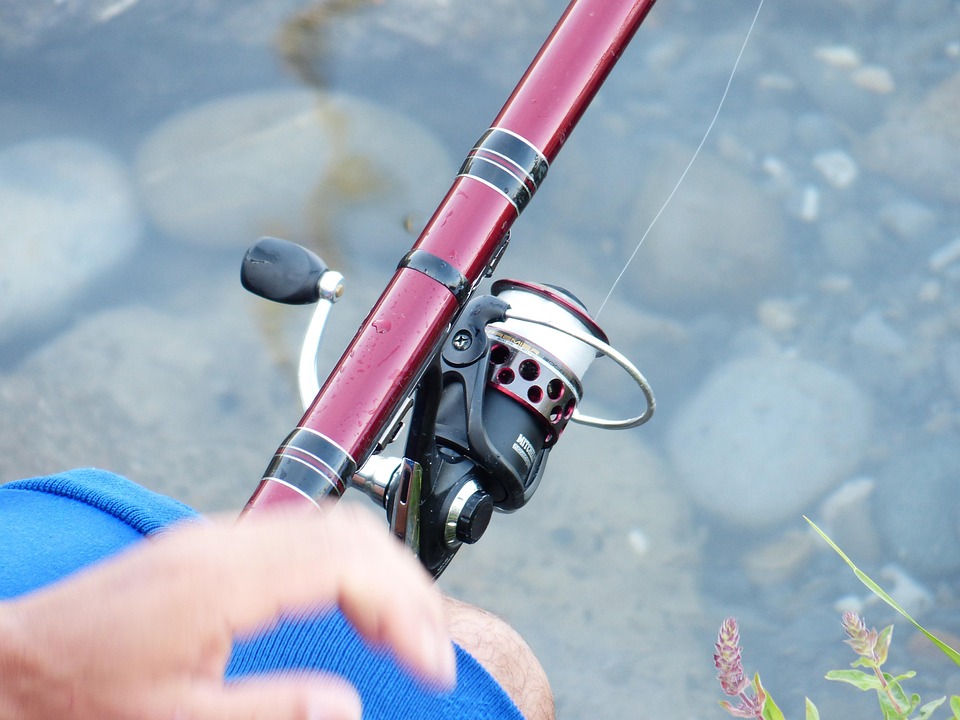
Choosing the right rod is vital. A typical salmon fly rod is between 8 to 10 feet long, with a weight of 7 to 9. A longer rod gives you better casting distance and more control over your fly. Pair it with a quality reel that has a strong drag system, as salmon are notorious for making powerful runs.
Line and Leaders
The type of line you use will greatly impact your fishing performance. Consider using a floating line paired with a sinking tip for the best results. Depending on the water conditions, you may also want to use a 10-12 foot tapered leader to enhance your presentation.
Flies
Flies are where creativity and skill meet. Salmon are often attracted to brightly colored flies. Popular choices include:
- Classic Intruders: Large, flashy patterns that waggle enticingly in the water.
- Spey Flies: Designed for two-handed casting, these are excellent for covering more water.
- Streamers: Mimic smaller fish, providing an irresistible target for predatory salmon.
Techniques from the Pros
Different techniques can significantly enhance your salmon fishing experience. Here are some proven strategies endorsed by professionals:
Two-Handed Casting Techniques
Mastering the two-handed cast can improve your casting distance and presentation significantly. This method allows for greater leverage and control of the line. Pros recommend practicing the “Spey Cast,” which helps in making clean casts without needing to backcast.
Presentation and Drift
Your fly’s presentation is crucial. Letting the fly drift naturally with the current will increase your chances of a strike. Keep your rod tip low and maintain a slight tension to ensure the fly acts as if it’s a natural prey. Pay attention to the water currents and adjust your approach accordingly.
Fishing Strategies
Engaging various strategies can better target salmon in different conditions:
- Pros often start at the head of a pool: This is where fish are most likely to be waiting to ambush their prey.
- Use downstream swings: Allow your fly to swing naturally across the current. Salmon are often inclined to attack a moving target.
- Be patient: Salmon fishing requires endurance. Don’t rush; take your time and enjoy the process.
Safety and Conservation
As passionate anglers, it’s our responsibility to practice sustainable fishing. Always abide by local regulations regarding catch limits and seasons. Employ catch-and-release practices whenever possible to help maintain salmon populations for future generations.
Conclusion
Mastering salmon fly fishing is a journey filled with learning, patience, and respect for nature. By understanding salmon behavior, choosing the right equipment, employing professional techniques, and supporting conservation efforts, you can enhance your fishing experience while contributing positively to the environment. As experts often remind us, it’s not just about the catch; it’s about the connection we make with nature and the skills we develop along the way. So gather your gear, head to the nearest stream, and immerse yourself in the art of salmon fly fishing.
Frequently Asked Questions
1. What time of year is best for salmon fly fishing?
Spring and fall are usually the best times for salmon fly fishing. In spring, salmon are migrating upstream, and in the fall, they are preparing to spawn.
2. Do I need a special license for salmon fishing?
Yes, most regions require a specific fishing license for salmon. Check with local regulations to ensure compliance.
3. Can I use regular flies for salmon fishing?
While standard flies may work, using specialized salmon flies increases your chances of attracting salmon due to their size and color patterns.
4. How can I find the best fishing spots?
Local fishing forums, guides, and maps can provide insight into the most productive salmon fishing spots. Additionally, paying attention to salmon migration patterns will help locate the best areas.
5. What should I do if I catch a salmon?
If you plan to keep it, ensure it meets the local regulations. If practicing catch and release, handle the fish with care and minimize out-of-water time to ensure its survival.
- advanced fly fishing
- bass fly fishing
- dry fly fishing
- fly casting techniques
- fly fishing
- fly fishing destinations
- fly fishing flies
- fly fishing for beginners
- fly fishing gear
- fly fishing guides
- fly fishing reels
- fly fishing rivers
- fly fishing rods
- fly fishing species
- fly fishing techniques
- fly fishing tips
- fly tying
- fly tying patterns
- freshwater fly fishing
- lake fly fishing
- nymph fishing
- river fly fishing
- salmon fly fishing
- saltwater fly fishing
- steelhead fly fishing
- stream fly fishing
- streamer fishing
- trout fly fishing
- wet fly fishing
- worldwide fly fishing










Leave a comment