














Catfishing has emerged as one of the most popular angling pursuits across the United States, and for good reason. These fish are not just plentiful; they can be a challenging and rewarding catch for both novice and seasoned anglers. Whether you’re fishing in the fresh waters of a lake, navigating a rushing river, or seeking the thrill of bank fishing, catfish offer an exciting experience. This guide aims to equip you with the knowledge and skills necessary to ensure a successful fishing adventure, enhancing your passion for this fascinating sport.
Understanding Catfish Species
Before embarking on your trip, it’s essential to understand the primary species of catfish you might encounter. In North America, the most common types are:
- Channel Catfish: Recognizable by their deeply forked tails and whisker-like barbels, they are a favorite among anglers for their combativeness.
- Flathead Catfish: Known for their flat, wide heads and robust bodies, these fish are often found in deeper waters.
- Blue Catfish: The largest species in North America, Blues can grow up to 100 pounds or more. They are highly regarded for their fighting ability.
- bullhead catfish : Generally smaller and more abundant, these fish are less selective about their habitat.
Essential Gear for Catfishing
Equipping yourself with the right gear can significantly improve your chances of landing a trophy catfish. Here’s what you need:
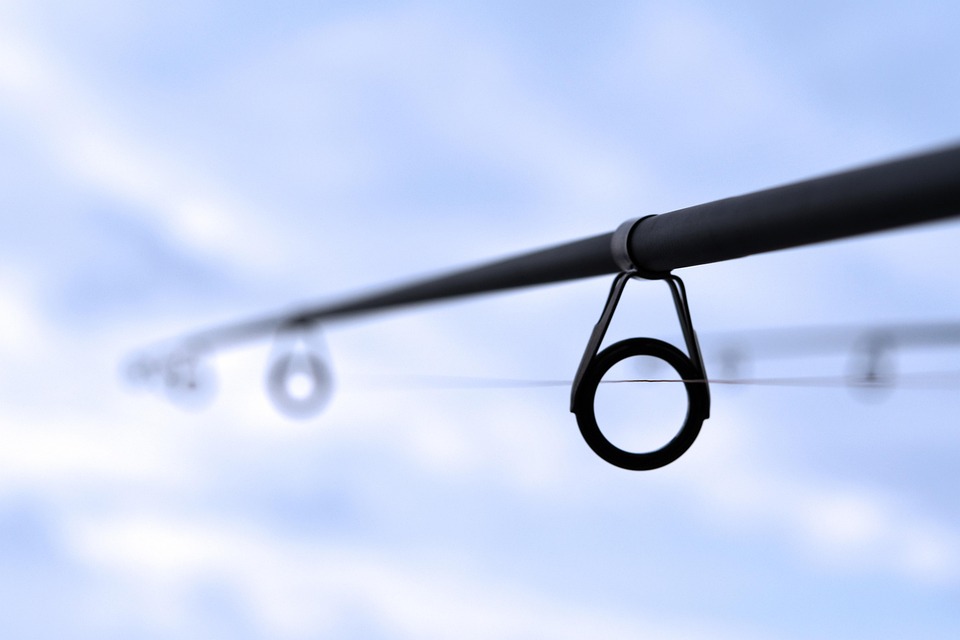
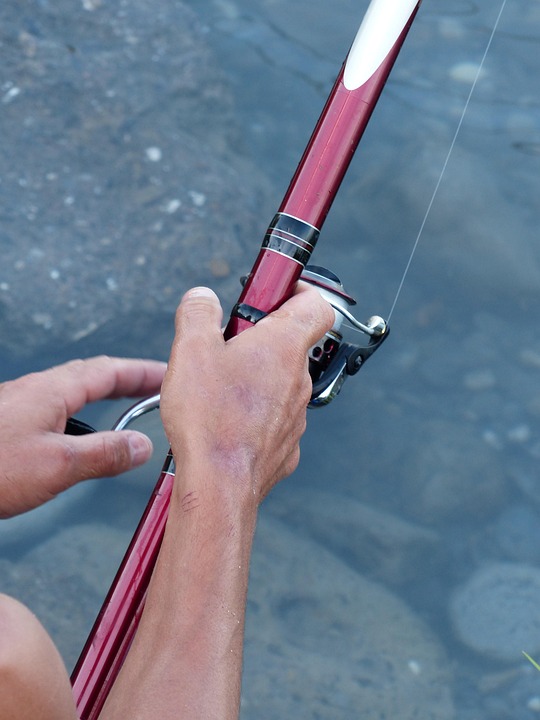
- Fishing Rod: A medium to heavy-duty spinning or baitcasting rod is ideal for managing larger catfish.
- Reel: A quality reel with a strong drag system will help you handle the fight of big cats.
- Line: A braided line rated for at least 30-50 lb test is recommended due to catfish’s sharp teeth and habit of hiding in structures.
- Hooks: Circle hooks in sizes 3/0 to 8/0 are excellent for live or cut bait.
- Weights: The right sinkers, typically sliding or egg sinkers, are essential to keep your bait on the bottom.
- Bait: Catfish are opportunistic feeders. Consider using live bait like shad or worms, or dead bait like cut herring or chicken liver.
Choosing the Right Location
Understanding where to fish is just as important as what to fish with. Catfish prefer to inhabit specific environments:
- Shallow Waters: Flats or areas near structures like fallen trees or rocks during the warmer months.
- Deep Holes: Look for deep channels or holes in rivers, where catfish retreat during summer heat.
- Rivers: Current can influence catfish behavior; focus on eddies and breaks in the current.
- Lakes: Look for structures, drop-offs, or the mouths of tributaries, especially during spawning season.
Best Times to Fish
The time of day and season greatly impact your fishing success. Catfish are typically more active during:
- Evening and Night: They often feed more aggressively in the cooler temperatures of evening and night.
- Weather Changes: Overcast days or before a storm can bring on a feeding frenzy.
- Spawn Season: Late spring through summer is prime time for catching larger specimens as they move to shallower areas to spawn.
Techniques for Catching Catfish
Employing various techniques can diversify your fishing strategy and enhance your catch rates. Here are some popular methods:
- Still Fishing: This method involves placing bait in one spot and waiting for a catfish to bite. It’s effective in areas where catfish are known to roam.
- Drift Fishing: Allow your bait to drift with the current, covering more area. This is especially effective in rivers.
- Catfish Jug Fishing: This method involves using floating jugs to suspend bait at various depths. Check local regulations, as they can vary.
- Bank Fishing: Catfish often feed near the shoreline, making it an effective way to target them without a boat.
Handling and Releasing Catfish
Once you’ve successfully caught a catfish, it’s crucial to handle it appropriately, especially if you plan on releasing it. Follow these guidelines:
- Wet Your Hands: This prevents the fish’s protective slime coating from being removed.
- Use a Landing Net: If possible, use a net to avoid extra stress on the fish.
- Minimize Air Exposure: Get the fish back in the water as quickly as possible to reduce stress and damage.
- Revive the Fish: Hold the fish upright in the water and gently move it back and forth to help it recover before releasing.
Popular Catfish Fishing Destinations
If you’re considering a fishing trip, here are some renowned catfishing spots across the USA:
- The Mississippi River: Known for its large channel and flathead catfish.
- Lake Texoma (Texas/Oklahoma): Famous for its massive blue catfish.
- Ohio River: Offers excellent fishing for both channel and flathead catfish.
- Red River (North Dakota): A prime location for large catfish.
Conclusion
Catfishing can be a thrilling and fulfilling experience for anglers of all skill levels. With the right knowledge, gear, and techniques, you can improve your chances of landing that prized catch. Remember to respect the environment by practicing sustainable fishing, and always adhere to local regulations.
Whether you’re a novice eager to catch your first catfish or a seasoned pro looking for your next big challenge, understanding these fundamentals will enhance your experience on the water. So grab your rod, gather your gear, and head out to discover the rewarding world of catfishing!
FAQs
1. What’s the best bait for catfish?
The best bait can vary based on the species and location, but common choices include stink bait, live bait (like shad and worms), and cut bait (like herring and chicken liver).
2. What time of year is best for catfishing?
Catfishing is great in the summer when they are more active. Late spring and early fall can also be productive, especially during warmer evenings.
3. Do I need a fishing license to catch catfish?
Yes, a fishing license is required in most states. Be sure to check the specific regulations in your fishing area.
4. How can I tell when a catfish is on the line?
Catfish bites can be subtle. Look for a steady pull on the line or a series of quick taps. Watch for your rod tip bending and be ready to set the hook.
5. Are catfish safe to eat?
Yes, catfish are safe to eat. They are considered a tasty freshwater fish, but be sure to follow local health advisories regarding consumption due to possible contaminants.
- advanced catfish fishing
- blue catfish fishing
- catfish angling
- catfish bait
- catfish fishing
- catfish fishing for beginners
- catfish fishing gear
- catfish fishing guides
- catfish fishing reels
- catfish fishing rods
- catfish fishing seasons
- catfish fishing spots
- catfish fishing tactics
- catfish fishing techniques
- catfish fishing tips
- catfish hooks
- catfish rigs
- catfish species
- channel catfish fishing
- cut bait catfish fishing
- deep water catfish fishing
- flathead catfish fishing
- lake catfish fishing
- live bait catfish fishing
- monster catfish fishing
- night catfish fishing
- river catfish fishing
- shallow water catfish fishing
- stink bait catfish fishing
- trophy catfish fishing

















Leave a comment