















Channel catfish (Ictalurus punctatus) are a popular target for anglers due to their accessibility, fighting spirit, and delectable taste. Found in rivers, lakes, and ponds across North America, these fish are not only great fun to catch but also provide a rewarding meal for those who enjoy fresh, homemade cuisine. As with any form of fishing, mastering the art of channel catfish fishing requires knowledge, practice, and the right techniques. This article aims to provide several tips and tricks to help both novice and experienced anglers succeed in their pursuit of this bottom-dwelling fish.
Understanding the Habits of Channel Catfish
Before delving into techniques, it is crucial to understand the behavior and habits of channel catfish:
- Feeding Patterns: Channel catfish are opportunistic feeders. They are most active during dawn and dusk, making them ideal for targeted fishing during these hours. They rely heavily on their keen sense of smell to locate food, often seeking out insects, crustaceans, and small fish.
- Preferred Habitats: Channel catfish thrive in a variety of water bodies, including lakes, rivers, and ponds. They prefer areas with cover such as submerged structures, vegetation, and deeper pools where they can find shelter and hunt for food.
- Temperature Sensitivity: Normally, channel catfish prefer water temperatures ranging from 70 to 80 degrees Fahrenheit (21 to 27 degrees Celsius). In colder weather, their metabolic rate slows down, making them less active.
Essential Gear and Equipment
Setting yourself up for success begins with having the right gear. Here are the essential components every angler should have:
Rod and Reel
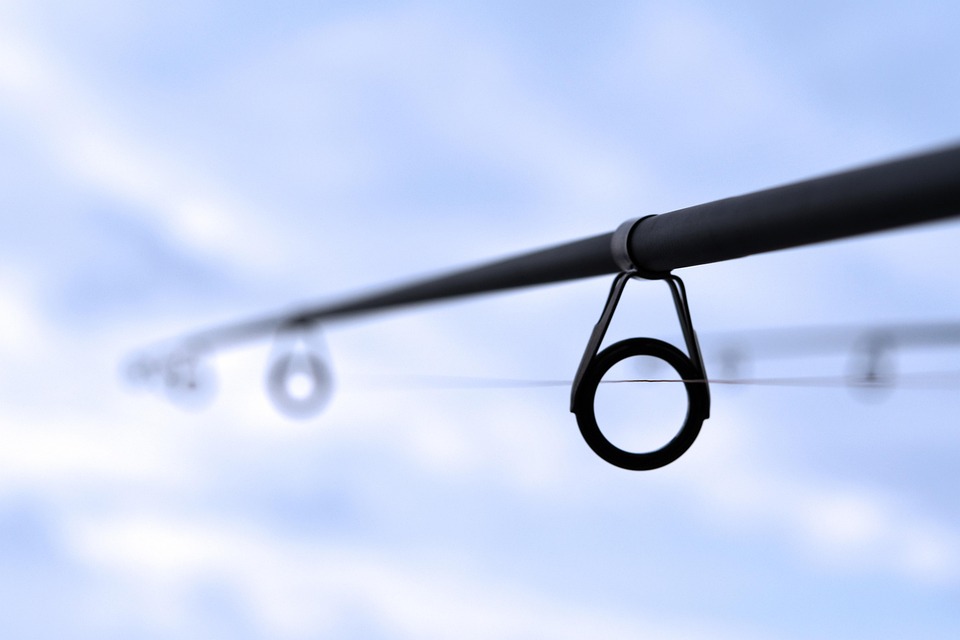
A medium to medium-heavy spinning or baitcasting rod around 6.5 to 8 feet long is recommended for channel catfish fishing. Pair it with a sturdy reel capable of holding at least 200 yards of line.
Fishing Line
Monofilament or braided line with a test strength of 15 to 30 pounds is ideal. Braided line is often preferred for its low visibility and increased sensitivity.
Bait
Channel catfish can be caught using a wide array of baits, including:
- Chicken liver
- Worms
- Stink bait
- Cut bait (like shad or bluegill)
- Live minnows
Hooks and Sinkers
Use circle hooks for better hook sets and to minimize harm to the fish. Size 2/0 to 5/0 works well. As for sinkers, an egg sinker or sliding sinker ensures that the bait can move naturally with the current.
Key Techniques for Catching Channel Catfish
Having the right gear is one part of the equation; knowing how to use it effectively is the other. Here are some techniques to help you catch more channel catfish:
Live Bait vs. Artificial Bait
While channel catfish will bite on artificial lures, live or cut bait tends to be more effective due to their natural scent. Experiment with different types of bait to see what works best in your local waters.
Using the Right Rig
The Carolina Rig is a popular setup for catfish, as it allows the fish to take the bait without feeling the weight of the sinker. A simple rig consists of a sliding sinker, followed by a bead to protect the knot, and then a leader line attached to the hook.
Location, Location, Location
Identify areas where catfish are likely to congregate. Look for deeper water near structures, such as fallen trees or rocky ledges. Fish close to these areas for the best chance of success.
Timing Your Fishing Trip
Plan your fishing trips around peak feeding times like dawn and dusk. During warmer months, mid-afternoon can also be productive, especially in shaded areas or near the bottom.
Keep Noise to a Minimum
Channel catfish are sensitive to vibrations and noise. When approaching a fishing spot, use stealth to avoid spooking them. Maintain a low profile while fishing, and avoid loud conversations or sudden movements.
Preparation and Planning
Preparation is crucial for an enjoyable and successful fishing trip. Here are some aspects to consider:
Local Regulations
Before heading out, familiarize yourself with local fishing regulations concerning season, size limits, and daily bag limits. Ethics in fishing foster sustainability and ensure that others can enjoy the sport as well.
Weather Considerations
Weather plays a significant role in fishing success. Overcast days can make for ideal fishing conditions since catfish often feed more aggressively during lower light conditions. However, avoid fishing right after a heavy rain, as high water levels can displace them.
Practice Catch and Release
Channel catfish are resilient and can survive being caught multiple times. Practicing catch and release not only helps preserve the fish population but can also provide you with better fishing opportunities down the road.
Preparing Your Catch
Once you’ve had a successful day on the water, the real work begins with preparing your catch. Here are some tips:
Cleaning the Fish
Start by keeping your catch on ice until you are ready to clean them. Use a sharp knife to make an incision behind the gills and down to the tail. Remove the entrails and rinse the fish in clean water.
Cooking Techniques
Channel catfish can be prepared in numerous ways, including frying, grilling, or baking. A simple yet delicious method is to coat fillets in cornmeal and fry them until golden brown.
Conclusion
Mastering channel catfish fishing requires more than just the right tackle. Understanding the nature of these fish, mastering effective techniques, and preparing adequately can greatly enhance the chances of success on the water. With patience and practice, every angler can enjoy the thrill of catching channel catfish while also contributing to the aquatic ecosystem’s sustainability through ethical fishing practices.
FAQs
What is the best time of year to fish for channel catfish?
The best time for channel catfish fishing is typically during the warmer months, from late spring to early fall. They are more active as temperatures rise, especially during dawn and dusk.
Can I catch channel catfish during the day?
Yes, channel catfish can be caught during the day, especially in shaded areas or deeper waters. However, your chances of success are generally higher during low-light conditions.
What type of bait works best for channel catfish?
Some of the best baits for channel catfish include chicken liver, worms, stink bait, and cut bait like shad or bluegill. Experimenting with various options is advisable.
Do I need a fishing license to catch channel catfish?
Yes, a fishing license is typically required to fish in public waters. Always check local regulations regarding licensing and fishing rules.
Is it better to fish from the shore or a boat?
Both have their advantages. Fishing from a boat allows broader access to deeper waters, while shore fishing is often easier and less costly. Choose based on your comfort and local fishing conditions.
- advanced catfish fishing
- blue catfish fishing
- catfish angling
- catfish bait
- catfish fishing
- catfish fishing for beginners
- catfish fishing gear
- catfish fishing guides
- catfish fishing reels
- catfish fishing rods
- catfish fishing seasons
- catfish fishing spots
- catfish fishing tactics
- catfish fishing techniques
- catfish fishing tips
- catfish hooks
- catfish rigs
- catfish species
- channel catfish fishing
- cut bait catfish fishing
- deep water catfish fishing
- flathead catfish fishing
- lake catfish fishing
- live bait catfish fishing
- monster catfish fishing
- night catfish fishing
- river catfish fishing
- shallow water catfish fishing
- stink bait catfish fishing
- trophy catfish fishing














Leave a comment