















Bass fishing remains one of America’s favorite pastimes, attracting millions of anglers each year. One of the most effective yet underutilized techniques in the angler’s arsenal is bottom bouncing. This method can significantly increase your chances of landing that elusive trophy bass. In this article, we will explore the nuances of bottom bouncing, including the necessary gear, techniques, and tips for success.
Understanding Bottom Bouncing
Bottom bouncing is a fishing technique employed primarily for targeting bottom-dwelling fish like bass. The method involves allowing your lure or bait to contact the bottom of the water body while maintaining a controlled retrieval speed. By mimicking the natural movements of prey, this technique entices bass to strike.
Why is bottom bouncing particularly effective? Bass are opportunistic feeders often lurking near the bottom, camouflaged among rocks, vegetation, or submerged structures. By presenting your bait at their level, you increase the likelihood of drawing their attention and landing a catch.
Essential Gear for Bottom Bouncing
To effectively bottom bounce, you’ll need some specific gear tailored to this method. Here’s a breakdown:
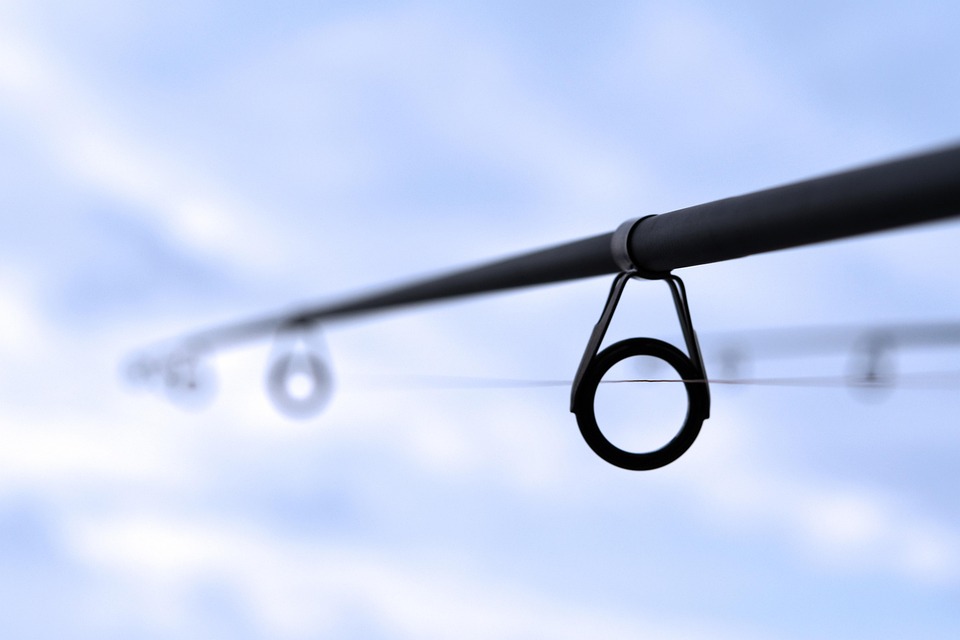
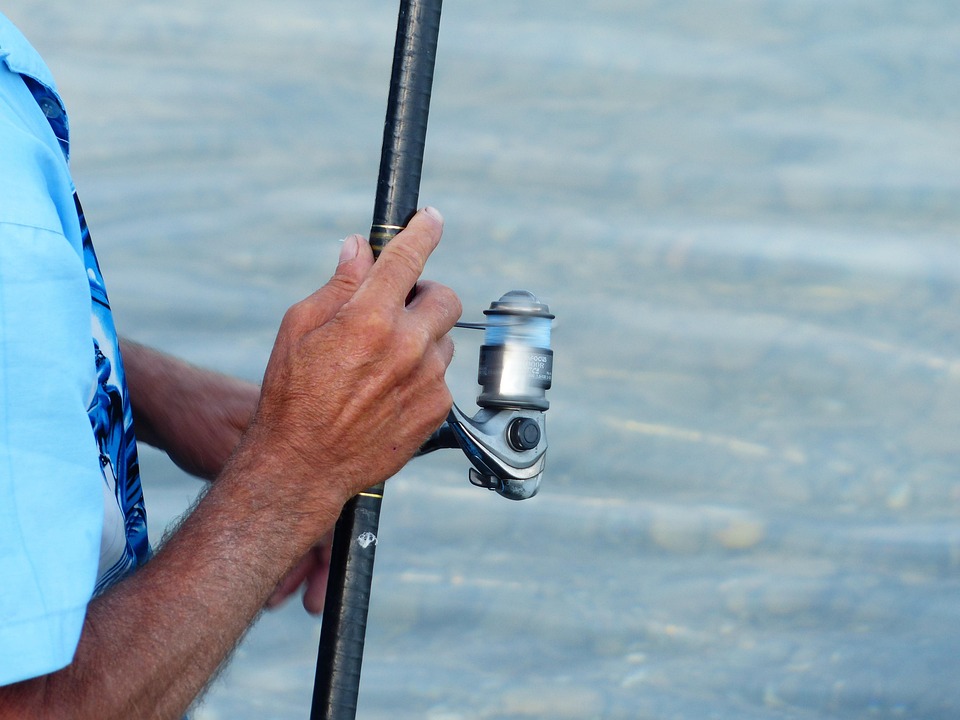
- Rod and Reel: A medium-heavy spinning or baitcasting rod of around 6.5 to 7.5 feet is ideal. Pair that with a reel that has a smooth drag system and a line capacity suitable for your target bass size.
- Line: Use a braided line of 20-30 lb test for sensitivity and strength. A fluorocarbon leader can provide invisibility underwater and enhance the natural action of the bait.
- Baits: Soft plastics (like crawfish or worms), jigs, and live bait (such as minnows or shad) are popular choices. The key is to choose baits that represent local prey.
- Weights: Use a weight that enables your bait to reach the bottom but light enough to keep it from snagging frequently. The weight should be between 1/4 oz to 1 oz, depending on the current and depth.
The Technique: How to Bottom Bounce
Mastering the bottom bouncing technique requires practice and finesse. Here’s a step-by-step guide:
- Identify the Spot: Look for structures like rocks, drop-offs, and weeds where bass are likely to hide.
- Cast Your Line: Use a smooth, overhead cast to land your bait as close to the structure as possible.
- Let It Sink: Allow your bait to sink to the bottom. Keep an eye on your line; if it twitches, you might have a bass striking.
- Feel the Bottom: Retrieve slowly while maintaining contact with the bottom. Use your rod tip to ‘bounce’ the bait off the bottom to simulate natural movement.
- Setting the Hook: Once you feel a bite, set the hook firmly. With bass, a quick upward motion will usually do the trick.
Tips for Enhancing Your Bottom Bouncing Success
- Adjust Your Weight: If you find that you’re snagging too much, try using a lighter weight. Conversely, if your bait is not reaching the bottom, switch to a heavier weight.
- Experiment with Retrieval Speed: Vary your retrieval speed to discover what works best on a given day. Bass can be finicky, and sometimes a subtle change can lead to a successful catch.
- Change Up Your Baits: If you’re not getting bites, don’t hesitate to switch baits. The bass might be more interested in a different color, shape, or size.
- Pay Attention to Weather Conditions: Weather can greatly influence fish behavior. Overcast days might see bass move closer to the shallows, while sunny days may require deeper presentations.
Location, Location, Location: Best Places for Bottom Bouncing
Not every body of water is created equal. When looking to practice bottom bouncing, consider the following locations:
- Lakes: Look for natural features such as submerged rocks, drop-offs, or vegetation.
- Riverside Areas: Current can influence bass movement, making eddies and backwaters prime spots.
- Reservoirs: Focus on dammed areas where changing water levels can create interesting underwater structures.
Challenges and Solutions
Like any fishing technique, bottom bouncing comes with its challenges. Here are some common issues and ways to tackle them:
- Snags: Utilize lighter weights and softer baits to reduce the incidence of snagging. Always be ready to reel in your line to avoid losing your tackle.
- Fish Not Biting: Fresh bait and varied techniques are key. If bass aren’t biting, try changing bait types or moving to a new location.
- Overcrowded Areas: If you find yourself tangled with other anglers, consider visiting lesser-known fishing spots or going out during off-peak hours.
Conclusion
Bottom bouncing is not just a technique; it’s an art form that can transform your bass fishing experience. By understanding the mechanics of this method, utilizing the right gear, and applying the tips outlined in this article, you can significantly enhance your success on the water.
Remember that patience and practice are key. Every fishing trip is an opportunity not just to catch fish, but to learn and refine your skills as an angler. So grab your gear, find that ideal spot, and immerse yourself in the exhilarating world of bass fishing through the bottom bouncing technique!
FAQs
1. What types of baits work best for bottom bouncing?
Soft plastics, jigs, and live bait such as minnows or shad are excellent choices. Make sure to choose baits that mimic local prey.
2. How do I know if I’m fishing the bottom effectively?
You’ll want to feel the weight of your lure tapping the bottom. If you’re frequently snagging or failing to feel any contact, you may need to adjust your weight or retrieval speed.
3. Can bottom bouncing be used in saltwater fishing?
Yes, the technique can be effective in saltwater for targeting various bottom-dwelling species. Just make sure to adjust your gear to account for saltwater conditions.
4. Is there a specific time of year that’s best for bottom bouncing?
While bass can be caught year-round, early spring and late fall are particularly effective times as bass become more aggressive and active in cooler temperatures.
5. What should I do if I catch a fish while bottom bouncing?
Once you hook a fish, reel it in steadily while maintaining tension on the line. Avoid cranking the reel too quickly to prevent breaking the line.
- advanced bass fishing
- bass angling
- bass fishing
- bass fishing baits
- bass fishing destinations
- bass fishing for beginners
- bass fishing guides
- bass fishing lakes
- bass fishing lures
- bass fishing patterns
- bass fishing reels
- bass fishing rigs
- bass fishing rods
- bass fishing seasons
- bass fishing tactics
- bass fishing techniques
- bass fishing tips
- crankbait bass fishing
- deep water bass fishing
- jig bass fishing
- largemouth bass fishing
- reservoir bass fishing
- river bass fishing
- shallow water bass fishing
- smallmouth bass fishing
- soft plastic bass fishing
- spinnerbait bass fishing
- spotted bass fishing
- topwater bass fishing
- tournament bass fishing









Leave a comment