










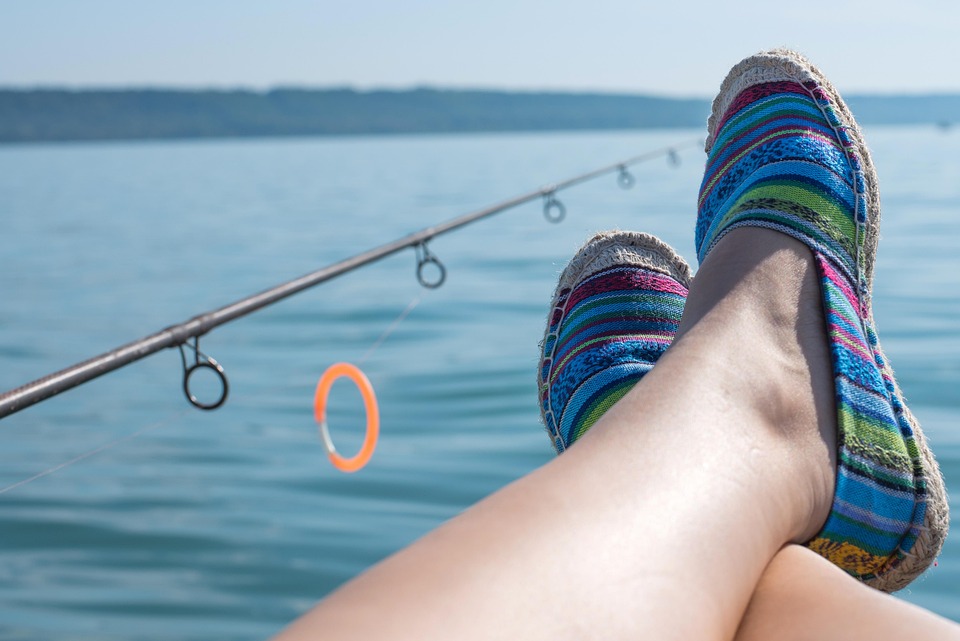


Fishing is more than just a pastime; it’s a way of life for many enthusiasts. Whether you’re casting a line from the shore, in a boat, or fly-fishing in a tranquil stream, success in catching fish often depends on several strategic elements. This article will provide you with expert tricks and timeless tips to enhance your fishing skills, ensuring that each trip is not just a day out, but also a memorable experience filled with thrilling catches and beautiful scenery.
Understanding Your Target Fish
Before you even think about casting your line, it’s crucial to have a deep understanding of the type of fish you are targeting. Different species have different behaviors, habitats, and feeding habits. For instance, if you’re fishing for bass, you should know they love structures like fallen trees, rocks, and weed beds.
Consider doing some research on your selected fish. This may involve understanding their seasonal patterns, the kind of water they prefer, and the types of bait that are most appealing to them. Websites, local fishing forums, and books can be invaluable resources when planning your next fishing trip.
Choosing the Right Gear
Your fishing gear can make or break your catch. Choosing the right rod, reel, line, and bait based on the type of fish you’re after is essential. For example, lighter gear is generally better for smaller fish, while heavier gear is necessary for larger species. Here’s a list of gears tailored to specific fishing scenarios:
- Spin Fishing: Ideal for beginners; choose a light to medium spinning rod and reel.
- Baitcasting: Perfect for more experienced anglers targeting larger fish. A medium to heavy action rod with a sturdy reel is recommended.
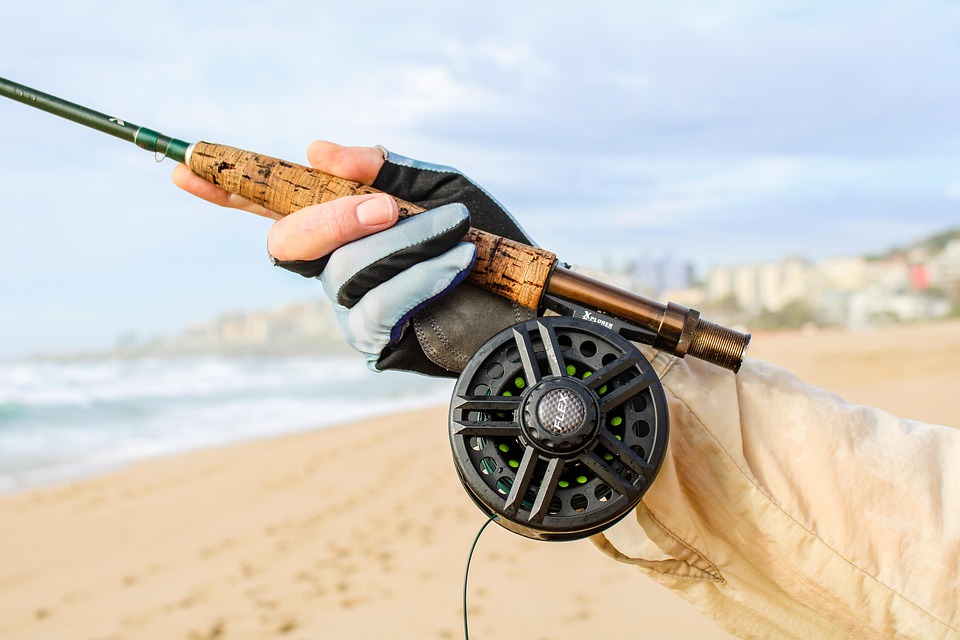
- Fly Fishing: Requires specialized gear; ensure you have proper weight and line type that matches your target fish.
Additionally, do not overlook the importance of fishing line. Monofilament is versatile, while braided line offers higher sensitivity and strength, making it preferable in certain situations.
Mastering Bait and Lures
The choice between live bait and artificial lures can significantly impact your success. Live bait, such as worms or minnows, often proves irresistible to fish, but it can be less convenient to manage. On the other hand, lures mimic the movement of fish prey and can cover more water in a shorter amount of time.
Popular Baits and Lures:
- Worms: Effective for a variety of fish, especially panfish and bass.
- Jigs: Versatile and can be used for various fish species.
- Spinners: Great for attracting predatory fish like trout and bass.
- Topwater Lures: Perfect for exciting surface strikes, particularly in the morning or evening.
In addition to choosing the right type of bait, timing your fishing adventure with the fish’s feeding schedule—typically early morning or late evening—can greatly enhance your chances of a good catch.
Understanding Water Conditions
Fish are highly sensitive to their environment, and changes in water temperature, clarity, and flow can affect their behavior. Warm waters tend to have more active fish, while colder waters may slow them down. It’s beneficial to monitor these conditions:
Key Factors to Consider:
- Water Temperature: Fish tend to be more active in temperatures around 60-75°F.
- Water Clarity: Clear water tends to require stealthier approaches, while murky water allows for a more aggressive fishing strategy.
- Current Flow: Fish often position themselves in current seams; knowing how to read the flow can be advantageous.
Refining Your Casting Technique
Even with the best gear and bait, poor casting can diminish your success rate. Spend time practicing your casting technique. A smooth, controlled cast will often result in more accurate placements. Remember to aim for areas that are likely to hold fish—near cover, underwater structures, and drop-offs.
Tips for Effective Casting:
- Grip: Ensure a firm grip on the rod but don’t squeeze too tight.
- Motion: Use a fluid motion, starting from a lower position and gradually moving upward to launch your line.
- Angle: Angle your cast so that the lure lands quietly on the water’s surface.
Patience and Adaptability
One of the most important, yet often underestimated, skills in fishing is patience. Fish may not always be biting, and it’s crucial to remain calm and not rush the process. Alternatively, you must be adaptable. If a certain spot isn’t yielding results, don’t hesitate to change your location, bait, or technique. Listening to local advice and observing other anglers can provide valuable insights into what might be working at the moment.
Practicing Ethical Fishing
As anglers, it’s our responsibility to ensure we practice ethical fishing. This encompasses respect for fish populations, their habitats, and other anglers sharing the waters. Catch and release strategies can help maintain fish populations, while following local regulations keeps environments sustainable for future generations.
Conclusion
Fishing is an activity rife with both challenges and rewards. By understanding your target fish, investing in the right gear, mastering the nuances of bait and lures, and being mindful of environmental conditions, you significantly enhance your chances of success. Remember, the joy of fishing often comes not just from the catch itself, but the moments spent in nature and the camaraderie built among fellow fishing enthusiasts. So equip yourself with these expert tricks, head to your favorite fishing spot, and reel in your success!
Frequently Asked Questions
1. What is the best time of year to fish?
The best time to fish varies by species, but generally spring and fall offer optimal conditions as fish become more active during these seasons.
2. Do I need a fishing license?
Yes, most locations require a fishing license. Check your local regulations to ensure compliance.
3. What is catch and release fishing?
Catch and release fishing involves catching fish and then returning them to the water, which helps maintain sustainable fish populations.
4. Can I fish in freshwater and saltwater?
Yes, but different gear and techniques are needed for each type of water. Make sure to adjust your approach accordingly.
5. How do I clean and prepare my catch?
Cleaning a fish involves gutting it and removing scales. It’s advisable to use a sharp knife and follow safe cleaning practices.
- fishing bait tips
- fishing gear hacks
- fishing hacks
- fishing knot guides
- fishing knot techniques
- fishing knot tying
- fishing knots
- fishing knots for advanced
- fishing knots for beginners
- fishing leader knots
- fishing line knots
- fishing loop knots
- fishing lure tips
- fishing rig guides
- fishing rig hacks
- fishing rig setups
- fishing rig tips
- fishing rig tricks
- fishing rigs
- fishing strategies
- fishing techniques
- fishing tips
- fishing tips and tricks
- fishing tips for beginners
- fishing tips for experts
- fishing tips for freshwater
- fishing tips for saltwater
- fishing tips online
- fishing tricks
- fishing tricks for better catch










Leave a comment