









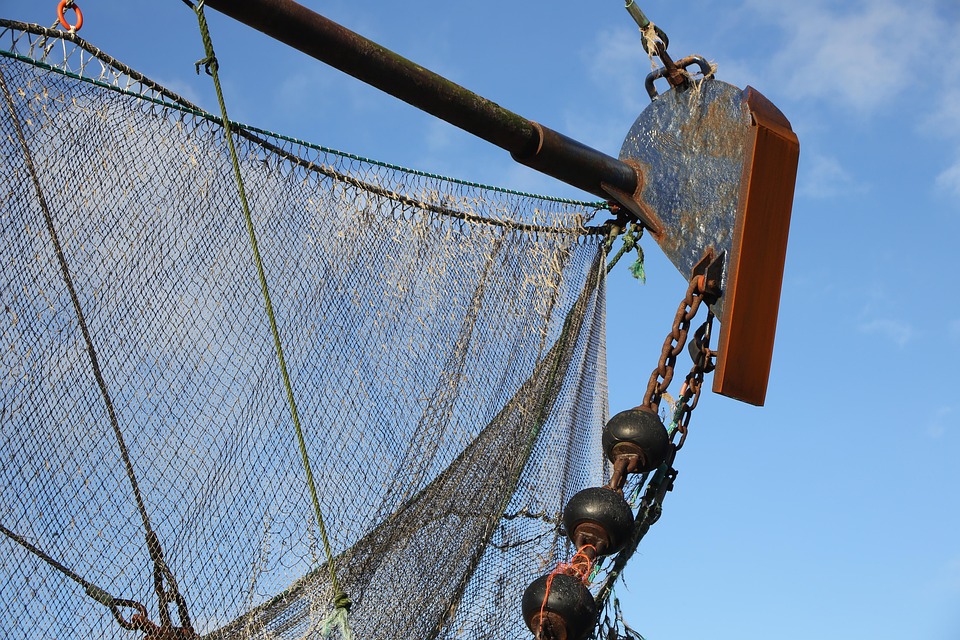
Fishing has evolved from a necessity for sustenance to a cherished pastime connecting individuals with nature. One of its most artistic elements lies in fly selection, where the angler’s choice of fly can drastically influence the day’s catch. This article explores the intricate art of selecting the perfect fly for various fishing adventures, weaving together aspects of skill, knowledge, and intuition.
The Basics of Fly Fishing
At its core, fly fishing hinges on a simple principle: using artificial flies to entice fish. Unlike traditional bait fishing, which relies on actual bait to attract fish, fly fishing employs intricately crafted flies that mimic the insects and small creatures fish naturally feed on. These flies can be categorized into three primary types: dry flies, wet flies, and streamers.
- Dry Flies: These float on the water’s surface and imitate insects that fish surface-feed on, such as mayflies and various terrestrial bugs.
- Wet Flies: These are designed to sink under the water, imitating aquatic larvae or nymphs.
- Streamers: These resemble baitfish and other larger aquatic creatures, encouraging predatory fish to strike.
Understanding Local Ecosystems
The first step in mastering fly selection is understanding the ecosystem where you’ll be fishing. Every body of water has its unique characteristics influenced by local geography, climate, and the existing fish species. Knowledge of local insect life is paramount, as fish primarily feed on these creatures during specific times of the year.
Research Local Insects
Different regions have distinct insect hatches. For instance, in fast-flowing rivers, stoneflies may emerge in spring. In standing waters, chironomids might be prevalent. Anglers should consult local fishing reports, entomology books, or even local fishing shops to gain insights into current insect activity. Internet resources and forums can also be invaluable for real-time updates.
Observe Fish Behavior
Understanding the behavior of the fish species you are targeting is equally important. Are they rising to the surface? Feeding near the bottom? Active or lethargic? Observations of their activity can guide you in selecting the right type of fly. It’s often beneficial to spend some time observing the water before selecting your fly.
The Role of Color and Size
When it comes to fly selection, the size and color of the fly can significantly impact its effectiveness. Fish can be surprisingly picky, especially in heavily fished areas or waters with abundant natural food sources.
Choosing the Right Color
The color of your fly should mimic the natural prey in the area. Brightly colored flies can attract fish in dingy or murky waters, while more subdued colors might work better in clearer waters. For instance, during a caddis hatch, a brown or olive fly may be more effective than a bright pink one. When in doubt, a selection of flies in varying shades, from bright to muted, will increase your chances of success.
Understanding Size
The size of your fly should correlate with the natural prey available to the fish. During certain seasons, fish feed on larger or smaller prey based on what is most available. A general rule of thumb is to start with a fly around the size of the natural insects observed on or in the water.
Seasonal Considerations
The changing seasons play a crucial role in fly selection as fish behaviors shift dramatically with temperature and weather conditions.
Spring
Spring is a prime time for fishing, as fish become more active after winter. This season often sees various hatches. During this time, try using nymphs or emerging flies to catch fish as they feed near the surface.
Summer
Summer brings a range of insect activity. Flies that imitate terrestrial insects, such as grasshoppers and ants, can prove effective during warm weather. Fish may also take advantage of any late afternoon hatches, making it important to stay alert to changing conditions.
Fall
As temperatures drop, fish prepare for winter, resulting in a feeding frenzy. This is an excellent time for streamers that mimic baitfish, as fish bulk up for the cold months ahead.
Winter
Winter fishing can be challenging, but it can also be rewarding. In cold waters, fish tend to slow down, making nymphs or small streamers effective. Focus on deeper waters where fish are more likely to be hiding from the cold.
Techniques for Presentation
Even the best-selected fly can go unused if not presented correctly. Various techniques ensure that your fly mimics natural movement, increasing the likelihood of a strike.
Drift Techniques
In flowing water, allowing your fly to drift naturally with the current is the most effective presentation technique. This can be enhanced with techniques like “mending” the line to ensure natural movement. A well-presented dry fly with the right drift can trick even the most cautious fish.
Strip Techniques
For streamers, stripping the line at varying speeds can imitate distressed baitfish. A quick, erratic retrieve often triggers predation instinct in fish looking for an easy meal.
Building Your Fly Selection
Ultimately, building your fly selection comes down to experience, experimentation, and keen observation. Here are a few tips to curate your fly box:
- Start Simple: Choose a collection of versatile flies in various sizes and colors that match local hatches.
- Adaptability: Be ready to adapt your selection based on on-site observations.
- Pack Extra: Bring a range of patterns to cover unexpected situations and changes in fish behavior.
Conclusion
The art of selecting the perfect fly transcends mere chance; it is a blend of knowledge, observation, and intuition. Each fishing adventure presents a unique narrative that influences your fly choices. By honing your understanding of local ecosystems, paying attention to seasonal changes, and mastering presentation techniques, you enhance your chances of a successful catch. Remember, while the trophy fish may be the goal, the true joy of fishing lies in the myriad experiences along the way.
FAQs
1. How many flies should I take with me on a fishing trip?
It’s advisable to carry a variety of 10-15 flies, covering different styles and sizes, to account for changing conditions and fish preferences.
2. How can I maintain my flies in good condition?
Store flies in a waterproof fly box, keep them out of direct sunlight, and check for any damage after each trip to ensure they are ready for the next adventure.
3. What is the best time of year to start fly fishing?
Spring is typically the best time to start, as fish become more active, and various insect hatches provide ample opportunities.
4. Can I make my own flies?
Absolutely! Fly tying is a rewarding hobby that allows you to create customized flies suited for your local fishing needs.
5. Do I need special gear for fly fishing?
Yes, fly fishing requires specific gear, including a fly rod, reel, line, leader, and tippet, in addition to the flies themselves.
- advanced fly fishing
- bass fly fishing
- dry fly fishing
- fly casting techniques
- fly fishing
- fly fishing destinations
- fly fishing flies
- fly fishing for beginners
- fly fishing gear
- fly fishing guides
- fly fishing reels
- fly fishing rivers
- fly fishing rods
- fly fishing species
- fly fishing techniques
- fly fishing tips
- fly tying
- fly tying patterns
- freshwater fly fishing
- lake fly fishing
- nymph fishing
- river fly fishing
- salmon fly fishing
- saltwater fly fishing
- steelhead fly fishing
- stream fly fishing
- streamer fishing
- trout fly fishing
- wet fly fishing
- worldwide fly fishing











Leave a comment