










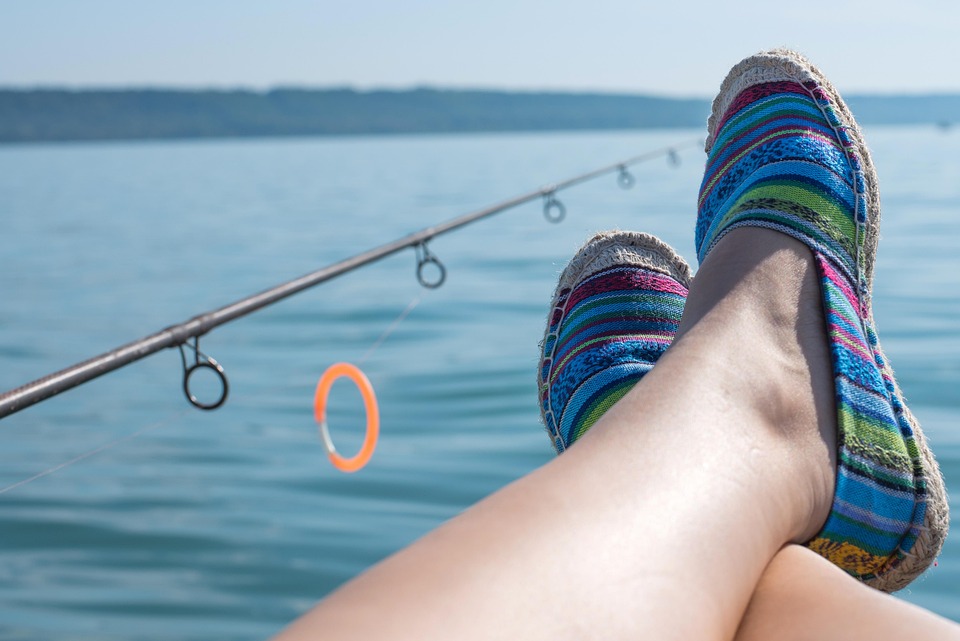


Freshwater fishing is more than just a leisure activity; it’s an intricate dance with nature, a blend of skill, patience, and a keen understanding of the aquatic ecosystem. For both novice anglers and seasoned veterans, freshwater fishing offers the chance to connect deeply with nature while pursuing the thrill of landing that elusive trophy fish. In this comprehensive guide, we delve into essential tricks and techniques that will help you reel in the big one, regardless of experience level or knowledge of local waters.
The Basics of Freshwater Fishing
Before diving into advanced techniques, it’s crucial to grasp the basic components of freshwater fishing. It encompasses fishing in rivers, lakes, and ponds, targeting species such as bass, trout, catfish, and pike. Key areas to focus on include:
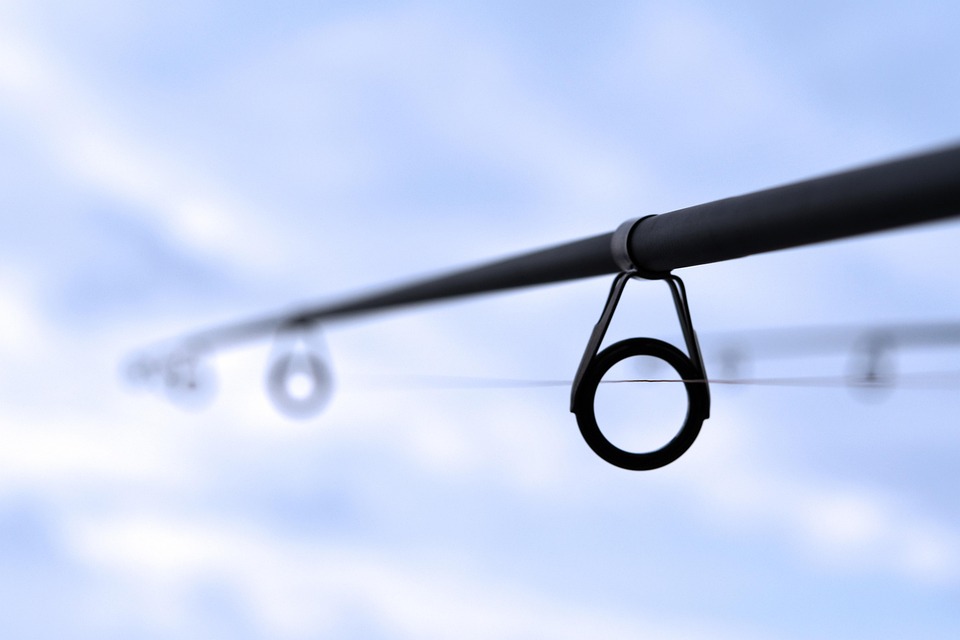
- Rod and Reel Selection: Choosing the right equipment is fundamental. Your rod should match the type of fish you’re targeting and the fishing conditions. Spinning reels are versatile and great for beginners, while baitcasting reels allow for greater precision.
- Line Type: The choice between monofilament, fluorocarbon, and braided lines can affect your catch rate. Monofilament is generally more forgiving, while fluorocarbon is nearly invisible underwater.
- Terminal Tackle: Hooks, sinkers, and swivels come in varying sizes and strengths. Matching them to your target species can significantly influence your success rate.
Understanding Freshwater Fish Behavior
Knowing how different fish species behave in their natural habitat is essential. Temperature, water clarity, and weather conditions all play critical roles in fish activity. Key points to consider include:
- Temperature: Fish are cold-blooded, and their activity levels often decrease as temperatures drop and increase with warming waters. Early mornings and late afternoons are typically prime times for fishing.
- Water Clarity: Clear water can make fish more skittish, while murkier conditions might allow for more aggressive feeding. Understanding these patterns can dictate your fishing strategies.
- Seasonal Patterns: Fish behavior changes with the seasons; for example, in spring, many fish move to spawn, making them more aggressive and easier to catch.
Choosing the Right Bait
Bait selection can mean the difference between a successful fishing trip and going home empty-handed. The choice varies based on the fish species, seasonal changes, and water conditions. Here are some key insights:
Live Bait
Natural live bait, such as worms, minnows, and leeches, can be incredibly effective. They mimic the fish’s natural food sources and attract a wide variety of species. Carrying a selection of live bait can be advantageous.
Artificial Lures
Artificial lures can be enticing and come in various shapes and sizes. Some popular types include:
- Spinnerbaits: These are ideal for covering areas with weeds, and their movement mimics a distressed fish.
- Crankbaits: Designed to imitate baitfish, crankbaits are effective at various depths depending on the design.
- Topwater Lures: Great for summer fishing, these lures create surface commotion that draws fish to strike.
Essential Fishing Techniques
Mastering a few key techniques can enhance your fishing experience. Below, we outline some tailored strategies:
Casting Techniques
Efficient casting is fundamental for reaching the best spots. Utilize a pendulum motion to launch your bait accurately. Practice makes perfect—target specific spots and aim to land your bait quietly to avoid spooking nearby fish.
Drift Fishing
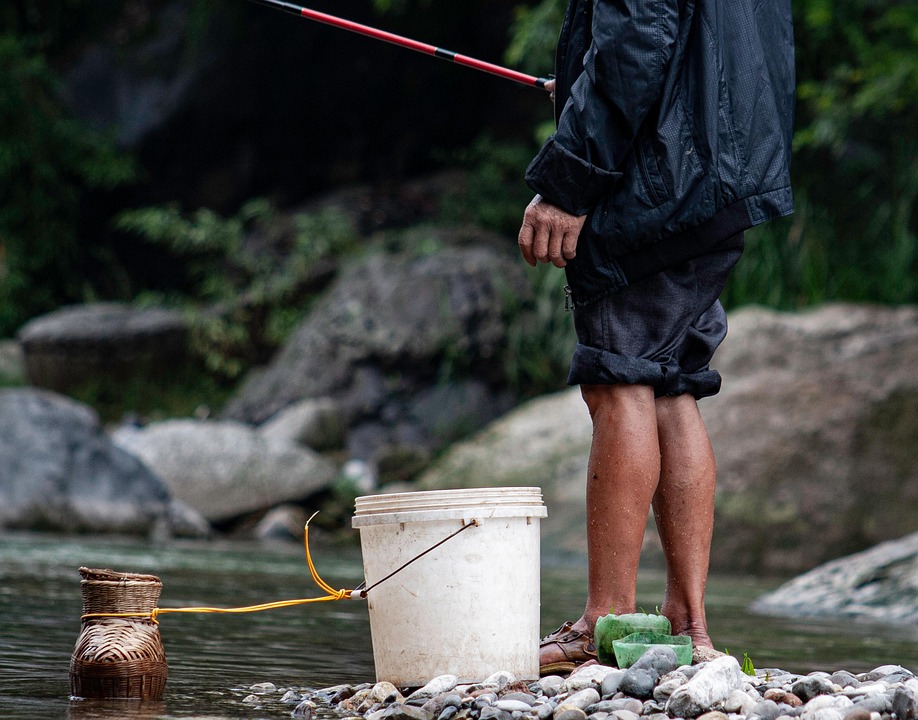
This technique is particularly effective in rivers. Allow your bait to drift naturally with the current, mimicking real prey. Watch for subtle bites and be ready to set the hook quickly.
Jigging
Jigging involves using a weighted hook that you move in a rapid up-and-down motion. This technique is excellent for luring fish that are holding close to the bottom. Pay attention to the feel of the line to catch subtle bites.
Fishing Safety and Conservation
As anglers, it’s our responsibility to ensure that our fishing practices are safe and sustainable. Here are some vital points to consider:
- Follow Local Regulations: Always check local fishing regulations and obtain necessary permits. Limit your catch and respect size and bag limits.
- Practice Catch and Release: This helps maintain fish populations and can ensure future fishing opportunities. If you choose to keep fish, learn proper cleaning and handling techniques.
- Wear Safety Gear: Whether you’re wading into water or navigating a boat, personal flotation devices and suitable clothing are essential for ensuring your safety.
Conclusion
Freshwater fishing is a rewarding pursuit that combines skill, patience, and a deep understanding of the aquatic environment. By mastering the basics of gear selection, understanding fish behavior, choosing the right bait, and employing effective techniques, any angler can increase their chances of reeling in the big one. Remember always to fish responsibly, prioritize safety, and embrace the beauty of nature with every cast. With these essential tips, you are well on your way toward becoming a proficient freshwater angler, ready to tackle the challenges and joys that fishing brings.
FAQs
What is the best time of day to fish for freshwater species?
Typically, the best times to fish are early in the morning and late in the afternoon, when fish are most active due to cooler temperatures and increased feeding opportunities.
What types of freshwater fish are most popular to catch?
Common freshwater species include bass, trout, catfish, pike, and sunfish. Each has its unique characteristics and preferred habitats.
How do I know which fishing spot to choose?
Look for areas with structure, such as rocks, fallen trees, or vegetation. Fish like to hide in these spots, making them ideal locations for casting your line.
Is it necessary to have a fishing license?
Yes, a fishing license is typically required for freshwater fishing in most regions. Be sure to check local regulations to stay compliant.
What is the difference between catch-and-release and catch-and-keep fishing?
Catch-and-release involves returning the fish back to the water after catching it, while catch-and-keep allows an angler to keep their catch for consumption or display.
- fishing bait tips
- fishing gear hacks
- fishing hacks
- fishing knot guides
- fishing knot techniques
- fishing knot tying
- fishing knots
- fishing knots for advanced
- fishing knots for beginners
- fishing leader knots
- fishing line knots
- fishing loop knots
- fishing lure tips
- fishing rig guides
- fishing rig hacks
- fishing rig setups
- fishing rig tips
- fishing rig tricks
- fishing rigs
- fishing strategies
- fishing techniques
- fishing tips
- fishing tips and tricks
- fishing tips for beginners
- fishing tips for experts
- fishing tips for freshwater
- fishing tips for saltwater
- fishing tips online
- fishing tricks
- fishing tricks for better catch











Leave a comment