


















The thrill of catfishing is something that conjures images of peaceful nights by the water, the pull of a hard-fighting fish, and the satisfaction of a successful catch. While many factors go into a successful catfishing expedition—like choosing the right bait, selecting the perfect fishing spot, and understanding the behavior of catfish—one often overlooked but crucial component is the hook. Understanding the different types of catfish hooks, the techniques for using them effectively, and some valuable tips can make all the difference in your angling success.
Types of Catfish Hooks
When it comes to catfish fishing, the type of hook you choose can influence your success on the water. Here’s an overview of the most popular catfish hooks:
1. Circle Hooks
Circle hooks are a favorite among catfish anglers for a reason. They’re designed to catch fish in the corner of the mouth, which reduces the chances of deep hooking and increases the fish’s chance of survival upon release. Their curved shape allows for a self-hooking action, where the fish hooks itself as it swims away with the bait.
2. J-Hooks
J-hooks are traditional and versatile hooks that can be used for various types of fishing. They come in different sizes, making them suitable for targeting both small and large catfish. However, they require more attention as the angler needs to set the hook when a fish bites, making them less forgiving than circle hooks.
3. Treble Hooks
Treble hooks consist of three hooks attached to a single shank, providing a greater chance of securing a fish. They’re often used with larger baits and are helpful when fishing in areas with high catfish populations. However, they can be more challenging to remove from fish, particularly if they get hooked deep.
4. Kahle Hooks
Kahle hooks are somewhat of a hybrid between J-hooks and circle hooks. With an angled point and a wide gap, they provide effective hook-setting capability while reducing the likelihood of deep hooking. They work well with live or cut bait and are favored by many catfish anglers.
5. Bait Holder Hooks
Bait holder hooks are specially designed to hold bait in place. They feature barbs on the shank, which help keep live or cut bait securely attached as you cast. This type is useful for anglers who want to target catfish using various natural baits.
Techniques for Using Catfish Hooks
Now that we’ve covered the types of hooks, let’s explore the techniques for using them effectively. Proper technique is vital to maximizing hook-up rates and ensuring the best chances for a catch.
1. Baiting the Hook
No matter the type of hook you choose, baiting it properly is essential. For live bait, you can insert the hook through the back, just behind the dorsal fin, allowing the bait to swim naturally. For cut bait, ensure you expose enough hook gap to facilitate a solid hookup.
2. Choosing the Right Size
Always match your hook size with the bait and the size of the catfish you’re targeting. Larger catfish require larger hooks, while smaller hooks may be ideal for smaller catfish. The general sizing guideline for catfish hooks is as follows:
- Small Catfish (2-10 lbs): Size 2/0 to 4/0 hooks
- Medium Catfish (10-20 lbs): Size 4/0 to 6/0 hooks
- Large Catfish (20 lbs and up): Size 7/0 and larger hooks
3. Setting the Hook
The technique for setting the hook varies with the type of hook used. For circle hooks, allow the fish to take the bait, and do not set the hook immediately; reel in the slack and let the fish hook itself. For J-hooks, when you detect a bite, you should quickly pull up to set the hook firmly into the fish’s mouth.
4. Using the Right Gear
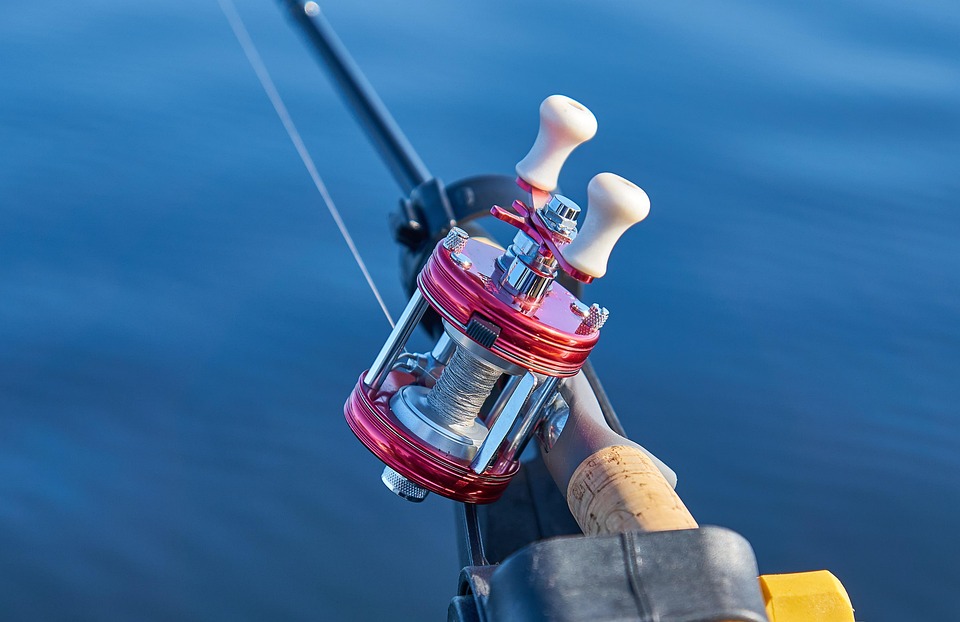
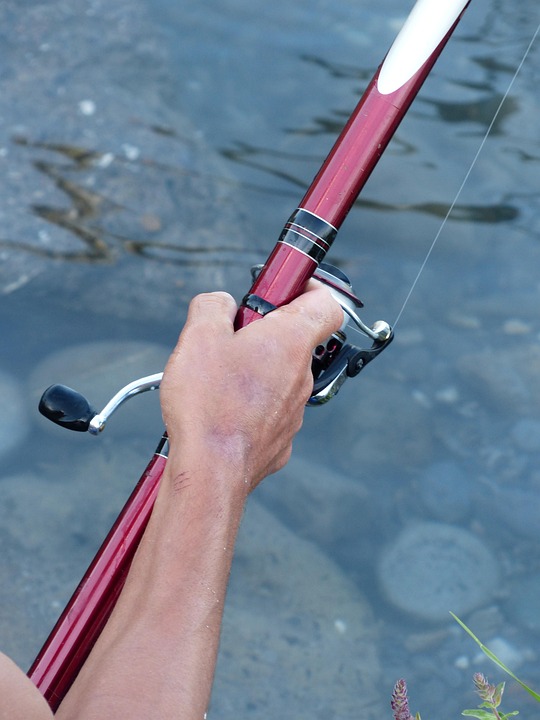
Pairing your hook with the right rod and reel is crucial for successful catfishing. A medium to heavy rod with a matching reel is usually effective for catfishing. Additionally, use a good quality fishing line with adequate strength to handle the weight and fight of catfish.
Tips for Angling Success
Angling success involves more than just choosing the right hook and bait. Here are some additional tips to enhance your catfishing experience:
1. Scout the Water
Understanding the body of water you’re fishing is crucial. Look for structures where catfish might hide, such as submerged rocks, logs, or ledges. Areas with a current can also be productive, as catfish often hang out in eddies and pools.
2. Pay Attention to Timing
Catfish are often more active during low-light conditions, such as early mornings and late evenings. Plan your trips accordingly for the best chances of success. Additionally, during the warmer months, catfish may move to deeper waters during the heat of the day and return to shallower areas in cooler periods.
3. Use Quality Bait
Your choice of bait can make a significant difference in attracting catfish. Popular choices include nightcrawlers, chicken liver, stinky cheese, and various types of cut bait, such as shad or bluegill. Experimenting with different baits can lead to surprising results.
4. Be Patient
Patience is key in catfishing. Once you’ve cast your line, allow time for catfish to locate and take your bait. Avoid unnecessary reeling, as it can scare off potential catches. Enjoy the serenity of the environment and stay alert.
5. Follow Local Regulations
Finally, always be sure to follow local fishing regulations to help preserve fish populations. Know the specific rules regarding catch limits, sizes, and seasonal restrictions in your area.
Conclusion
Mastering the art of catfish fishing starts with understanding the integral role of hooks in your success. By selecting the right type of hook, utilizing effective techniques, and following best practices, you can significantly enhance your chances of landing that trophy catfish. As with any fishing experience, both novice and seasoned anglers can benefit from learning and refining their skills. Whether you prefer the reliable circle hook or the versatility of a J-hook, remember that knowledge combined with practice is the key to becoming a successful catfisher.
FAQs
1. What size hook should I use for catfish?
The recommended hook size varies depending on the size of the catfish you target. For small catfish, use hooks in the 2/0 to 4/0 range. For larger catfish, consider sizes 7/0 or larger.
2. Is live bait more effective than cut bait for catfishing?
Effectiveness can vary based on the fishing environment and the preferences of local catfish. Both live and cut bait can be effective; experimenting with both can yield better results.
3. How do I know when to set the hook?
If you’re using circle hooks, allow the fish to take the bait and then reel in the slack. For J-hooks, quickly pull up when you feel a tug on your line to set the hook.
4. Can I catch catfish in freshwater and saltwater?
Most catfish species thrive in freshwater, but some, like the saltwater catfish (Ariidae), can be found in coastal estuaries and mangrove areas.
5. Do catfish bite during the day or only at night?
Catfish are generally more active during low-light conditions like dawn and dusk, but they can still be caught during the day, especially in deeper waters or shaded areas.
- advanced catfish fishing
- blue catfish fishing
- catfish angling
- catfish bait
- catfish fishing
- catfish fishing for beginners
- catfish fishing gear
- catfish fishing guides
- catfish fishing reels
- catfish fishing rods
- catfish fishing seasons
- catfish fishing spots
- catfish fishing tactics
- catfish fishing techniques
- catfish fishing tips
- catfish hooks
- catfish rigs
- catfish species
- channel catfish fishing
- cut bait catfish fishing
- deep water catfish fishing
- flathead catfish fishing
- lake catfish fishing
- live bait catfish fishing
- monster catfish fishing
- night catfish fishing
- river catfish fishing
- shallow water catfish fishing
- stink bait catfish fishing
- trophy catfish fishing















Leave a comment