

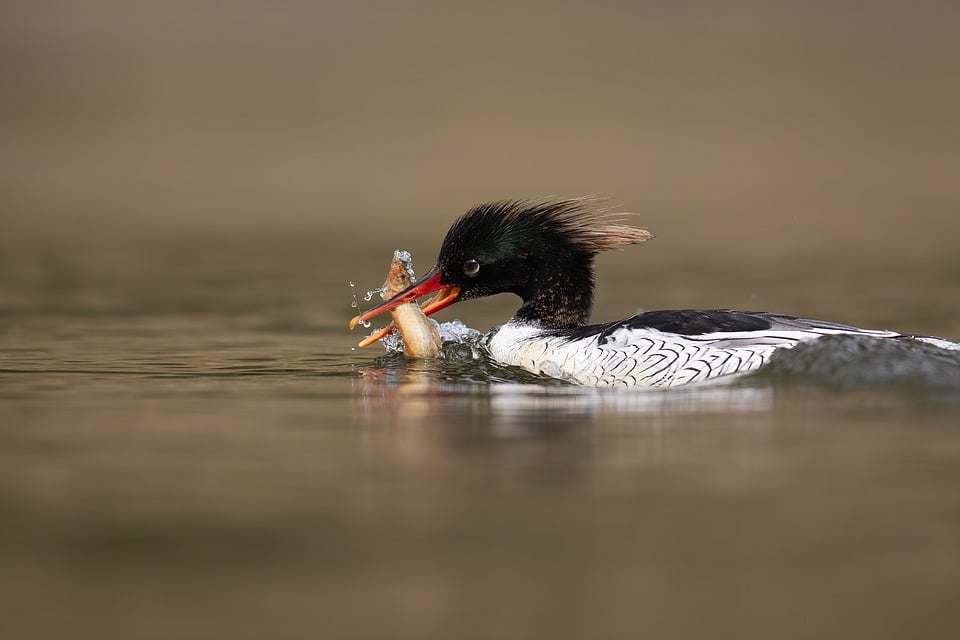








Known as the “fish of 10,000 casts,” the muskellunge, or muskie, is one of North America’s most sought-after sport fish. These apex predators, characterized by their long, streamlined bodies and sharp teeth, provide both a challenge and thrill for anglers. Whether you’re a seasoned veteran or a novice just dipping your toes into the world of muskie fishing, mastering the techniques and knowledge necessary to land one of these elusive fish is key. In this feature article, we will delve into tips and tricks for successfully catching muskie all season long, including understanding their behavior, choosing the right gear, and mastering various fishing techniques.
Understanding Muskie Behavior
Before casting your line, it’s essential to understand the behavior and habitat of muskies. These fish are opportunistic feeders, often lying in wait near structures that provide cover. They are most active during low light periods—dawn and dusk—which are prime times for fishing. During warmer months, muskies prefer shallower waters, while they tend to retreat to deeper areas as the temperature drops in fall. Furthermore, seasonal changes greatly affect their activity. Understanding these patterns is crucial for increasing your chances of a successful catch.
Seasonal Patterns
- Spring: As the water warms, muskies move to shallower areas to spawn. Post-spawn, they are aggressive and actively feeding.
- Summer: Muskies are found in deeper waters during the hottest part of the day but can be caught in shallower areas during early mornings and late evenings.
- Fall: This is often considered the best time for muskie fishing. As water temperatures cool, muskies become very active and feed heavily to prepare for winter.
- Winter: Though rare, some anglers do fish for muskies through the ice; however, it generally requires a solid understanding of their winter behavior.
Selecting the Right Gear
Your choice of gear is vital when it comes to muskie fishing. These strong fish require sturdy tackle—using underpowered equipment can result in lost fish and tackle. Here are some key components to consider:
Rods
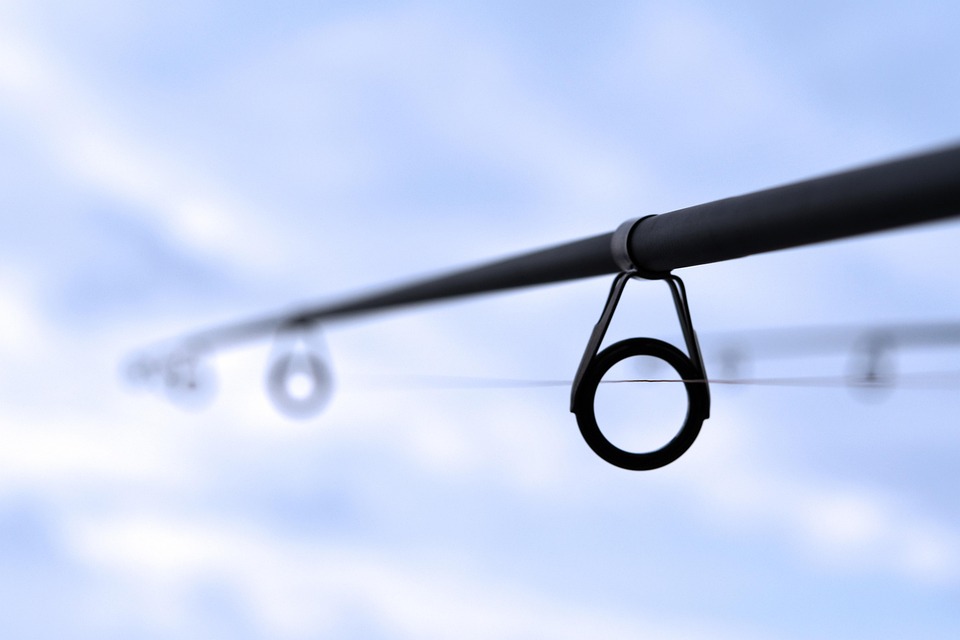
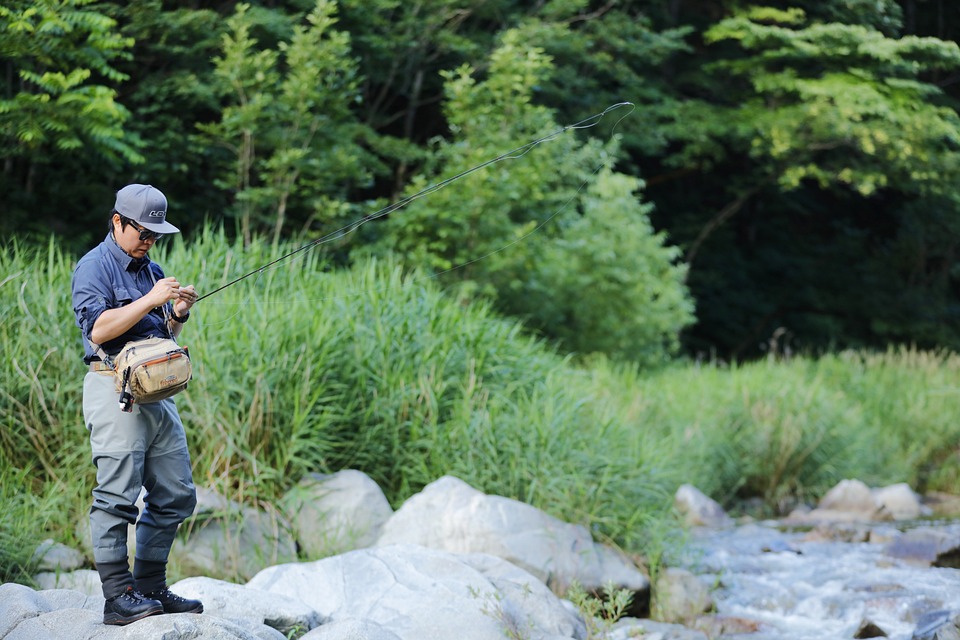
Choose a rod designed for muskie fishing, typically ranging from 7 to 9 feet in length. A heavy-action rod is necessary to handle the larger lures and the strength of these fish.
Reels
Opt for a high-quality, low-profile reel with a strong drag system. Baitcasting reels are often preferred due to their precision and ability to handle heavier lines.
Lines
Monofilament or braided lines in the 80-150 lb test range are ideal, as they provide the strength needed to handle a muskie. Fluorocarbon leaders are recommended for their invisibility underwater and abrasion resistance.
Hooks and Lures
When it comes to lures, muskies can be particularly finicky. Popular options include:
- Topwater Lures: Create surface commotion to attract muskies during early morning or late evenings.
- Crankbaits: Effective for reaching varying depths, often mimicking prey.
- Spinnerbaits: Versatile lures that can be effective in various conditions.
- Big Eddies and Muskie Sucker Baits: Commonly used live bait to entice muskie.
Techniques for Success
Cast and Retrieve
One of the most effective fishing techniques for landing a muskie is the cast and retrieve method. Cast your lure near structure, then retrieve it in a steady motion to create a realistic bait profile. Vary your retrieval speed to see what works on that particular day.
Persistent Fishing
Fishing for muskies often requires persistence. Don’t be discouraged after short trips; committing to longer outings increases your chances. Much of muskie fishing involves waiting for the right moment, so patience is key.
Utilize Technology
Modern technology can greatly aid muskie anglers. Fish finders can identify underwater structures and even show the presence of fish. Additionally, mapping apps help in finding new bodies of water and big muskie areas.
Preparing for Catch and Release
Muskies are often caught, tagged, and released, making it essential for anglers to know proper handling techniques to ensure fish survive after release. Here are some tips:
- Use a Net: A rubber landing net is preferred to reduce harm to the fish’s skin.
- Keep them in Water: To maneuver them for a quick photo, keep them in the water as much as possible.
- Minimize Air Exposure: Limit the time the fish is out of water and avoid touchpoints that can remove protective mucus layers.
Conclusion
Muskie fishing embodies the thrill of the chase and the satisfaction of outsmarting one of nature’s most cunning predators. For anglers willing to invest time and effort into understanding their behavior, proper gear selection, and efficient techniques, the reward can be immensely gratifying. Whether pursuing muskies during long summer evenings or crisp fall mornings, the experience is truly unmatched. Remember to practice ethical fishing, promoting catch and release to ensure these majestic fish remain a part of our waterways for generations to come.
FAQs
A: Fall is often considered the best time for muskie fishing, but they are also active during the spring post-spawn and during low light conditions in summer.
A: Lures ranging from 6 to 12 inches are common, with larger lures usually being more successful in attracting bigger muskies.
A: Focus on understanding their seasonal behavior, use appropriate tackle and techniques, and scout areas known for holding muskie.
A: Yes, catch and release is encouraged to help maintain muskies in local waters. Just ensure you handle them properly to minimize stress and injury.
- advanced predator fishing
- aggressive fish fishing
- barracuda fishing
- barracuda lure fishing
- freshwater predator fishing
- large predator fishing
- muskie fishing
- muskie lure fishing
- pike fishing
- pike lure fishing
- predator angling
- predator fishing
- predator fishing baits
- predator fishing destinations
- predator fishing for beginners
- predator fishing gear
- predator fishing guides
- predator fishing lures
- predator fishing reels
- predator fishing rigs
- predator fishing rods
- predator fishing seasons
- predator fishing spots
- predator fishing tactics
- predator fishing techniques
- predator fishing tips
- predatory fish fishing
- saltwater predator fishing
- zander fishing
- zander jigging








Leave a comment