








Deep sea fishing offers adventure, relaxation, and the thrill of landing some of the biggest fish in the ocean. This guide delves into the various techniques, equipment, and strategies that anyone, from novice to expert anglers, can employ to maximize their success in these expansive aquatic territories.
Understanding Deep Sea Fishing
Deep sea fishing generally refers to fishing in ocean waters deeper than approximately 100 feet. This environment differs significantly from freshwater and shoreline fishing, making specialized techniques and equipment necessary.
Deep sea fishing can yield various species, including tuna, swordfish, and sharks, among others. These fish are not just challenging to catch; they also offer an exciting experience and a great meal for those lucky enough to haul in a big one.
The Essential Gear
When it comes to deep sea fishing, having the right gear is paramount. Here’s a breakdown of essential equipment:
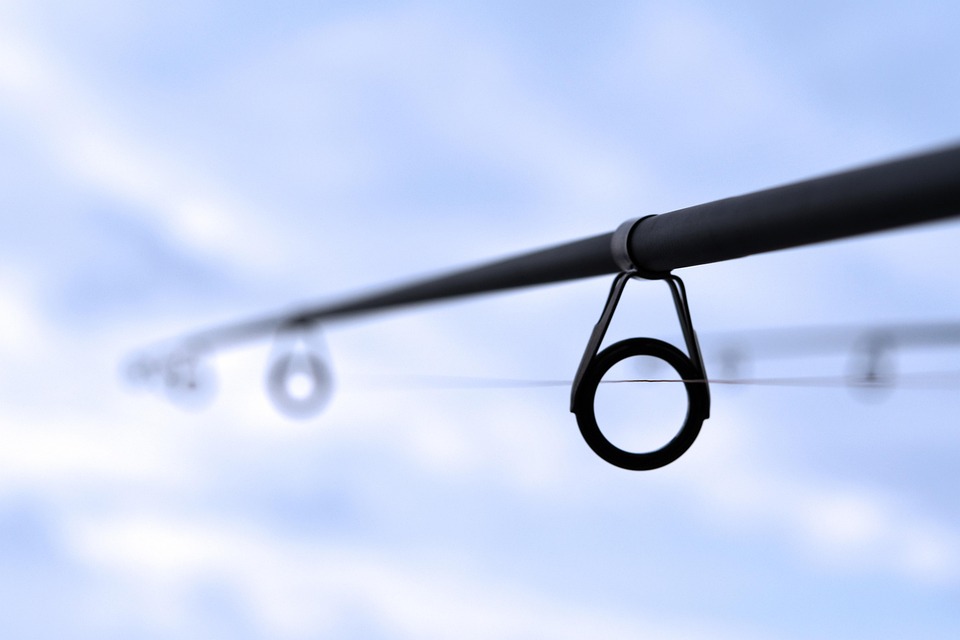
- Rod and Reel: Heavy-duty rods are required to withstand the strength of deep sea fish. Conventional reels or trolling reels are best suited due to their durability and capacity.
- Line: Use a braided line or monofilament line with a test strength of at least 50 lbs to handle the fight of larger species.
- Baits and Lures: Live baits, such as mackerel and squid, can be effective, as well as artificial lures designed for deep water.
- Safety Equipment: Always have life jackets, first aid kits, and signaling devices to ensure safety on the open water.
- Electronics: Fish finders, GPS, and marine radios are vital for navigation and locating fish-rich areas.
Techniques for Deep Sea Fishing
Mastering various techniques can significantly improve your odds of success when deep sea fishing. Here are some popular techniques:
1. Trolling
Trolling involves moving a baited line through the water behind a boat. This method allows anglers to cover vast areas and attract pelagic fish like tuna and marlin. Use multiple lines at different depths to increase chances of a catch.
2. Bottom Fishing
This technique targets fish that dwell on or near the ocean floor, such as grouper and snapper. Use heavier weights to keep bait near the bottom and ensure you are in the strike zone.
3. Drift Fishing
Drifting is an organic method, using the current to carry your boat over potential fishing grounds. This technique allows for a more natural presentation of the bait and can attract various species.
4. Live Bait Fishing
Using live bait increases the chances of attracting larger fish. Sail out with a cast net to catch appropriate baitfish or purchase them beforehand. Ensure the bait is lively, as it will attract predators effectively.
5. Chunking
This method involves cutting large chunks of bait and tossing them into the water to create a scent trail. It can be used as a standalone strategy or in conjunction with live bait fishing.
Choosing the Right Time
The time of day, season, and even tidal patterns can significantly influence fishing success.
- Time of Day: Early morning and late evening are often the best times to fish, as many species are more active during these hours.
- Seasons: Different fish are available in different seasons. Research seasonal patterns for the species you are targeting.
- Tides: Incoming tides generally prompt fish to feed, while outgoing tides may push fish into deeper water.
Where to Find Fish
Understanding fish habitats is essential for success. Here are some key locations to consider:
- Reefs: Coral and artificial reefs attract various fish species.
- Shipwrecks: These structures are often teeming with life and can be hotspots for anglers.
- Underwater Mountains: These underwater features can create upwellings rich in nutrients, attracting baitfish and larger predators.
- Drop-Offs: The edges of continental shelves often yield great catches as currents push baitfish into these areas.
Conservation Practices
As anglers enjoy the sport, it’s crucial to practice sustainable fishing techniques to preserve marine ecosystems:
- Catch and Release: When targeting species with conservation concerns, practice catch and release to allow populations to recover.
- Follow Regulations: Adhere to local fishing regulations regarding size limits, closed seasons, and allowable species.
- Avoid Overfishing: Be aware of the ecological balance and avoid fishing in overfished areas.
Conclusion
Deep sea fishing offers a unique combination of adventure, skill, and respect for nature. While mastering the techniques and equipment may take time, the joy of reeling in a big catch makes the effort worthwhile. By understanding depths, techniques, and sustainable practices, anglers can contribute to the conservation of our oceans while enjoying one of nature’s greatest resources. Whether you set out as a recreational angler or an experienced fisherman, the thrill of deep sea fishing is unlike any other.
FAQs
1. What is the best time of year for deep sea fishing?
The best time varies by species and location, but generally, spring and summer offer the best conditions and variety of fish.
2. Do I need a fishing license for deep sea fishing?
Yes, most jurisdictions require a fishing license, particularly for saltwater fishing. Check local regulations before heading out.
3. What is the average cost of a deep sea fishing charter?
Charter costs can range from $500 to over $2,000 depending on the duration, type of boat, and location.
4. Can I go deep sea fishing without prior experience?
Yes, many charters offer guided services, providing all necessary equipment and experience to help you succeed.
5. What safety measures should I take when deep sea fishing?
Ensure you wear life jackets, keep a first-aid kit on board, and check weather conditions before setting out.
- advanced fishing techniques
- artificial bait fishing
- bait fishing
- boat fishing methods
- casting fishing
- deep sea fishing techniques
- drift fishing
- fishing knots techniques
- fishing methods
- fishing methods for beginners
- fishing rigs methods
- fishing strategy tips
- fishing techniques
- fly fishing techniques
- freshwater fishing techniques
- inshore trolling
- jigging fishing
- live bait fishing
- lure fishing methods
- modern fishing techniques
- offshore trolling
- popping fishing
- professional fishing methods
- saltwater fishing techniques
- shore fishing methods
- slow jigging
- spinning fishing
- topwater popping
- trolling fishing
- vertical jigging










Leave a comment