







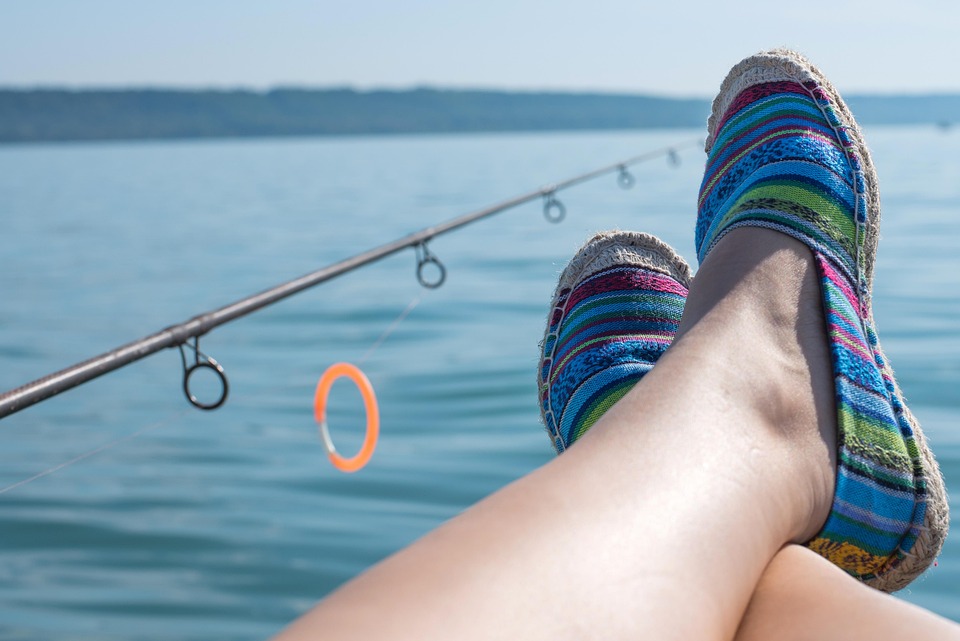


Fishing is a beloved pastime for many, offering both tranquility and thrill, and perhaps a fresh catch for dinner. While often assumed to be a warm-weather activity, fishing can be pursued year-round with the right knowledge and preparation. This guide aims to equip beginners with the insights, tips, and techniques necessary to enjoy fishing in every season, transforming fishing into an all-year-round passion.
Understanding Seasonal Fish Behavior
Fish, much like humans, are influenced by seasonal changes. Their behavior varies with temperature, water levels, and food availability. Here’s a breakdown of what to expect during each season.
Spring: Awakening Waters
Spring marks a season of awakening as waters warm up, leading to increased fish activity. As ice melts and temperatures rise, fish migrate to shallower waters to spawn.
- Species to Target: Bass, Trout, and Catfish.
- Best Techniques: Spinnerbaits, jigs, and live bait such as worms are effective.
- Best Locations: Look for spawning areas near rocky or vegetated banks.
Summer: The Heat is On
During the summer, fish tend to seek cooler waters. Early mornings and late evenings are prime fishing times as fish are more active in the shallows.
- Species to Target: Pike, Crappie, and Sunfish.
- Best Techniques: Topwater lures and crankbaits work wonders.
- Best Locations: Fish near structures like fallen trees or weed beds.
Fall: The Feeding Frenzy
As temperatures drop, fish begin to feed aggressively to bulk up for winter. This is often considered the best time for anglers to catch large fish.
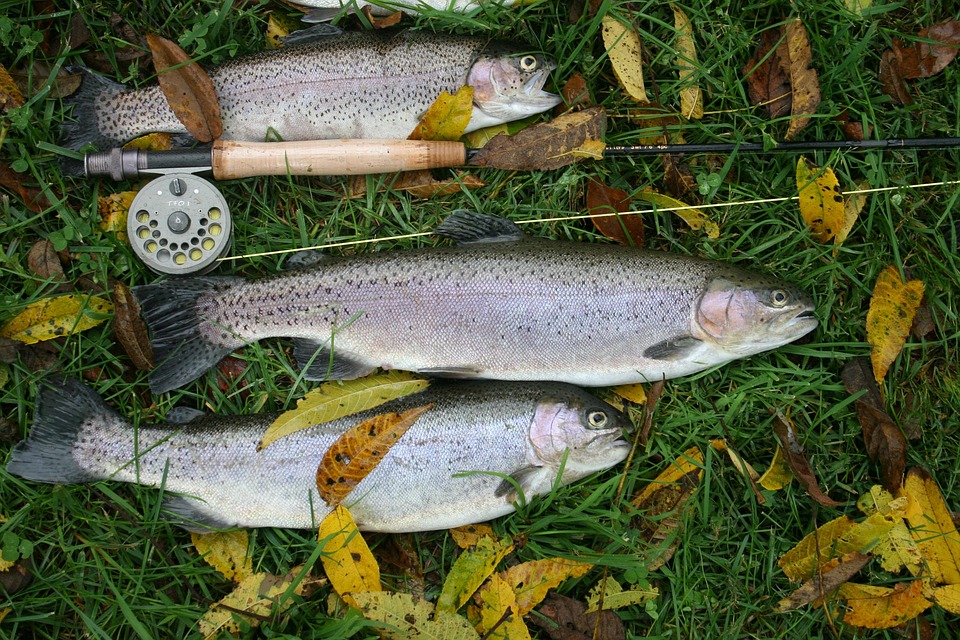
- Species to Target: Walleye, Salmon, and Trout.
- Best Techniques: Trolling and using spoons or plug baits.
- Best Locations: Inlets and areas around spawning grounds.
Winter: The Cold Challenge
Winter fishing requires special techniques, often including ice fishing methods. Fish metabolism slows down, so patience is key.
- Species to Target: Trout, Northern Pike, and Perch.
- Best Techniques: Use small jigs and tip-ups with live bait.
- Best Locations: Look for deep holes and structure under the ice.
Essential Gear and Preparation
To be successful year-round, it’s crucial to have the right gear tailored to each season. Here are essential items to consider:
- Rod and Reel: A versatile rod can accommodate various species. Consider a spinning reel for beginner ease of use.
- Line: Choose the proper line weight and type—braided lines for durability and monofilament for flexibility.
- Terminal Tackle: Ensure you have a selection of hooks, sinkers, and floats suitable for year-round conditions.
- Bait: Live bait (like worms or minnows), artificial lures, and jigs tailored to different seasonal preferences.
- Safety Gear: Always have safety equipment; a life jacket is essential for boating, while insulated gear is crucial for winter fishing.
Understanding Local Regulations
Before heading out, familiarize yourself with local fishing regulations, which can vary widely. This includes:
- Licenses: Ensure you have the appropriate fishing licenses.
- Seasonal Restrictions: Some species have specific seasons and size limits.
- Protected Areas: Be aware of conservation areas where fishing may not be permitted.
Finding Fishing Locations
Investigating local water bodies is vital for successful fishing. Here are some resources:
- Local Fishing Reports: Many states provide reports on local fishing conditions, species availability, and water temperatures.
- Online Forums and Communities: Engaging with local anglers online can provide insights on lesser-known spots.
- GPS and Maps: Utilize tools like Google Maps to scout out locations, identifying boat ramps, and points of interest.
Techniques for Success: Casting and Beyond
Mastering fishing techniques will significantly improve your success. Here are foundational techniques every beginner should practice:
- Cast and Retrieve: Practice your casting technique in open areas to mimic natural bait movement.
- Jigging: This technique is often effective across seasons. Drop the lure and lift it abruptly, simulating a wounded fish.
- Trolling: For beginners, trolling allows you to cover more water while your bait is in motion.
- Ice Fishing Techniques: In winter, drill holes, set up tip-ups and be prepared for a slower bite.
Conclusion
Fishing, when approached with patience and a love for nature, can be a fulfilling year-round adventure. By understanding the seasonal behavior of fish, adapting your gear and techniques, and respecting local regulations, you can make the most out of any fishing trip, whether in warmth or chill. Remember, fishing is about the experience as much as the catch, so embrace the journey, learn from every outing, and appreciate the beauty of the waters through the changing seasons.
FAQs
1. What is the best time of day to fish?
Early mornings and late afternoons are typically considered the best times to fish as fish are more active during these periods.
2. Do I need a fishing license?
Yes, most regions require a fishing license, and it’s important to check local regulations before fishing.
3. What’s the best bait for beginners?
Worms and minnows are great live baits for beginners. For lures, soft plastics and crankbaits are user-friendly and effective.
4. Is ice fishing safe?
Ice fishing can be safe if proper precautions are taken. Ensure the ice is at least 4 inches thick and always inform someone of your whereabouts.
5. How can I learn more about fishing?
Joining local fishing clubs, watching tutorials online, and engaging with experienced anglers can enhance your fishing knowledge and skills.
- bait fishing seasons
- bass fishing seasons
- best fishing times
- bluegill fishing seasons
- carp fishing seasons
- catfish fishing seasons
- crappie fishing seasons
- fishing seasons
- fly fishing seasons
- inshore fishing seasons
- jigging seasons
- marlin fishing seasons
- muskie fishing seasons
- offshore fishing seasons
- panfish fishing seasons
- pike fishing seasons
- popping seasons
- sailfish fishing seasons
- salmon fishing seasons
- seasonal fishing for beginners
- seasonal fishing guides
- seasonal fishing guides worldwide
- seasonal fishing strategies
- seasonal fishing tips
- shark fishing seasons
- spinning fishing seasons
- trolling seasons
- trout fishing seasons
- tuna fishing seasons
- walleye fishing seasons
- zander fishing seasons











Leave a comment